Quick Summary
Solar powering your home is simpler and more affordable than ever. This guide explains how home solar systems work, their costs, and the potential savings available through incentives and net metering. Learn the steps, benefits, and key decisions to switch to clean, renewable energy confidently.
Switching to solar power for your home is one of the smartest moves toward renewable energy for homes and long-term savings. By installing a home solar energy system, you can generate clean electricity, reduce monthly bills, and even sell extra power back to the grid through net metering.
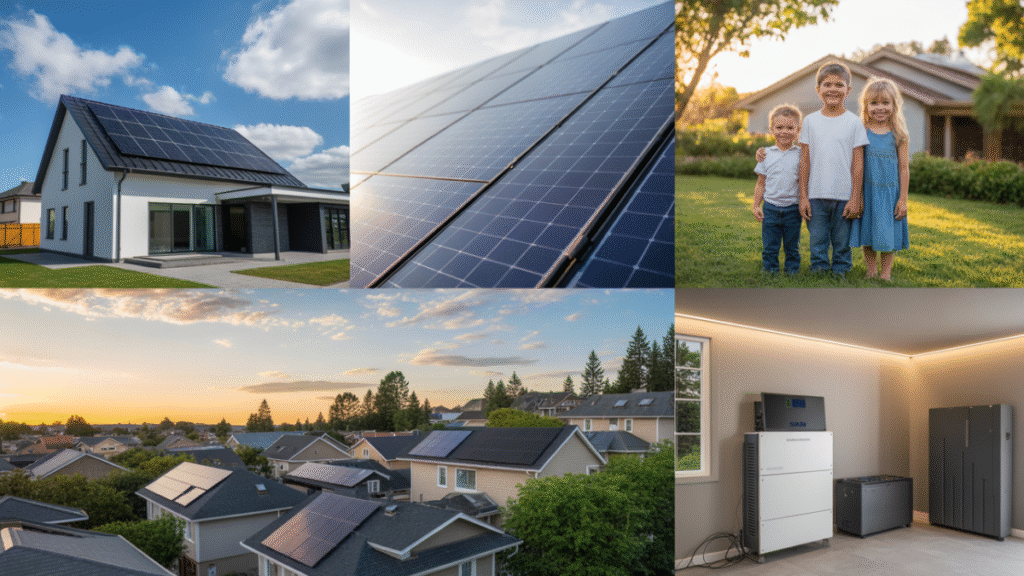
Modern residential solar panels are more efficient and affordable than ever, offering U.S. homeowners a reliable path to energy independence. Whether you plan to buy, lease, or finance through property-assessed clean energy (PACE) financing, solar technology offers a lasting solution for sustainable living. Solar powering your home helps you cut long-term electricity costs while reducing carbon emissions.
This complete guide explains everything — from how solar works to real-world savings — to help you confidently make the switch to clean, renewable power.For a complete guide to solar energy for homes, including benefits, resources, and installation tips, check out our Complete Guide to Solar Energy for Homes.
Understanding How Solar Power Works
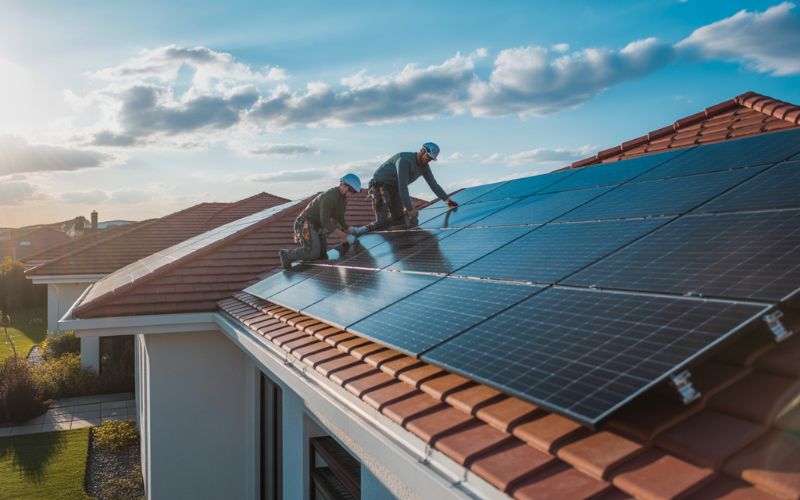
A solar photovoltaic system (PV system) captures sunlight and converts it into usable electricity for your home. When sunlight hits residential solar panels, tiny semiconductor cells generate a flow of direct current (DC) electricity. This DC power is then converted into alternating current (AC) by a solar inverter, making it suitable for home appliances.
In the United States, most homeowners use a grid-tied solar system, which connects their panels to the public power grid. This setup allows you to pull electricity when the sun isn’t shining and send excess energy back through net metering, reducing your utility bills. According to the U.S. Department of Energy (energy.gov), modern systems achieve conversion efficiencies between 15%–22%, making solar energy for homes a practical step toward sustainability. Many homeowners choose solar power for their homes as a practical step toward energy independence and budget control.
Is Solar Power Right for Your Home?
Before purchasing solar panels, it’s essential to assess the suitability of your property. Factors such as roof sunlight exposure, roof condition and direction, and average annual sunlight hours directly affect your system’s performance. Homes in states such as California, Arizona, and Texas often receive ample sunlight, while northern regions may produce less electricity.
You should also check your utility company’s solar policy and state-specific solar incentives. Many utilities offer renewable energy certificates (RECs) or compensation through net metering. The Department of Energy solar calculator is a reliable tool to estimate energy potential and long-term solar energy savings. If your home has high electricity bills or if high utility bills are a concern, solar powering your home can significantly reduce monthly expenses. You’ll likely benefit from a home solar energy system. Many homeowners are part of a national shift toward cleaner power, with more people moving from coal to solar energy for long-term savings.
Components of a Home Solar Power System
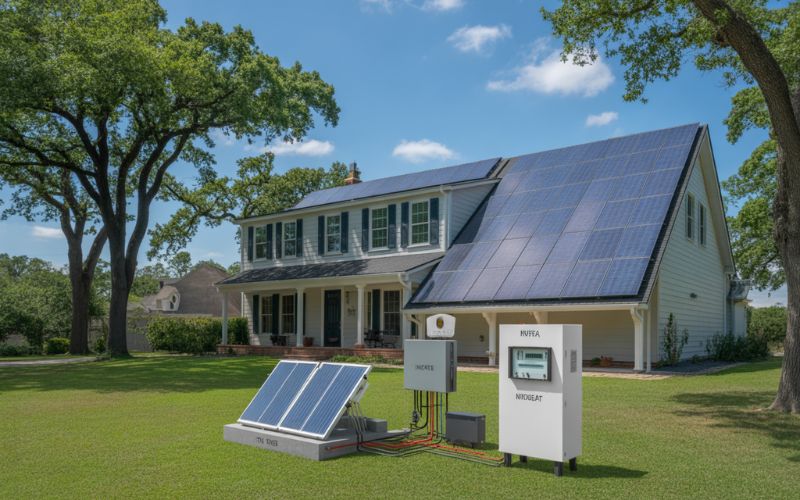
A solar electricity system includes several vital parts working together. The solar panels capture sunlight, while the solar inverter converts energy. Solar battery storage can hold excess power for nighttime or outages. You can choose between a grid-tied, off-grid, or hybrid solar setup depending on your energy independence goals.
Each solar photovoltaic system (PV system) also includes mounting hardware, wiring, and a performance monitoring system. Regular solar system maintenance ensures long-term efficiency. Licensed solar contractors handle solar panel installation, ensuring safe electrical connections and compliance with local building codes. A typical setup lasts 25–30 years with proper care, offering decades of renewable energy for homes.Modern technology now makes solar powering your home more efficient, durable, and low-maintenance than ever.
Calculating Solar Costs, Savings, and ROI
Understanding solar panel costs and returns helps determine if solar powering your home is worth it. In 2025, the average U.S. installation cost ranges between $2.50–$3.50 per watt, meaning a 6 kW system may cost about $15,000–$21,000 before incentives.
The solar payback period—the time it takes for your savings to cover the system cost—usually falls between 6 and 10 years. Factors like solar energy savings, electricity rates, and solar incentives and rebates influence ROI. According to the Solar Energy Industries Association (SEIA), many homeowners see a solar return on investment exceeding 20%. Below is a sample estimation:
| System Size | Average Cost | Federal Tax Credit (30%) | Estimated Payback | Lifetime Savings |
| 4 kW | $12,000 | $3,600 | 8 years | $16,000 |
| 6 kW | $18,000 | $5,400 | 7 years | $24,000 |
| 8 kW | $24,000 | $7,200 | 6 years | $32,000 |
Use tools like the Department of Energy solar calculator to calculate solar energy savings accurately. Real-world case studies show that solar powering your home consistently leads to strong long-term return on investment.
Financing Options and Government Incentives
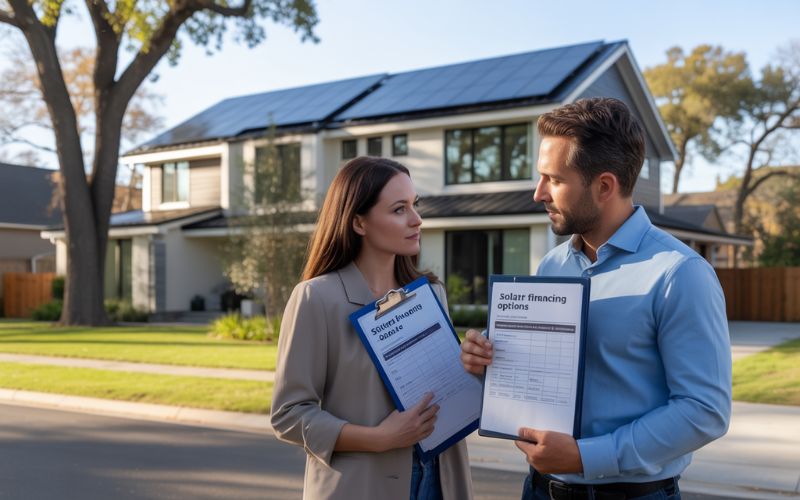
Many U.S. homeowners use solar financing options to make installations affordable. These include solar loans, solar power purchase agreements (PPA), solar leases, and property assessed clean energy (PACE) financing. Each option has different ownership and cost benefits.
The federal solar tax credit (ITC) allows homeowners to deduct 30% of installation costs from their federal taxes. Some states offer solar incentives and rebates or special PACE programs to encourage adoption. Government incentives play a major role in making solar power for your home affordable nationwide. For instance, under the Georgia solar financing law, homeowners can access low-interest loans for renewable projects. Understanding how to finance a solar system ensures long-term savings and ownership benefits.
The Step-by-Step Process of Going Solar
Switching to solar energy for homes follows a clear path. Start by contacting local solar installers or licensed solar contractors to evaluate your roof and energy usage. Comparing estimates helps you compare solar bids and choose reliable providers.
Next, review all solar contract terms carefully. Ask key questions like how long solar panel contracts last, potential early termination fees, and details about the performance guarantee and solar installation warranty. Once approved, installation typically takes 1–3 days. After that, the system connects to your utility grid, enabling net metering and immediate energy generation.
Pros and Cons of Solar Powering Your Homes
Every home solar energy system has benefits and drawbacks. On the positive side, solar energy for homes lowers utility bills, increases home resale value with solar panels, and reduces carbon emissions. It also protects you from rising electricity prices and helps achieve sustainable energy independence.
However, solar panel costs can be high upfront, especially without financing. Roof conditions, environmental factors affecting solar, and shading may limit energy production. While solar battery storage solves energy shortages, it adds extra cost. Still, with solar incentives and rebates, most U.S. homeowners find the investment worthwhile.
Real-Life Examples of Homes Powered by Solar
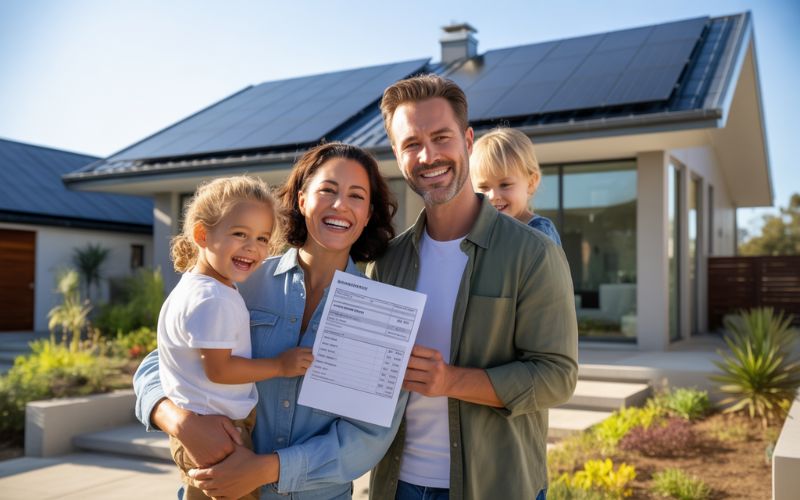
Many American homeowners have successfully transitioned to solar power for their homes. For example, a California family installed an 8 kW grid-tied solar system and achieved 95% energy independence within the first year, saving around $2,000 annually.
In another case, a Texas homeowner adopted a hybrid solar setup with solar battery storage to ensure backup power during outages. Over five years, they achieved a full solar return on investment. With the right equipment and financing options, solar powering your home becomes achievable for almost any household. Real-world data from the Department of Energy solar programs confirms that solar-equipped homes consistently outperform conventional properties in long-term savings and reliability.
Future of Home Solar Powering Your Home
The future of renewable energy for homes looks promising. Advancements in solar battery storage, high-efficiency PV panels, and smart inverters are improving output and reducing costs. To explore more tools and guides, check out these top solar energy resources that support homeowners in making smart solar decisions. Innovations like transparent solar cells and AI-based energy management will soon make solar powering your home even more efficient.
Government initiatives and the Department of Energy solar programs aim to make solar more accessible across all U.S. states. As consumer protection for solar buyers improves, more households will adopt this technology. The trend toward energy independence is unstoppable, making solar power central to America’s renewable future.
Final Thoughts: Making the Switch to Solar
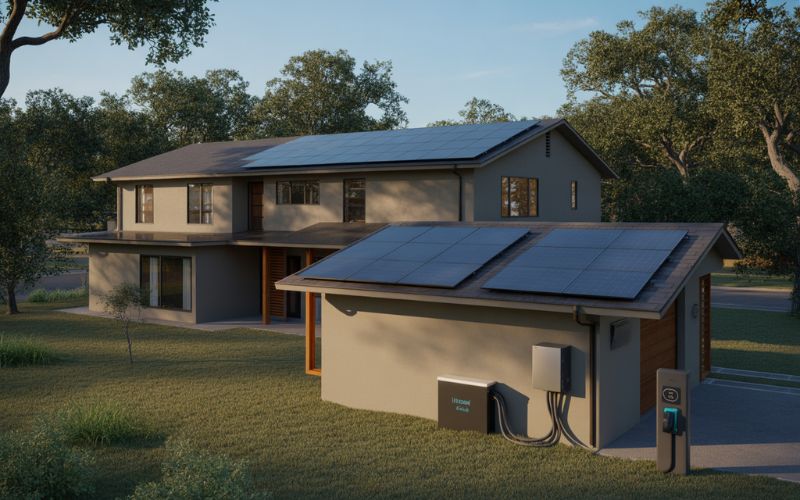
Deciding to invest in solar power for your home is both a financial and environmental choice. If you want to understand the bigger picture of energy types, here’s a clear guide on renewable vs nonrenewable energy resources. By understanding your solar electricity system, comparing solar financing options, and reviewing solar company reviews, you can make a confident decision.
Before signing, clarify questions to ask before signing a solar contract, and confirm your installer is certified. Whether you’re buying solar panels, choosing a solar lease vs PPA, or using PACE financing, every step brings you closer to a cleaner, more cost-effective home. The shift toward renewable energy for homes is no longer a trend — it’s the new standard for sustainable living in the USA.
To explore all aspects of solar energy and make the most of your home system, read our Solar Energy pillar page
FAQs
How much solar power do you need to run a home?
An average U.S. home needs a 5–7 kW solar system to cover typical electricity use, depending on location, sunlight hours, and energy consumption.
Is getting solar on your house worth it?
Yes, solar panels are worth it for most homeowners because they reduce utility bills, increase property value, and offer long-term savings with federal and state incentives.
What is the biggest downside to solar electricity?
The main drawback is the high upfront cost of installation, though financing options and tax credits can offset this expense.
Can you power your entire home with solar?
Yes, you can run your entire home on solar power if your solar system size matches your energy usage and you have battery storage or grid backup.
Can AC be run on solar power?
Absolutely. A properly sized solar photovoltaic system (PV system) can power air conditioners just like regular electricity.
Why is my light bill so high if I have solar panels?
High bills may occur if your solar panels aren’t producing enough energy, your system is undersized, or your utility charges high fixed fees even with solar.

Welcome to Renewable Energy! I’m Adnan, Owner, Admin, and Author of this Website.