Quick Summary:
Renewable energy sources like solar and wind are transforming how we power our world, offering cleaner, sustainable alternatives to coal, oil, and gas. This article compares renewable and nonrenewable energy, exploring their impacts, technologies, and practical steps for switching to a greener, more affordable future.
Introduction:
Understanding the difference between renewable and nonrenewable energy is key to shaping a sustainable future. Renewable sources like solar energy, wind power, and hydroelectric energy naturally replenish and help reduce carbon emissions, while nonrenewable sources such as coal, oil, and gas are limited and contribute to pollution.
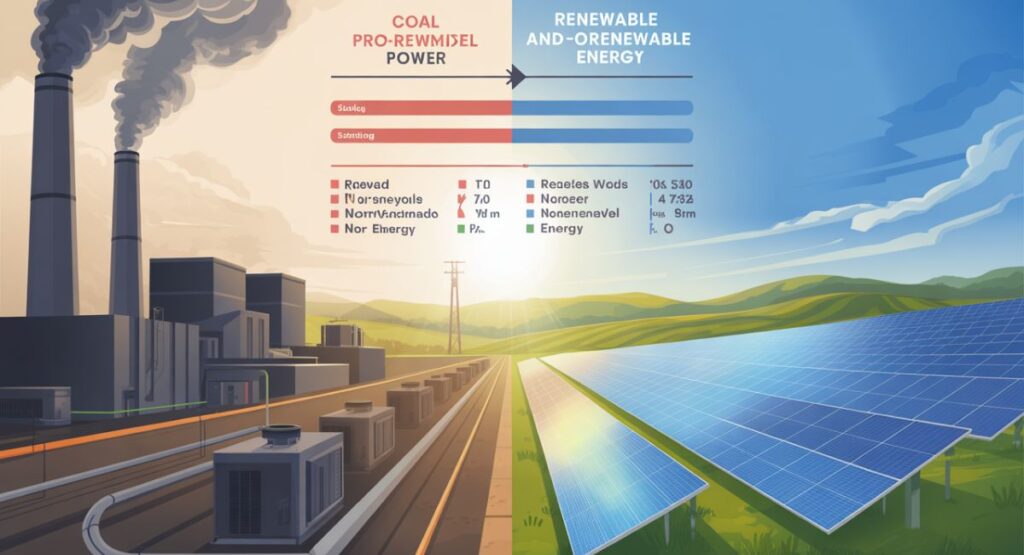
This article explains how both types of energy resources power modern life, their environmental and economic impacts, and why renewable options are becoming the smarter, cleaner choice for homes and industries. You’ll also learn about the latest technologies, government incentives, and practical steps for switching to greener power—helping readers make informed decisions that support a balanced, eco-friendly energy future.
What Are Renewable and Nonrenewable Energy?
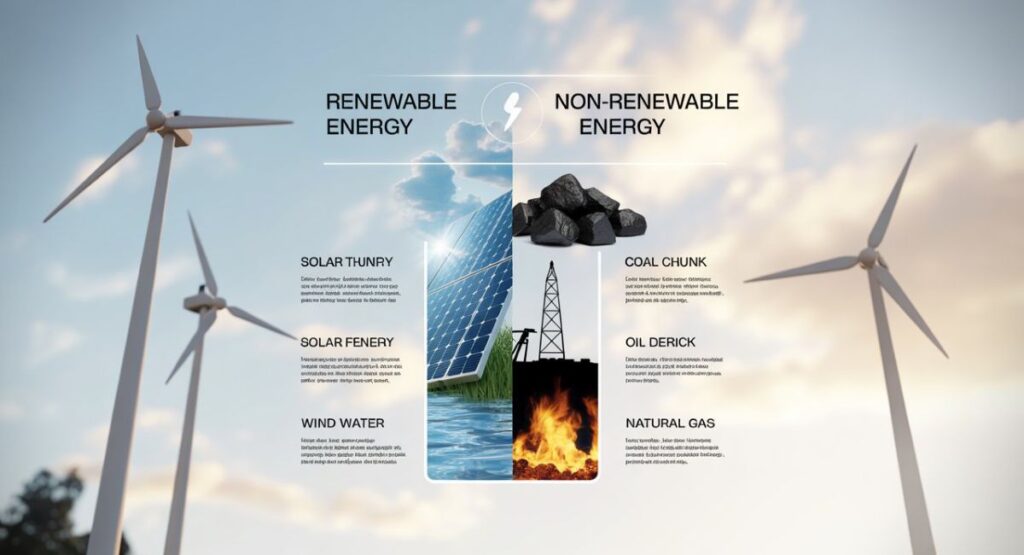
Renewable energy comes from sources that naturally replenish, like sunlight, wind, water, and biomass. These sources don’t run out and produce little or no carbon emissions, making them crucial for a sustainable future. Examples include solar energy, wind energy, and hydroelectric power. The comparison of Renewable and Nonrenewable Energy resources highlights how sustainable energy can replace limited fossil fuels in the long term.
By contrast, nonrenewable energy—such as coal, oil, natural gas, and nuclear energy—comes from finite resources formed over millions of years. Once used, they take centuries to replace. These carbon-based fuels remain dominant but contribute heavily to global warming and climate change.
For a deeper comparison of both types and their real-world examples, visit our comprehensive article on renewable vs nonrenewable energy resources.
Types & Examples: Where Energy Comes From
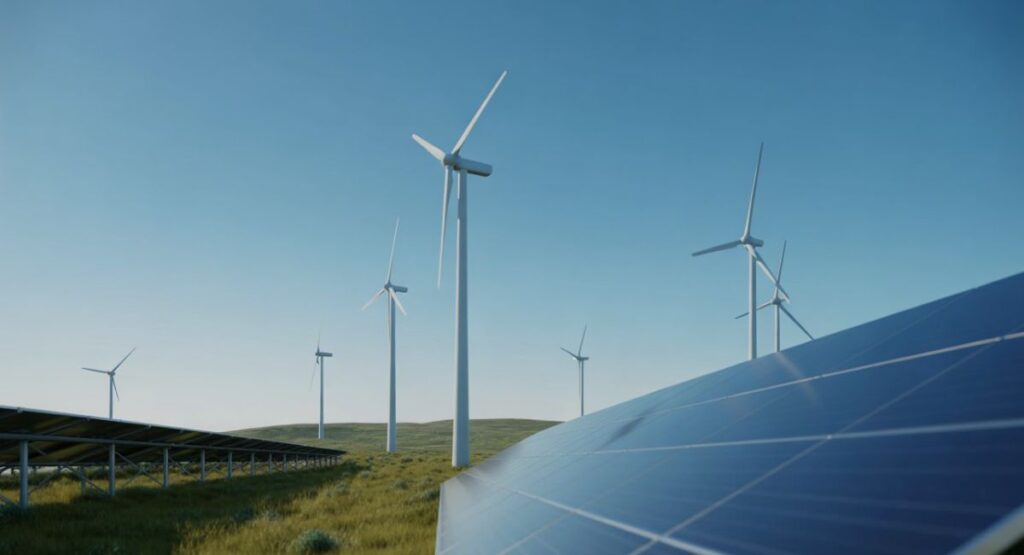
To better understand renewable and nonrenewable energy, it’s helpful to explore where each type of energy comes from and how it powers our daily lives.
Renewable Energy Sources
· Solar energy: Converts sunlight into electricity using solar panels or solar generators.
· Wind energy: Uses turbines to generate clean power.
· Hydroelectric power: Produces energy from flowing water.
· Geothermal energy: Taps heat from beneath Earth’s surface.
· Biomass energy: Generates fuel from organic matter like wood or crop waste.
Each of these clean energy sources supports sustainable development and reduces our carbon footprint.
Nonrenewable Energy Sources
· Coal: The oldest and dirtiest fuel for power generation.
· Oil: Used in transportation and heating.
· Natural gas: Burns cleaner than coal but still emits greenhouse gases.
· Nuclear energy: Low emissions but poses waste storage challenges.
Together, these provide most U.S. energy consumption, though their share is shrinking as renewables grow.
Advantages and Disadvantages (Pros & Cons)
When comparing renewable and nonrenewable energy, each has unique advantages and disadvantages that affect the environment, cost, and long-term sustainability. Renewable energy offers long-term sustainability and cleaner air. It creates jobs in solar, wind, and hydropower, supports energy independence, and reduces pollution. However, it can be intermittent—the sun doesn’t always shine, and the wind doesn’t always blow.
Nonrenewable energy is reliable and currently cheaper to produce. But it leads to fossil fuel depletion, heavy carbon emissions, and rising global temperatures. The U.S. is investing in energy transition programs to balance both reliability and sustainability. Learn more from the U.S. Department of Energy (DOE).
Environmental Impact: Carbon, Land, Water, and Pollution
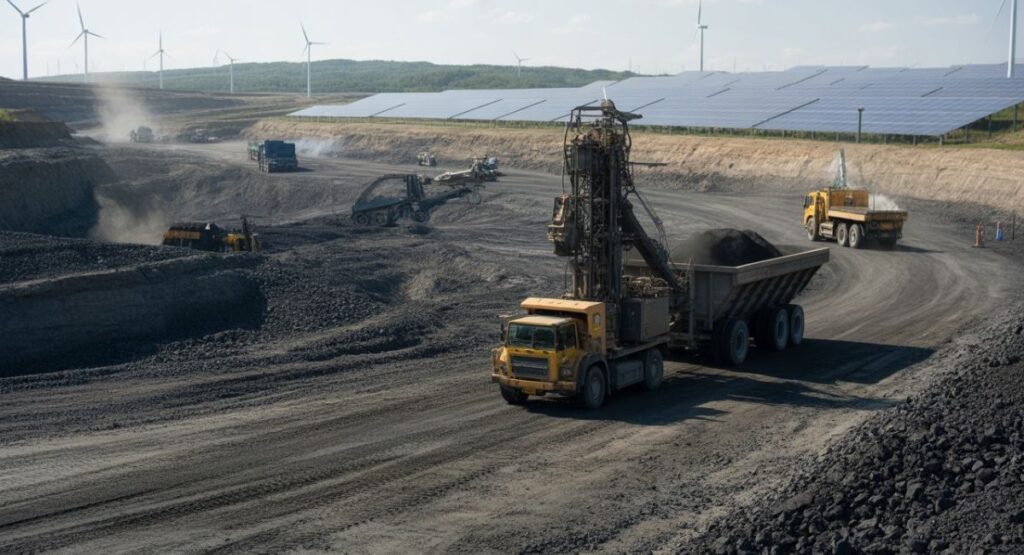
Burning fossil fuels releases greenhouse gases such as CO₂ and methane, which trap heat and cause climate change. Coal mining and oil drilling also damage ecosystems and water quality. The environmental effects of renewable and nonrenewable energy are dramatically different, especially when considering carbon emissions and pollution levels. According to the Environmental Protection Agency (EPA), electricity generation is one of the largest sources of U.S. carbon emissions.
In contrast, renewable energy systems have minimal pollution. Solar farms, wind turbines, and hydroelectric dams require land and materials but emit almost no air pollution. With proper planning, renewable projects can coexist with nature and local communities, helping reduce the national carbon footprint.
Economic Considerations: Costs, Jobs & Market Trends
The renewable energy sector remains one of the fastest-growing industries in the United States. By 2024, more than 3.5 million Americans are expected to work in clean energy fields, including solar, wind, and energy efficiency, accounting for over 80% of all new energy jobs nationwide. The solar industry alone employs nearly 280,000 workers, while the wind sector supports over 120,000 jobs and continues to expand in key states like Texas and Iowa.
Meanwhile, solar installation costs have fallen by nearly 75% since 2010, with the average residential system now priced around $2.50 per watt in 2025, making clean power more affordable than ever. In today’s economy, renewable and nonrenewable energy both drive investment, but renewables are clearly leading in job growth, innovation, and long-term sustainability.
Meanwhile, nonrenewable energy faces fluctuating fuel prices, aging infrastructure, and environmental penalties. As global markets shift, investors favor cost-effective power and sustainable energy. The Bureau of Labor Statistics projects that solar installer and wind technician jobs will be among the fastest-growing occupations this decade.
Technology & Storage: Solving Intermittency
The biggest challenge for renewables is energy storage. When the sun sets or the wind slows, power generation dips. Modern solutions like solar battery storage and portable power stations—for instance, the EcoFlow DELTA Pro and EcoFlow DELTA Pro Ultra—store excess electricity for later use. Modern storage systems are narrowing the gap between renewable and nonrenewable energy, making clean power more dependable than ever before.
You can also check out our list of top solar energy resources to learn about the best tools, technologies, and products that make solar energy more efficient.
These technologies allow off-grid energy solutions and whole-home backup systems, making clean energy reliable 24/7. Combined with smart grids and AI-based energy management, they’re transforming how Americans power their lives sustainably.
How Individuals and Households Can Switch (Practical Steps)
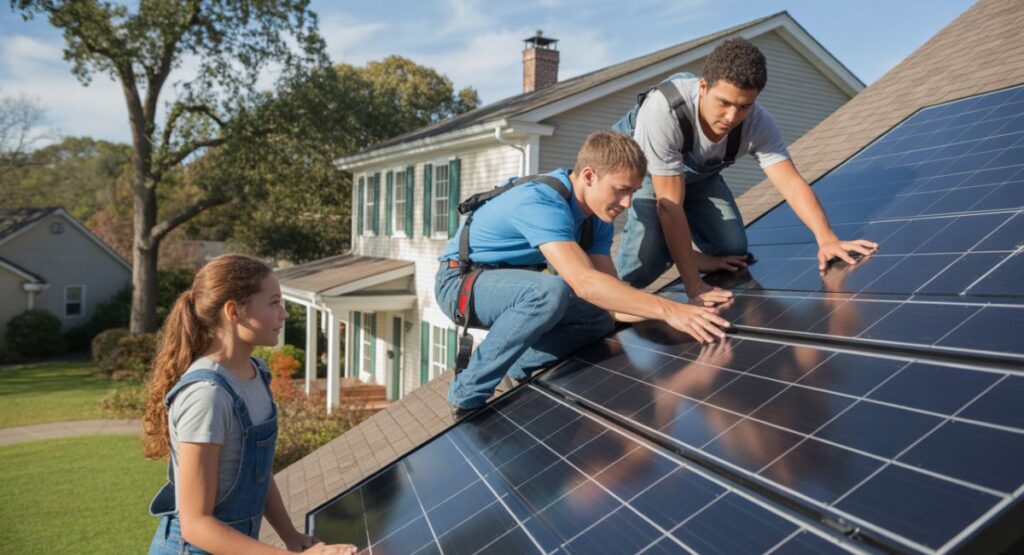
Switching to renewable energy is easier than ever. Homeowners can install solar panels or join community solar programs to lower bills. Many states offer tax credits and rebates that cover up to 30% of installation costs through federal incentives like the Clean Energy Tax Credit.
Renters can buy green power through utility companies that source from wind or solar farms. Households can also improve energy efficiency by using LED lighting, smart thermostats, and insulation upgrades. Small steps add up to big savings and fewer carbon emissions.
To explore step-by-step guidance on installing solar panels and reducing your energy bills, read our detailed guide on solar powering your home.
Policy, Incentives & the Global Transition
Governments play a vital role in the energy transition. The U.S. has committed to achieving net-zero emissions by 2050, supported by acts like the Inflation Reduction Act (IRA) and DOE grants for clean power innovation. Governments around the world are setting policies that encourage the shift from nonrenewable to renewable and nonrenewable energy balance for sustainability.
Globally, nations are phasing out coal and investing in renewable infrastructure. Organizations such as the International Renewable Energy Agency (IRENA) report that renewables could supply 90% of electricity worldwide by 2050. This shift reduces pollution and strengthens energy security for all.
Energy Efficiency and Conservation Tips for Households
Improving energy efficiency is the easiest way to cut both costs and emissions. Start by replacing old appliances with Energy Star-certified models, which use up to 30% less power. Sealing windows and doors, using programmable thermostats, and switching to LEDs all make a noticeable difference.
For deeper savings, homeowners can explore solar battery storage or smart home systems to monitor usage. Even unplugging idle devices or washing clothes in cold water helps reduce total energy consumption—a key step in protecting both your wallet and the planet.
Future of Renewable Energy in the USA
The U.S. is rapidly moving from coal to solar. Experts predict that by 2030, nearly 45% of new power generation will come from renewables. States like California, Texas, and New York lead in solar and wind energy, supported by public demand for clean energy and climate action.
Innovations in hydrogen fuel, advanced nuclear, and next-gen battery systems will make the grid even more resilient. The nationwide move toward solar and wind reflects a major turning point in how renewable and nonrenewable energy shape America’s power future. With continued investment, renewable energy will soon outpace nonrenewable energy—ushering in a future of lower costs, cleaner air, and sustainable growth.
Quick Comparison & Handy Resources (Tables + Tools)
| Feature | Renewable Energy | Nonrenewable Energy |
| Sources | Sunlight, wind, water, biomass | Coal, oil, natural gas, uranium |
| Availability | Infinite | Finite, depleting |
| Carbon Emissions | Very low | High |
| Cost Trend | Decreasing | Increasing |
| Environmental Impact | Minimal | Severe |
| Future Growth | Rapid | Declining |
Handy Tools:
· EnergyStar.gov – Efficiency guides
· NREL – Renewable energy research
· DSIREUSA.org – Find local energy incentives
Conclusion
The discussion around renewable and nonrenewable energy defines the path toward a sustainable, low-carbon world for future generations. The journey from coal to solar marks more than a technological shift—it’s a transformation of how humanity powers its future. By understanding renewable and nonrenewable energy, supporting clean technologies, and making smart home choices, Americans can drive the move toward a sustainable, energy-independent future. The switch isn’t just possible—it’s already happening, one home and one panel at a time.
Frequently Asked Questions
Q1. What is renewable energy?
It’s power from sources that naturally replenish—like solar, wind, and water.
Q2. What is nonrenewable energy?
Energy from limited resources such as coal, oil, and gas will eventually run out.
Q3. Which is better: renewable or nonrenewable energy?
Renewable energy is cleaner and sustainable long-term, while nonrenewables are temporary but reliable.
Q4. Can renewable energy replace fossil fuels?
Yes, gradually. With modern storage and infrastructure, renewables could meet most power needs by 2050.
Q5. How can I switch to renewable energy at home?
Install solar panels, subscribe to green energy plans, or buy certified renewable electricity from your provider.

Welcome to Renewable Energy! I’m Adnan, Owner, Admin, and Author of this Website.