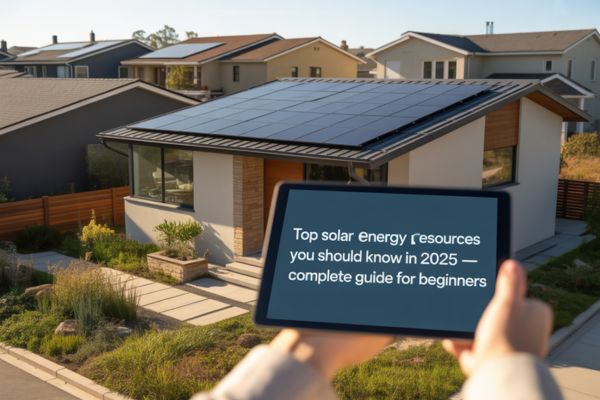
Renewable and nonrenewable energy resources form the foundation of modern energy production. Renewable energy sources such as sunlight, wind, and water are naturally replenished, while nonrenewable energy resources like coal, oil, and natural gas take millions of years to form. Understanding these differences is key to sustainable energy and reducing carbon emissions.
(U.S. Department of Energy – energy.gov, International Energy Agency – iea.org)
[Image 1: Illustration comparing renewable vs nonrenewable energy sources – icons of sun, wind turbine, coal, and oil barrel]
Table of Contents
ToggleWhat Are Renewable and Nonrenewable Resources?
Understanding Renewable Resources
Renewable resources come from natural processes that can regenerate over time. Examples include solar power, wind power, geothermal energy, and hydrothermal energy. These clean energy sources provide sustainable energy with low environmental impact and help reduce greenhouse gas emissions.
(National Geographic – education.nationalgeographic.org/resource/renewable-energy)
Defining Nonrenewable Energy Resources
Nonrenewable energy resources exist in limited quantities and take millions of years to form. They include fossil fuels (coal, oil, and natural gas) and uranium for nuclear power plants. Once depleted, they can’t be replaced quickly, leading to resource depletion and higher carbon emissions.
(U.S. Energy Information Administration – eia.gov)
[Image 2: Diagram showing renewable energy cycle vs nonrenewable depletion timeline]
Why the Classification Matters
Policy and Sustainability Decisions
Understanding renewable vs nonrenewable energy helps governments create effective climate policies. The DOE reports that renewables now provide a growing share of U.S. energy, but nonrenewable energy resources still dominate electricity and transport sectors.
Environmental and Climate Impact
The Environmental Protection Agency (epa.gov) highlights that renewable energy sources reduce greenhouse gases like carbon dioxide and nitrous oxide. Fossil fuels, however, drive global warming, water contamination, and air pollution.
[Image 3: Infographic showing global energy mix — renewables vs nonrenewables with emission comparison]
Examples of Renewable Resources Used Every Day
Solar, Wind, Hydro, and Geothermal Energy
Solar power captures sunlight, wind turbines harness moving air, hydropower uses flowing water, and geothermal energy taps the Earth’s heat. These renewable energy sources are eco-friendly, cost-effective, and essential for energy sustainability.
(National Renewable Energy Laboratory – nrel.gov)
Biomass and Other Biological Renewables
Biomass energy uses organic materials—crops, forest waste, and food scraps—to produce electricity and biofuel. Sustainable management of forests and water ensures these natural resources remain renewable. Overharvesting or deforestation can make them nonrenewable through depletion.
(Environmental Protection Agency – epa.gov)
[Image 4: Landscape photo with solar panels, wind turbines, and a hydroelectric dam]
Examples of Nonrenewable Resources and Their Uses
Fossil Fuels: Coal, Oil, and Natural Gas
Fossil fuels are the backbone of global energy production. These nonrenewable energy resources are reliable but emit large quantities of carbon dioxide and other greenhouse gases, worsening climate change.
(EIA – eia.gov/energyexplained)
Minerals, Metals, and Nuclear Energy
Nonrenewable resources like iron, copper, and uranium are crucial for manufacturing and nuclear energy. Nuclear power plants emit few greenhouse gases, but radioactive waste disposal and mining pollution pose environmental risks.
(World Nuclear Association – world-nuclear.org)
[Image 5: Image showing coal mining, oil rigs, and nuclear power plant cooling towers]
Key Differences Between Renewable and Nonrenewable Resources
| Feature | Renewable Resources | Nonrenewable Energy Resources |
|---|---|---|
| Availability | Naturally replenished | Finite and depleting |
| Examples | Sunlight, wind, water, biomass | Coal, oil, natural gas, uranium |
| Carbon Emissions | Low to zero | High |
| Cost Trend | Decreasing with innovation | Increasing with scarcity |
| Sustainability | Long-term viable | Short-term limited |
The major distinction is renewability. Renewable energy regenerates continuously, while nonrenewable energy resources shrink with use. This makes renewable energy essential for sustainable development and long-term stability.
Benefits of Expanding Renewable Energy Use
Environmental and Health Advantages
Renewable energy produces cleaner air, lowers carbon emissions, and reduces global warming. It also prevents health issues caused by pollution from fossil fuels, supporting environmental protection.
Economic and Innovation Benefits
Green technology supports sustainability careers and national energy independence. Countries investing in renewables (Our World in Data – ourworldindata.org) see lower greenhouse gas emissions and improved energy efficiency. Innovations in electric vehicles (EVs) and hybrid vehicles like the Toyota Prius are reducing fossil fuel dependence.
[Image 6: Illustration showing green jobs, EVs, and renewable energy factories representing a clean economy]
Challenges Facing Renewable and Nonrenewable Energy
Limitations of Renewable Energy
Renewable energy depends on weather and location—solar power needs sunlight, and wind energy requires steady airflow. High storage and setup costs are still barriers, though prices are dropping steadily (National Renewable Energy Laboratory – nrel.gov).
Issues with Nonrenewable Energy Resources
Nonrenewable energy resources cause major environmental damage through oil spills, mining, and deforestation. They’re cheap and dependable now but have severe long-term effects on climate and sustainability.
Future Outlook: Toward a Sustainable Energy Transition
The Global Clean Energy Shift
The DOE and the United Nations (un.org) project continuous growth in renewable energy generation through 2030. Solar, wind, and hydrothermal power will dominate future capacity as part of the clean energy transition.
Building a Sustainable Future
Achieving energy sustainability requires strong policies, community awareness, and technology innovation. Balancing renewable and nonrenewable energy resources is vital for environmental protection and a sustainable future.
Conclusion
Understanding renewable vs nonrenewable resources is essential for modern life and environmental protection. While nonrenewable energy resources powered human progress for centuries, transitioning toward renewable energy will secure a sustainable, eco-friendly future for generations to come.