Quick Summary
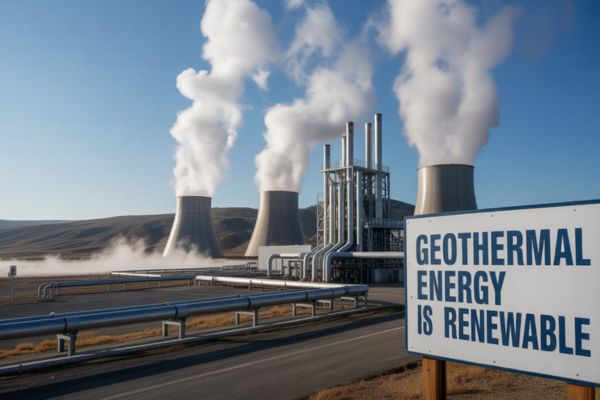
Geothermal energy is it renewable? Yes, it’s a clean, reliable, and sustainable energy source that provides continuous electricity and heating. Learn how geothermal power plants, heat pumps, and direct-use systems deliver baseload power, reduce greenhouse gas emissions, and support global renewable energy growth.
Introduction to Geothermal Energy
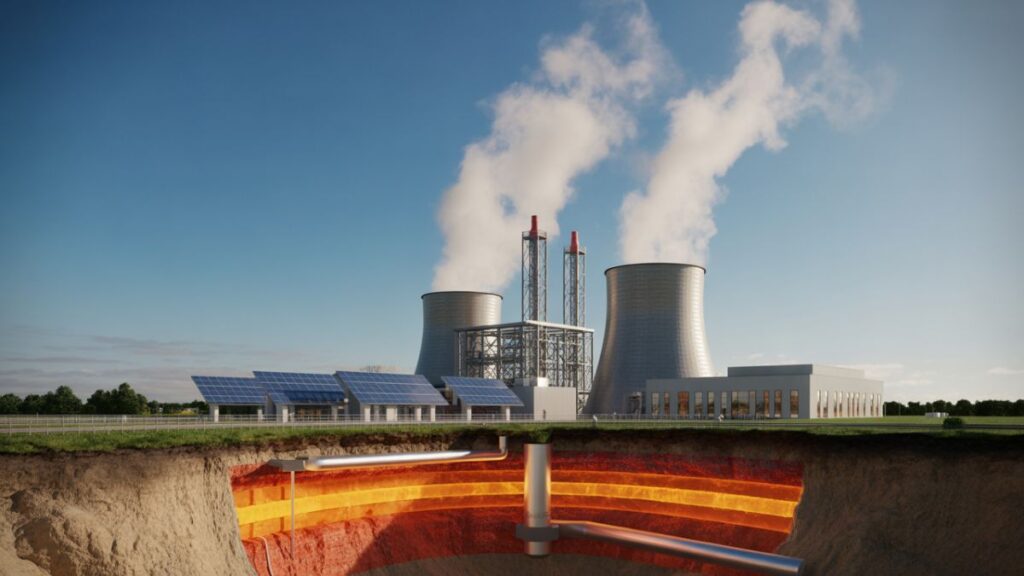
Geothermal energy is it renewable? This reliable renewable energy source taps into the Earth’s internal heat to provide continuous electricity and heating. Using technologies like geothermal power plants, heat pumps, and direct-use systems, it delivers baseload power that is available day and night, unlike solar or wind. Many homeowners ask if geothermal energy is it renewable when comparing it with other clean power options. See how it fits into the broader context of understanding renewable vs nonrenewable energy.
Geothermal energy produces very low greenhouse gas emissions and can operate sustainably for millions of years when water is reinjected into reservoirs. In this article, readers will explore how geothermal systems work, their environmental and economic benefits, technological innovations, global success stories, and the challenges that influence their growth, offering a complete understanding of this clean and sustainable energy option.
Is Geothermal Energy Renewable?

Geothermal energy is considered a renewable energy source because the Earth continuously produces heat. To understand whether geothermal energy is it renewable, it helps to look at how the Earth constantly produces heat below its surface and compare it with other top solar energy resources. The primary source of geothermal energy is the planet’s hot liquid iron core, which reaches temperatures exceeding 10,000°F.
This heat naturally flows toward the surface, keeping geothermal systems sustainable over millions of years. Experts explain that geothermal energy is it renewable because the Earth’s heat replenishes naturally and continuously. By reinjecting water into reservoirs, geothermal power plants maintain their output without depleting the heat source.
According to the U.S. Department of Energy, geothermal resources are “always on,” and geothermal power plants can operate with high capacity factors. When discussing emissions, researchers often highlight that geothermal energy is it renewable due to its extremely low carbon footprint. Learn more about switching from fossil fuels to renewable energy. Compared to geothermal vs coal power, geothermal produces very low carbon emissions and operates reliably year-round. Its long-term availability confirms its status as a renewable and sustainable energy option.
How Geothermal Power Plants Work
Flash Steam Power Plants
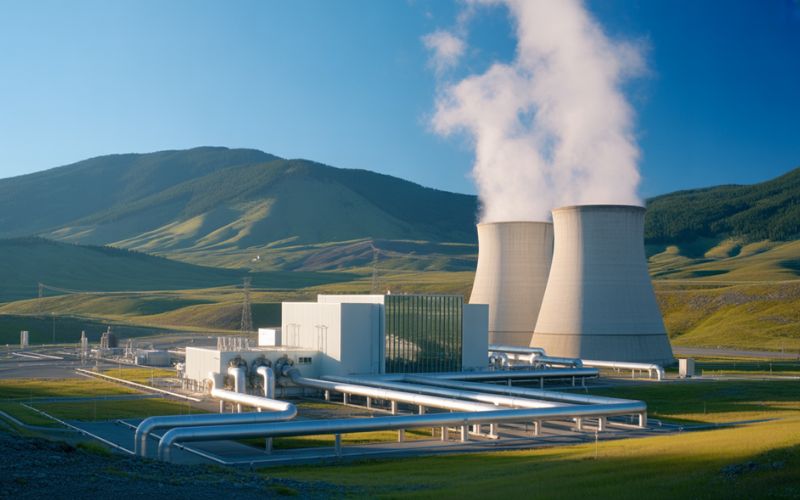
Flash steam plants are the most common type of geothermal power plants. They extract high-pressure hot water from deep underground, which then generates electricity from geothermal steam by turning turbines. Once the steam cools, the water is reused by reinjecting it into geothermal reservoirs, keeping the process renewable.
Learn more from the Union of Concerned Scientists. Because flash steam systems reuse both steam and water through continuous reinjection, they offer one of the most efficient and sustainable methods for generating long-term geothermal power.
Dry Steam Power Plants
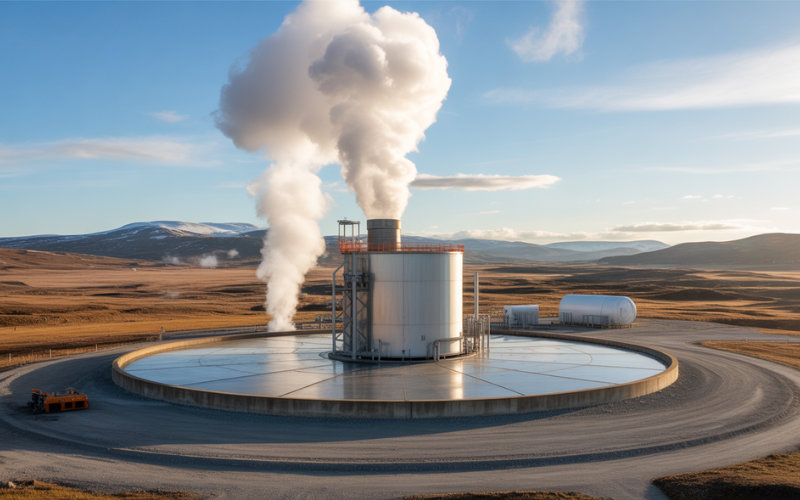
In a dry steam power plant, natural steam from beneath the Earth’s surface powers turbines directly. This method is efficient where steam is naturally available, producing reliable electricity with minimal environmental impact. It’s handy for locations near tectonic plate boundaries. EIA explains how dry steam geothermal plants work.
Binary Cycle Power Plants
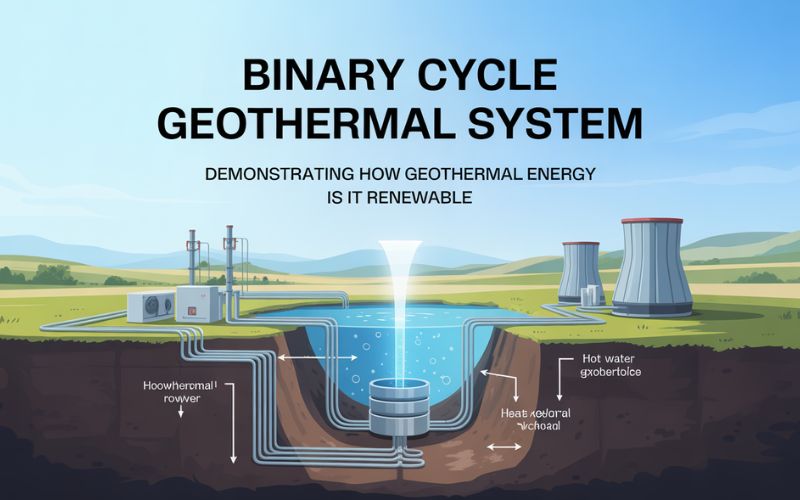
A binary cycle power plant uses geothermal water and steam to heat a secondary fluid with a lower boiling point. The vaporized fluid drives turbines to generate electricity. This system can operate at lower temperatures, expanding the potential sites for geothermal development. More details are on the Union of Concerned Scientists.
Types of Geothermal Energy and Their Uses
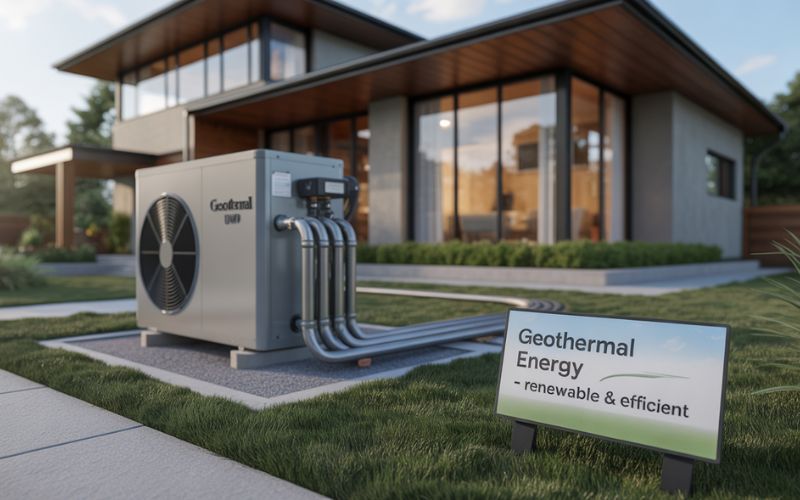
One major use is direct use of geothermal energy, where hot water or steam is used without generating electricity. Homes, offices, and pools can be heated efficiently, reducing energy costs. Many modern heating and cooling systems prove that geothermal energy is it renewable and practical for long-term home use.For other renewable options, see our list of renewable energy sources.
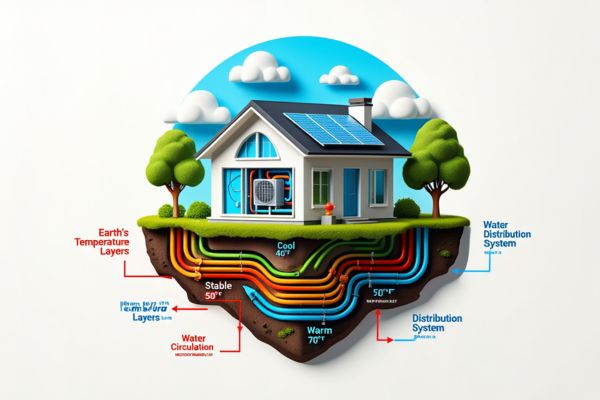
Another application is geothermal heat pumps, which utilise the temperature consistency underground to heat and cool buildings. These systems use 25–50% less electricity than conventional HVAC systems. Finally, electricity generation at geothermal power plants provides clean, reliable, renewable energy for the grid.
Advantages of Geothermal Energy
Reliable Baseload Power
Unlike solar or wind, geothermal energy provides baseload power, delivering continuous electricity throughout the year. Plants operate above 90% availability, outperforming many fossil fuel plants. The DOE states geothermal electricity is available “24 hours a day, 365 days a year.” Learn more at energy.gov/geothermal FAQs.
Environmental Benefits
Geothermal energy produces low greenhouse gas emissions, and water used in power plants can be recycled and reinjected. Compared to fossil fuels, asking ‘Is geothermal energy it renewable?’ shows how much more sustainable this option is. Explore top solar energy resources for comparison. Compared to fossil fuels, geothermal energy significantly reduces carbon emissions, contributing to cleaner air and a healthier environment. (Baseload Energy)
Economic Benefits
Investing in geothermal energy creates jobs in plant construction, maintenance, and local industry. Long-term operating costs are stable, making it financially reliable for communities. The DOE notes that geothermal deployment leverages oil and gas industry skills for job transition. (energy.gov geothermal)
Environmental and Economic Considerations
Emissions and Water Usage
Geothermal energy sustainability is supported by minimal environmental impacts. Greenhouse gas emissions are near zero, and plants reuse water to avoid resource depletion. (energy.gov geothermal FAQs)
Comparison with Nonrenewable Energy
Compared to coal power, geothermal is far cleaner and more efficient. Coal releases massive carbon emissions, while geothermal provides electricity generation with a fraction of the environmental footprint. (EIA geothermal)
Waste Management and Byproducts
Some geothermal operations produce mineral-rich sludge. Proper handling can turn these by-products into valuable industrial materials such as silica, zinc, or lithium in geothermal brines. (energy.gov geothermal)
Global Geothermal Energy Trends and Success Stories
The global energy roadmap supports that geothermal energy is it renewable and capable of scaling for future clean power demands.Learn more about switching from fossil fuels to renewable energy.
United States
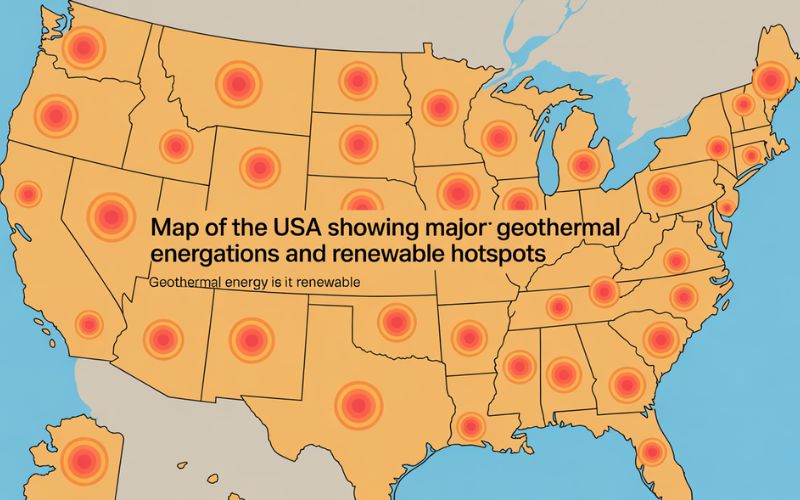
Most geothermal energy in the United States is generated in western states and Hawaii. Geothermal can balance intermittent sources like wind and solar, showing significant domestic potential. (energy.gov geothermal)
Iceland and Europe
Iceland produces nearly 90% of its heating from geothermal, and European countries increasingly use it for district heating. (Union of Concerned Scientists)
Emerging Markets
Countries like Kenya and regions in Latin America use shallow geothermal resources for electricity and heating. (NPS geothermal resources)
Technological Innovations Driving Geothermal Growth
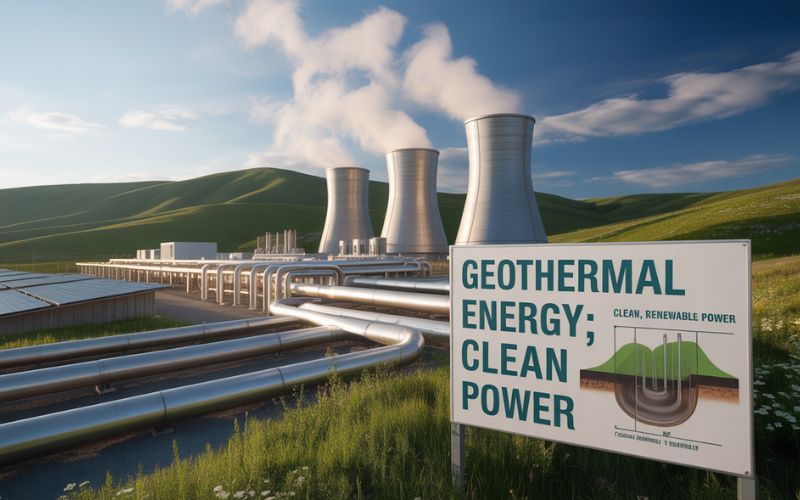
Enhanced Geothermal Systems (EGS)
EGS technology allows energy extraction from previously inaccessible reservoirs. The DOE recently announced funding for technologies to improve geothermal efficiency. (DOE article on EGS)
Drilling and Fracking Advancements
Modern directional drilling reduces costs and improves efficiency. (Union of Concerned Scientists)
Hybrid and Dual-Use Technologies
Geothermal can complement solar or wind in hybrid systems to maintain baseload power. (Baseload Energy)
Challenges and Limitations of Geothermal Energy
Site-Specific Limitations
Geothermal energy relies on underground heat near tectonic plate boundaries or high-temperature resources. (NPS geothermal)
High Upfront Costs
Drilling wells and building geothermal power plants require significant initial investment. (Union of Concerned Scientists)
Environmental Risks
Though minimal, risks include induced seismicity and minor land subsidence. (Union of Concerned Scientists)
The Future of Geothermal Energy
So, answering the question geothermal energy is it renewable helps readers understand why it’s a key part of a sustainable future. For more clean energy options, see our list of renewable energy sources.
Emerging Opportunities in the U.S.
Technological improvements and government incentives may expand geothermal energy. (DOE report)
Integration with Carbon Reduction Strategies
Geothermal’s low greenhouse-gas emissions make it a key part of decarbonising electricity grids. (energy.gov geothermal)
Potential for Global Growth
As EGS and binary systems improve, countries worldwide can adopt geothermal solutions, reducing reliance on fossil fuels. (NPS geothermal resources)
Conclusion
Geothermal energy — is it renewable? Absolutely.So, answering the question geothermal energy is it renewable helps readers understand why it’s a key part of a sustainable future. With its low greenhouse gas emissions, baseload power, and diverse applications, geothermal energy proves to be a reliable, clean, and sustainable solution. Technological advances and global adoption highlight its vital role in the transition to a sustainable energy future for the U.S. and beyond.
FAQs About Geothermal and Renewable Energy
Q1: Is geothermal energy really renewable?
A: Yes, geothermal energy is renewable because the Earth continuously produces heat that can be sustainably harnessed.
Q2: What country gets 90% of its homes heated by geothermal energy?
A: Iceland.
Q3: Why is geothermal energy non-renewable?
A: Geothermal energy can become non-renewable if heat or water is extracted faster than it naturally replenishes in a reservoir.
Q4: What are the 7 main sources of renewable energy?
A: Solar, wind, hydro, geothermal, biomass, ocean (tidal and wave), and hydrogen.
Q5: What is the world’s biggest source of renewable energy?
A: Hydropower.
Q6: How efficient is geothermal energy?
A: Geothermal energy is very efficient and can produce power almost continuously compared to solar and wind.

Welcome to Renewable Energy! I’m Adnan, Owner, Admin, and Author of this Website.