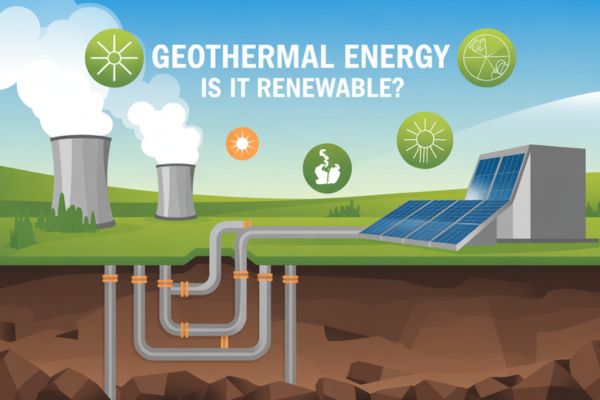
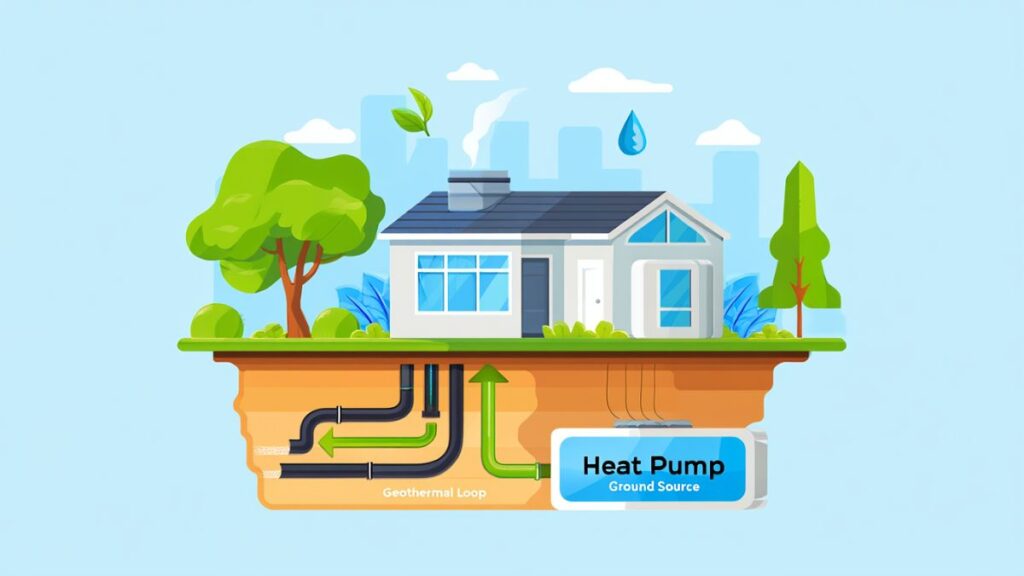
Geothermal energy for homes is becoming one of the most reliable ways for families to heat and cool their houses using the constant warmth stored beneath the Earth’s surface. This guide explains how residential geothermal heat pumps work, why they are more efficient than traditional HVAC systems, and how they can cut energy bills by 30%–60%.
You’ll learn the key advantages of renewable geothermal energy, the limits homeowners should consider, and how geothermal systems compare with other sustainable energy options. We also cover installation basics, geothermal heat reliability, and real examples from the United States to help you decide if this clean energy solution is right for your home.
What Is Geothermal Energy?
Geothermal energy comes from the Earth’s natural underground heat. This heat is continuously produced by radioactive decay and geological processes, making geothermal a renewable and sustainable energy source.
Alongside geothermal solutions, exploring wind energy can help you understand another leading source of clean, renewable power in the U.S
Homeowners can use geothermal heat pumps for efficient heating and cooling, while large geothermal power plants use underground reservoirs to generate electricity.
To learn the foundational concepts, see our existing resource on geothermal energy facts and basics:
How Geothermal Energy Works (Simple Explanation)
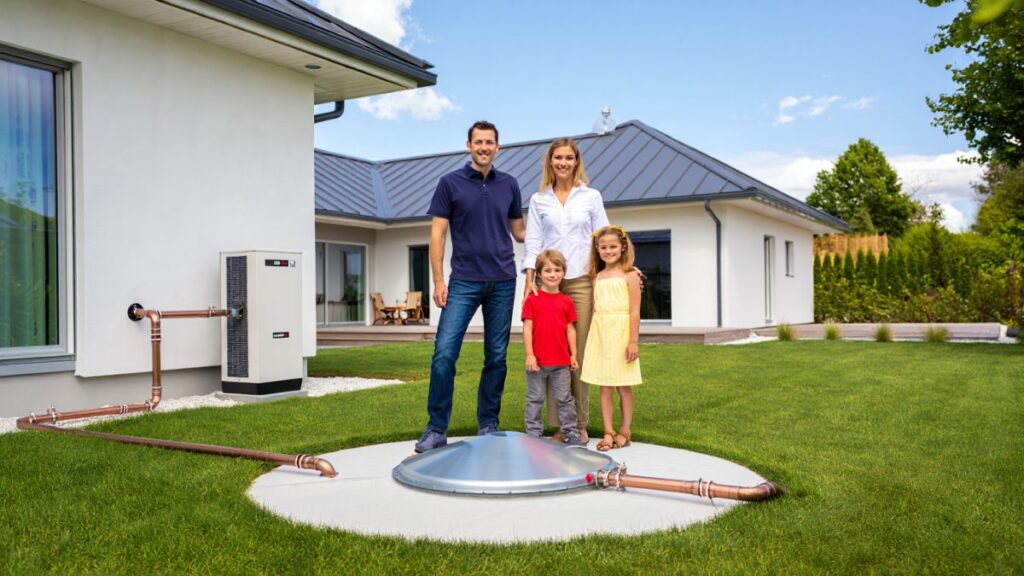
Geothermal energy systems pull heat from deep underground reservoirs of hot water, steam, or rocks. There are two major categories:
1. Geothermal Energy for Homes (Geothermal Heat Pumps)
This type doesn’t require volcanic activity. Pipes are installed underground to exchange heat with the Earth. Homeowners can use these systems for:
- Heating
- Cooling
- Hot water
Because underground temperatures stay stable year-round, geothermal heat pumps are 3–5 times more efficient than traditional HVAC systems.
2. Geothermal Power Plants (Electricity Production)
Power plants are typically located where underground heat is closer to the surface.
The three main types of plants are:
Dry Steam Plants
Use underground steam directly to turn turbines.
Flash Steam Plants
Pull high-pressure hot water, convert it into steam, and then power turbines.
This process is renewable because the cooled water is reinjected into the Earth.
Binary Cycle Plants
Use geothermal water to heat a secondary fluid with a low boiling point to generate electricity.
For deeper U.S.-specific insights, refer to our supporting article Geothermal Energy in the United States:
Benefits of Geothermal Energy for Homes
Using geothermal energy for homes offers many long-term advantages.
1. Extremely Energy Efficient
Geothermal heat pumps produce 3–5 units of heat for every unit of electricity consumed.
2. Renewable and Sustainable
Earth heat constantly regenerates, making geothermal a clean and long-lasting energy resource.
3. Lower Utility Bills
Homeowners typically save 30%–60% on heating and cooling costs.
4. Works Year-Round
Unlike solar or wind energy, geothermal provides baseload power — always available, day and night.
5. Very Low Emissions
Geothermal systems produce little to no greenhouse gases, contributing to a cleaner environment.
For additional scientific studies, see the U.S. Department of Energy’s geothermal overview
Disadvantages of Geothermal Energy
Although beneficial, geothermal energy has some limitations.
1. High Upfront Installation Cost
Home geothermal systems require significant groundwork and installation.
2. Location Limitations
Geothermal power plants can only be built in areas with accessible geothermal reservoirs.
3. Potential Resource Depletion
A site may cool over time if heat is removed faster than it can naturally recharge.
4. Land Use Restrictions
Some regions require permissions or geological surveying.
You can also compare geothermal with other energy types in our article on renewable vs nonrenewable energy resources:
Geothermal Energy in the United States
The U.S. is among the world leaders in geothermal electricity production. The top geothermal states include:
- California
- Nevada
- Utah
- Idaho
- Oregon
- Hawaii
The National Renewable Energy Laboratory (NREL) provides detailed research on geothermal technologies and potential:
To explore state-by-state insights and examples, visit our existing article on Geothermal Energy in the U.S.
Geothermal Energy for Homes: Heat Pumps Explained
Now let’s focus specifically on residential use, which is the main purpose of this pillar page.
Types of Geothermal Heat Pump Systems
- Horizontal Loop Systems – cost-effective for large yards
- Vertical Loop Systems – ideal for smaller spaces
- Pond/Lake Loops – if you have water on your property
- Open Loop Systems – use groundwater directly
What Homeowners Can Expect
- Long lifespan (25–50 years)
- Lower monthly bills
- Quiet operation
- Environmentally friendly heating/cooling
If you’re transitioning from fossil fuels, visit our article comparing coal and renewable energy.
FAQs About Geothermal Energy
1. Is geothermal energy renewable?
Yes — geothermal energy is naturally replenished by heat within the Earth.
2. Can geothermal energy be nonrenewable?
Only if a reservoir is overused faster than it recharges.
3. Which country uses the most geothermal heating?
Iceland heats more than 90% of homes using geothermal systems.
4. What are the most common geothermal power plant types?
Flash steam plants are the most widely used worldwide.
5. How efficient is geothermal energy for homes?
Geothermal heat pumps are 300–500% more efficient than typical heating systems.
Conclusion
Geothermal energy for homes is one of the most reliable, efficient, and renewable energy options available today. Whether you’re exploring geothermal heat pumps, studying geothermal electricity production, or comparing renewable energy options, geothermal offers long-term cost savings and environmental benefits. If you’re also exploring other clean energy options, check out our complete guide on solar energy, where we explain its benefits, costs, and how it compares to geothermal systems.

Welcome to Renewable Energy! I’m Adnan, Owner, Admin, and Author of this Website.