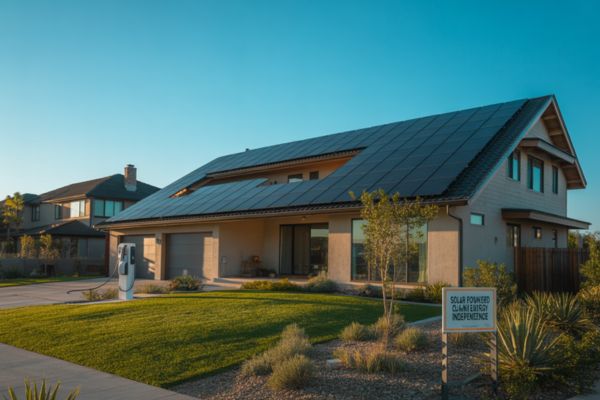
Quick Summary: The advantages of solar energy go beyond saving money on electricity—they include environmental benefits, energy independence, and increased property value. This guide outlines 18 key benefits for U.S. homeowners, demonstrating how solar panels offer long-term savings, low maintenance, and practical clean energy solutions.
Introduction
Advantages of solar energy are transforming the way homeowners and businesses power their lives while saving money and protecting the environment. By harnessing the sun’s power, you can enjoy solar panel savings, reduce dependence on traditional utilities, and gain energy independence. To understand how solar fits into a real residential setup, check out our guide on solar powering your home.
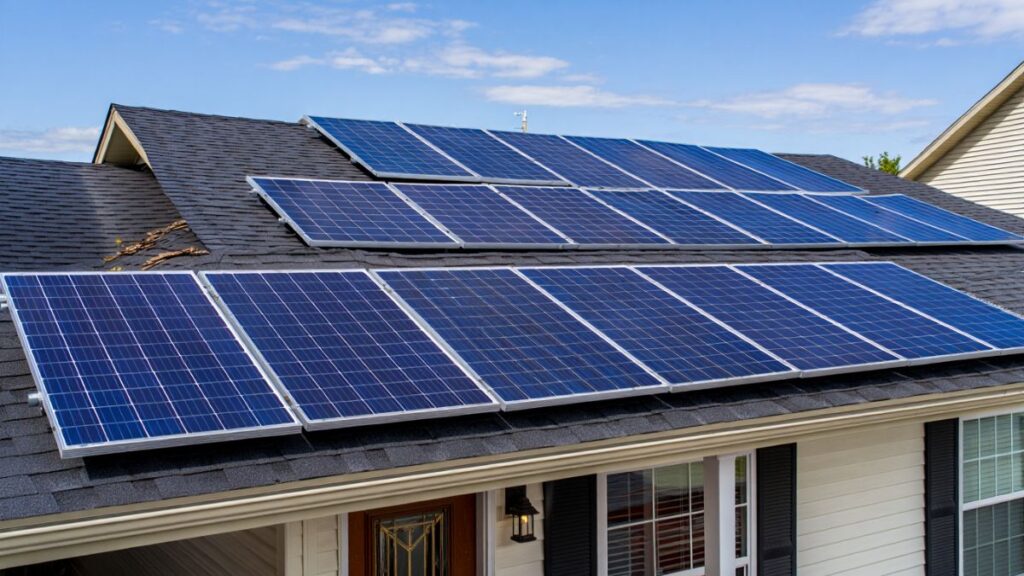
Solar systems also offer residential solar electricity benefits, such as lower maintenance and long-lasting performance, while contributing to clean energy advantages that help combat climate change. These advantages are only part of the story. For a full overview of solar energy for homes, check our Complete Guide to Solar Energy for Homes.
This article explores 18 key benefits of solar energy in the U.S., including financial savings, environmental impact, property value increases, and practical applications, giving readers clear guidance on how to maximize these advantages effectively.
What Is Solar Energy—and Why It Matters
Definition & how solar power systems work
Solar energy refers to capturing sunlight via solar panels and converting it into usable electricity using solar power technologies. In a typical home installation, photovoltaic cells generate power while the grid or battery system backs up extra demand. This is one of the most promising clean energy advantages for homeowners in the U.S. For additional tools, installers, and learning materials, see our full list of top solar energy resources.
The current U.S. solar landscape and why it’s a timely topic
In the U.S., solar installations are increasing rapidly because of falling costs and strong incentives like the federal 30% tax credit (see Database of State Incentives for Renewables & Efficiency). That makes the advantages of solar energy more accessible than ever. For American homeowners, now is a great time to explore solar panel savings.
Renewable & Abundant Energy—A Foundational Advantage
How solar energy never “runs out” and uses the sun as fuel
A major benefit of solar is that the power source—the sun—is essentially inexhaustible in human terms. When you install solar equipment on your home, you tap into a renewable energy stream for homes that won’t be depleted. That gives the lasting advantages of solar energy compared to buying fuel.
Geography and availability in the U.S. context
Many U.S. regions get abundant sunlight, making solar a viable option from California to Florida. With solar scalability, homeowners can choose system sizes tailored to their roof, usage, and budget. That flexibility adds real value when considering the advantages of solar energy. To explore how solar compares with other renewable sources, visit our complete list of renewable energy sources.
Environmentally‑Friendly Benefits of Solar Energy
Reduction of greenhouse gas emissions and air pollution
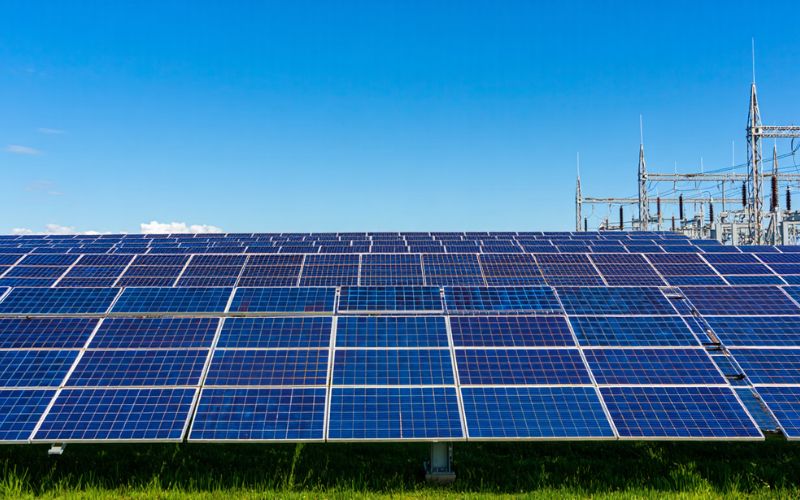
Switching to solar significantly lowers carbon emissions and air pollutants. That means the environmental benefits of solar power are clear—less smog, fewer greenhouse gases, and a better future for the planet. This is one of the most visible advantages of solar energy that homeowners embrace.
Less water usage, fewer environmental impacts compared to fossil fuels
Unlike coal or nuclear plants, solar panels require minimal water and create fewer ecosystem disruptions. This low‑impact design adds another layer to the benefits of solar energy, rarely discussed but very real. If you’re transitioning from fossil fuels, see how it compares in From Coal to Solar: Renewable and Nonrenewable Energy.
Positive lifecycle impacts (manufacture vs lifetime gains)
While manufacturing solar modules uses energy, studies show the pay‑back period is often just a few years. For example, research found PV systems recovered their energy cost within 1‑4 years. (NREL Docs) That means decades of clean energy follow. That’s a strong part of the advantages of solar energy story. Solar is part of the broader clean-energy transition, alongside technologies like biomass. You can explore how biomass contributes to future renewable systems in the Future of Biomass Energy Production guide.
Financial Savings from Solar for Homeowners

Lower electricity bills & long‑term utility cost reduction
Generating your own power reduces what you owe the utility each month. Many U.S. homeowners enjoy significant solar panel savings, and that makes the financial side of the advantages of solar energy very real.
Rising affordability: equipment costs, financing, incentives
Installation costs have dropped, and financing options are improving. For instance, the average U.S. payback period is 7.5 years. (pv magazine USA) These shifts mean more households can access the benefits of solar energy. To understand the bigger cost differences between renewables and fossil fuels, see our comparison of renewable vs nonrenewable energy resources.
Net metering, feed‑in credits, and selling power back to the grid
Programs like net metering solar panels allow homeowners to sell excess power back to the grid, adding another revenue stream. That enhances the advantages of solar energy beyond just reducing costs.
Increased Home Value & Marketability
How solar installations affect resale value and buyer appeal
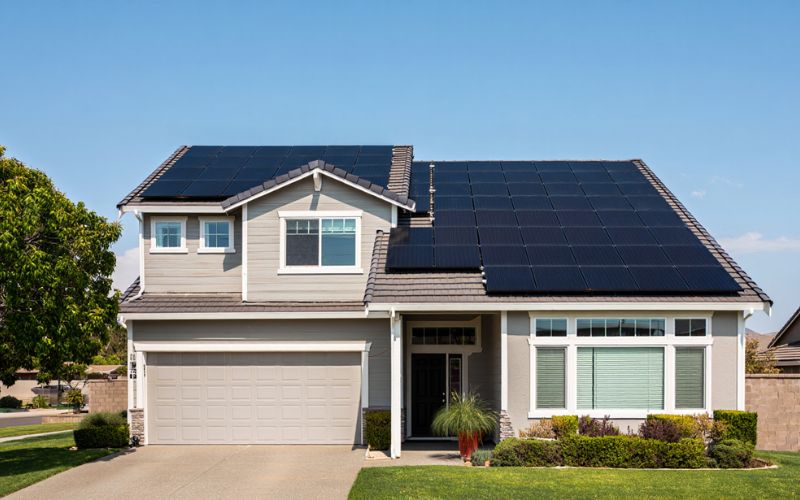
Homes equipped with solar often sell faster and at a premium. Studies report a measurable solar home value increase, which is one of the compelling benefits of solar energy for homeowners.
State–by–state U.S. differences and what homeowners should know
The exact value lift depends on region, local incentives, and system size. Understanding solar incentives and government programs in your state ensures you maximize the advantages of solar energy when it’s time to sell.
Energy Independence & Grid Resilience
Producing your own power, reducing reliance on utilities
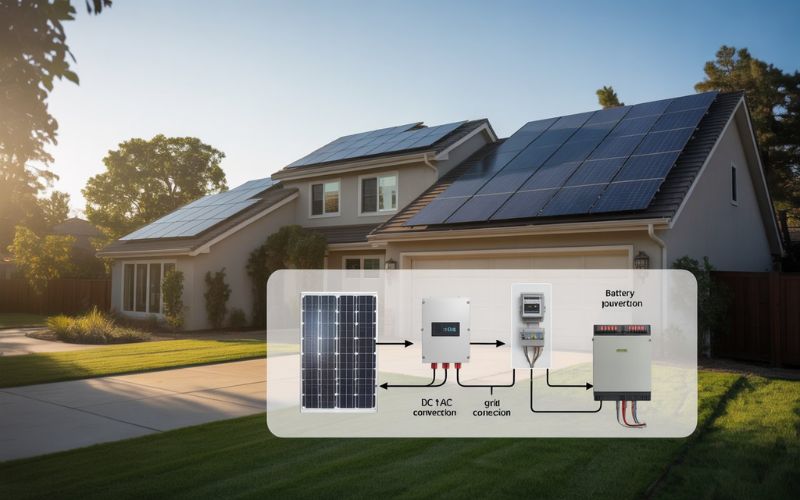
When you generate your electricity, you gain greater control of your energy usage—this is the advantage of solar for energy independence in action. You aren’t entirely at the mercy of fluctuating utility rates anymore.
Backup power during outages, storage options, and peak-hour use
With solar storage & battery backup, solar systems can power your home during outages or peak‑rate hours. That boosts the advantages of solar energy by adding resilience and peace of mind. If you’re exploring other resilient renewable systems, see Geothermal Energy: Is It Renewable?.
Low Maintenance & Long Service Life

Typical lifespan of solar panels, with minimal moving parts
Solar panels are built to last 25–30 years or more, with few moving parts. This means the low-maintenance solar system you install today can provide decades of residential solar electricity benefits.
Warranties, upkeep, what homeowners should expect
Most systems come with robust performance warranties. Routine cleaning and monitoring are generally all that’s needed. That simplicity adds to the appeal of the advantages of solar energy for busy homeowners.
Versatility, Scalability & Remote Applications
From rooftop to ground‑mounted to remote/off‑grid systems
Whether you’re in a city or off‑grid, you’ll find a solar solution that fits—solar for remote/off‑grid use is now practical. That flexibility reinforces the advantages of solar energy for a variety of home types. Solar works well in both cities and rural areas. To see how another renewable option supports off-grid users, explore Geothermal Energy in the United States.
Growing applications: water‑heating, EV charging, smart home integration
Solar isn’t just for lights and a fridge. It powers water heaters, EVs, and smart‑home systems too. These extra “bonus” uses expand the clean energy advantages of solar well beyond standard electricity generation.
Economic, Job Creation & Community Advantages
Solar industry growth in the U.S., new jobs, and local economies
The solar industry is creating thousands of jobs in installation, manufacturing, and maintenance roles. That’s a big part of the benefits of solar energy, spreading economic value in communities nationwide.
Broader community benefits: solar for renters, community solar models
Even if you can’t mount panels on your roof, community‑based solar systems let you tap into the advantages. Community solar programs and benefits bring the advantages of solar energy to renters and condo owners, too.
18 Key Advantages of Solar Energy (Summary Section)
A Rapid List of All 18 Advantages
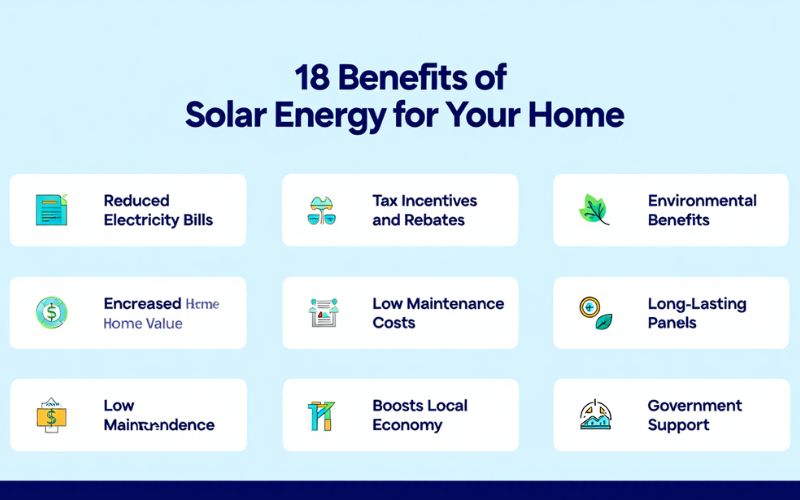
To ensure clarity, here are the 18 major benefits of solar energy in one place:
1. Renewable, abundant energy source
2. Significant electricity bill reduction
3. Low maintenance requirements
4. Long service life and lifespan
5. Greater energy independence
6. Improved grid resilience
7. Reduction in greenhouse gas emissions
8. Lower water consumption
9. Minimal environmental impact during operation
10. Scalable and versatile system options
11. Increased home resale value
12. Ability to earn income from excess power
13. Access to tax credits, rebates, and incentives
14. Job creation and economic growth
15. Community solar access for more homeowners
16. Smart‑home & EV integration
17. Positive lifecycle energy payback
18. Support for clean electricity alternatives for homes
Tips for Homeowners: How to Maximise Each Advantage
To maximize these benefits, start by assessing your home’s sunlight potential and roof orientation. Research local incentives and solar tax credits/incentives. Choose the right system size and consider ways to maximize solar energy benefits, like adding battery storage or joining a community solar program.
Table: Estimated Payback Period by State (2025 Data)
| State | Avg. Payback Period | Typical Net Cost* | Notes |
| California | 5‑7 years | ~$10,500 after credits | High solar exposure + strong incentives. (NEDES Solar Installation Services) |
| Florida | 7‑9 years | ~$13,500 after credits | Good sun + moderate electricity rates. (NEDES Solar Installation Services) |
| Texas | 8‑10 years | ~$14,000 net cost | Growing solar market; large rooftop potential. (NEDES Solar Installation Services) |
| Oregon | 9‑12 years | ~$15,000 after credits | Lower electricity rates increase payback. (NEDES Solar Installation Services) |
* Net cost estimates reflect average before local/state rebates, after federal tax credit.
Conclusion
The advantages of solar energy cover much more than simply reducing your power bill—they deliver environmental, financial, and lifestyle benefits that add up over time. By understanding all 18 advantages and calculating how they apply to your home in the U.S., you can make a smart decision and truly maximize solar energy benefits. The sun is shining. It’s time to let it work for you. To learn more about installation, resources, and practical tips, visit our Solar Energy pillar page.
Frequently Asked Questions (FAQs)
Q1: What are the 5 advantages of solar energy?
A: Solar energy lowers electricity bills, provides renewable power, reduces carbon footprint, increases home value, and requires low maintenance.
Q2: Why is my light bill so high if I have solar panels?
A: Your light bill may be high due to insufficient sunlight, higher-than-expected energy usage, or a solar system that is undersized for your needs.
Q3: How would you explain the benefits of solar energy to a prospective customer?
A: Solar energy offers cost savings, clean electricity, energy independence, and long-term investment value for homes and businesses.
Q4: How do customers benefit from the solar system?
A: Customers save on electricity costs, increase property value, and enjoy reliable, renewable energy for daily use.
Q5: What is the 33% rule in solar panels?
A: The 33% rule suggests installing solar panels that produce about one-third of your roof’s maximum sunlight capacity to optimize efficiency.Q6: What are the 5 uses of solar energy?
A: Solar energy can be used for electricity generation, water heating, space heating, powering vehicles, and running remote or off-grid devices.

Welcome to Renewable Energy! I’m Adnan, Owner, Admin, and Author of this Website.