Introduction
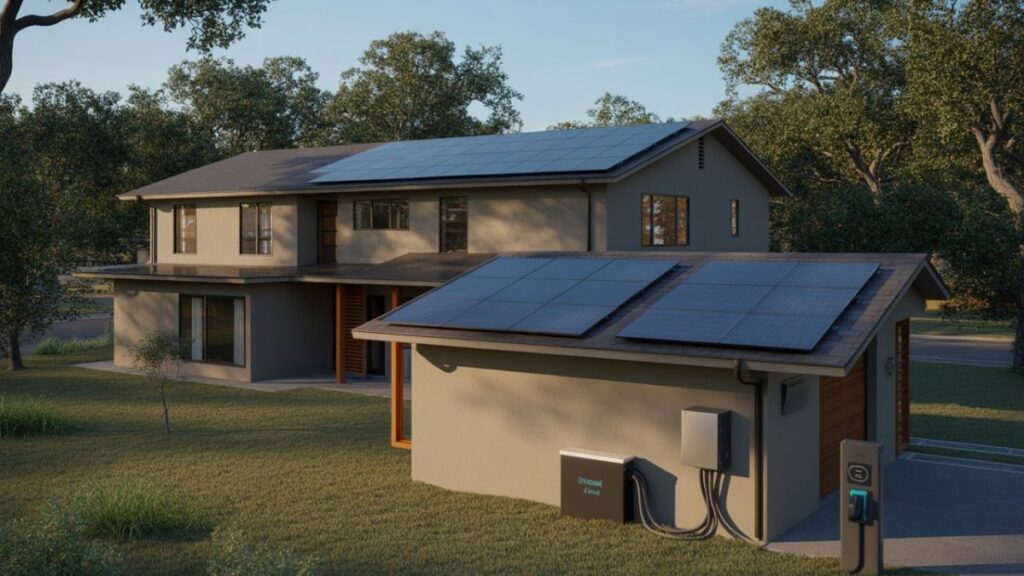
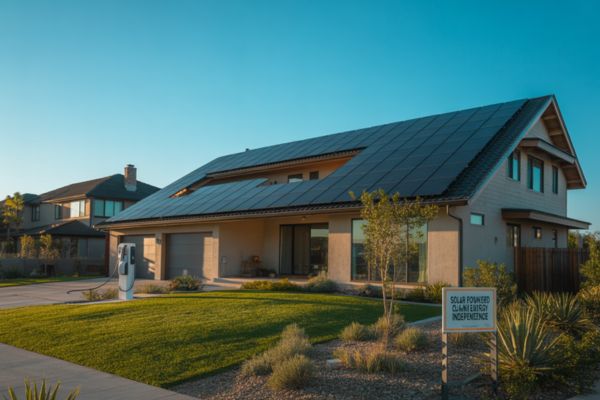
Solar energy for homes has become one of the fastest-growing renewable energy sources worldwide. Rising electricity costs, environmental concerns, and the push for sustainable living have made solar power a popular choice for homeowners. By harnessing the power of the sun, homeowners can generate clean energy, reduce their energy bills, and increase their energy independence.
This page serves as a comprehensive guide to solar energy for homes, linking to detailed articles that cover advantages, installation tips, resources, and potential drawbacks. Whether you are new to solar power or looking to optimize your existing system, this guide will help you understand all aspects of solar energy.
According to the U.S. Department of Energy Solar Energy Technologies Office, solar panels are a reliable and sustainable energy source that can significantly reduce household electricity consumption.
Read more: Is Solar Energy Clean Energy? Benefits, Sustainability, and U.S. Impact Explained
Powering Your Home with Solar Energy
Solar panels, or photovoltaic (PV) panels, convert sunlight into electricity that can power your home. The amount of electricity produced depends on factors such as the number of panels, roof orientation, and local sunlight availability. Modern solar systems can cover most of a household’s energy needs, reducing reliance on the grid.
For a detailed guide on choosing the right solar system, see Solar Powering Your Home.
Benefits of Installing Solar Panels at Home
- Lower Electricity Bills: Solar panels can significantly reduce monthly energy costs.
- Energy Independence: Produce your own electricity and reduce reliance on traditional power sources.
- Environmental Impact: Solar energy produces no greenhouse gas emissions, helping to reduce your carbon footprint.
- Long-Term Investment: Solar panels have a lifespan of 25–30 years and require minimal maintenance.
Top Solar Energy Resources for Homeowners
Maximizing solar energy efficiency requires using the right tools and resources. Homeowners can access solar calculators, energy monitoring systems, and government incentives to optimize installation and usage.
For an extensive list of tools and guides, check out our article on Top Solar Energy Resources.
Key Solar Resources
- Solar Calculators: Determine the optimal size of your system based on roof space and energy needs.
- Incentives & Rebates: Federal and state programs can reduce upfront costs for solar installation.
- Installation Guides: Step-by-step instructions to choose panels, inverters, and battery storage.
- Monitoring Tools: Track electricity production and energy consumption in real-time.
The National Renewable Energy Laboratory (NREL) provides research and tools to help homeowners optimize solar energy production.
Advantages of Solar Energy for Homes
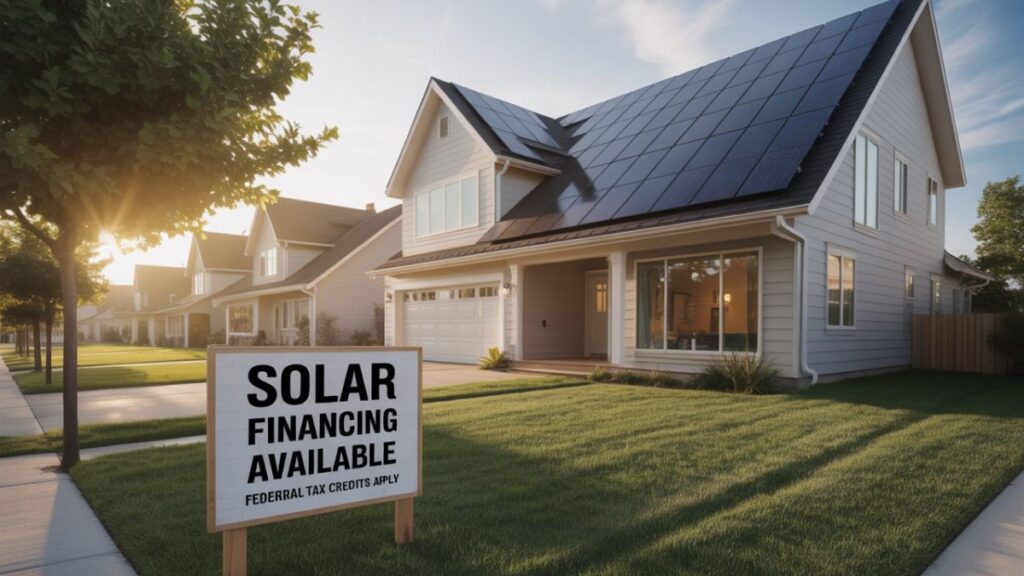
Solar energy for homes offers multiple benefits, both financial and environmental. Understanding these advantages can help homeowners decide whether solar power is a suitable investment.
Learn more about these benefits in our article on Exploring the Best 18 Advantages of Solar Energy.
Top Benefits
- Cost Savings: Over time, solar panels can dramatically reduce electricity bills.
- Clean Energy: Solar energy is renewable and produces no air pollution.
- Property Value Increase: Homes with solar panels often sell for higher prices.
- Low Maintenance: Solar panels require minimal maintenance and remain efficient for decades.
- Energy Independence: Producing your own electricity reduces reliance on nonrenewable energy sources like coal and natural gas.
Solar Energy Advantages and Disadvantages for US Homes
While solar energy offers many advantages, it is important to consider potential drawbacks before installation.
Read the detailed analysis in Solar Energy Advantages and Disadvantages for US Homes.
Potential Drawbacks
- High Upfront Cost: Installing solar panels can be expensive initially.
- Weather Dependent: Efficiency is lower on cloudy or shaded days.
- Roof Space Requirements: An adequate roof area is necessary for optimal energy generation.
- Inverter Maintenance: Inverters require occasional servicing to maintain efficiency.
According to the Union of Concerned Scientists, despite some limitations, solar panels provide long-term benefits and significantly reduce greenhouse gas emissions.
Learn more about wind energy and its applications in homes, businesses, and large-scale utility systems across the U.S.
Tips to Maximize Solar Energy at Home
- Install Panels Properly: South-facing panels (in the Northern Hemisphere) maximize sunlight exposure.
- Keep Panels Clean: Dust and debris can reduce efficiency; clean panels periodically.
- Use Energy Storage: Add solar batteries to store excess energy for nighttime or cloudy days.
- Monitor Energy Usage: Use apps or monitoring systems to track production and consumption.
For guidance on energy monitoring and optimization tools, see Top Solar Energy Resources.
Conclusion
Solar energy for homes is a clean, renewable, and cost-effective solution for modern homeowners. By understanding the advantages, potential limitations, and available resources, you can make an informed decision and enjoy long-term energy savings. If you’re transitioning from fossil fuels, our article comparing coal and renewable energy also gives you detailed information.
For homeowners interested in sustainable energy beyond solar. You can explore our complete guide to geothermal energy for the home to understand how ground-source heating works, its benefits, and whether it’s right for your property
If you want to learn more about renewable resources, explore our detailed guide on Biomass renewable energy, where we explain how Biomass supports and benefits modern homes and Turning Waste & Plants into Power.
FAQs About Solar Energy for Homes
Q1: How much electricity can a typical home solar panel generate?
A: Standard solar panels produce 250–400 watts each, depending on size and efficiency.
Q2: Are solar panels worth the investment?
A: Yes, they save money on electricity bills, increase home value, and support renewable energy adoption.
Q3: How long until solar panels pay off?
A: Typically 5–10 years, depending on energy rates, system size, and incentives.
Q4: Can solar panels work with other renewable energy sources?
A: Yes, many homeowners combine solar with small wind systems or battery storage for energy security.
Q5: Do solar panels require a lot of maintenance?
A: No, they mostly require occasional cleaning and inverter checks.

Welcome to Renewable Energy! I’m Adnan, Owner, Admin, and Author of this Website.