Quick summary
Explore the list of renewable energy sources driving a cleaner, sustainable future. From solar and wind to hydropower, geothermal, and biomass, discover how each works, its benefits, and practical uses for homes, communities, and industries.
Introduction
The list of renewable energy sources forms the backbone of a clean and sustainable energy future. From sunlight captured by solar panels to powerful wind turbines, flowing water in hydropower, heat from the Earth in geothermal energy, and energy from organic biomass, these sources provide eco-friendly and reliable alternatives to fossil fuels.
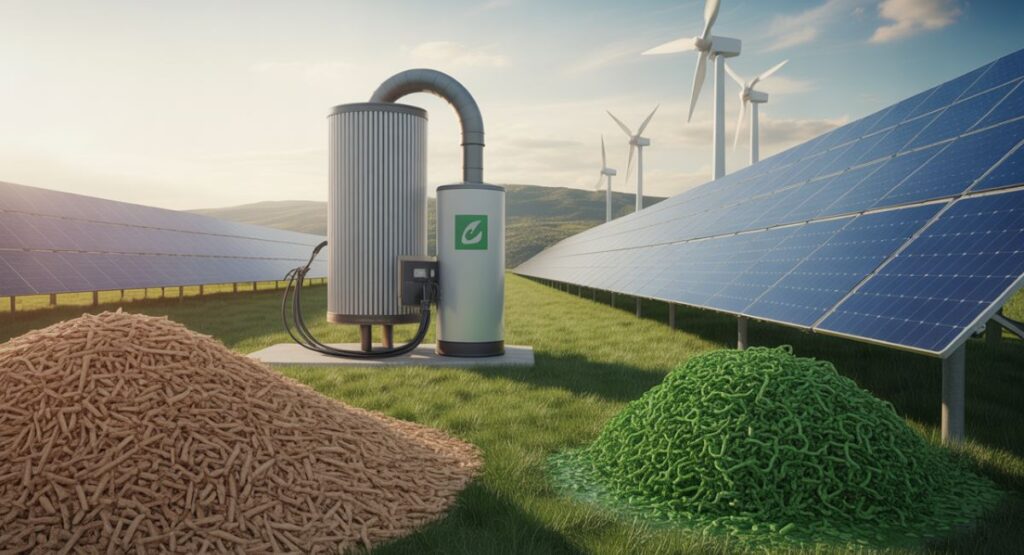
Understanding how each source works, along with its benefits, limitations, and real-world applications, helps both individuals and businesses make smarter energy choices. Whether for homes, communities, or industries, renewable energy is transforming the way we power our world.
This guide not only presents the primary types of renewable energy sources but also explains what renewable energy is, its renewable energy definition, and how these technologies contribute to a greener, more sustainable planet. By the end, you’ll have a clear view of practical renewable energy examples and how they are shaping the global shift toward clean power.
What Are Renewable Energy Sources?
The renewable energy meaning describes energy from natural processes that are constantly replenished, making these renewable energy sources sustainable alternatives to fossil fuels. They are sometimes referred to as alternative energy sources or green energy, and unlike fossil fuels, they produce minimal emissions, thereby protecting the environment and human health. These sources include sunlight, wind, water, geothermal heat, and biomass. By using renewable energy, households and businesses can reduce carbon emissions, save on energy bills, and contribute to energy sustainability.
The Main Types of Renewable Energy Sources
This section outlines the types of renewable energy that power homes, businesses, and industries around the world. The most common are solar energy, wind energy, hydropower, geothermal energy, tidal energy, and biomass energy. These sources are increasingly integrated into renewable power generation plans in the U.S., allowing homes and businesses to transition to clean energy technologies.
[Table comparing types of renewable energy with examples, efficiency, and applications]
How Do Different Renewable Energy Sources Work?
Here are real renewable energy examples and how they are used in the modern world.
Solar Energy
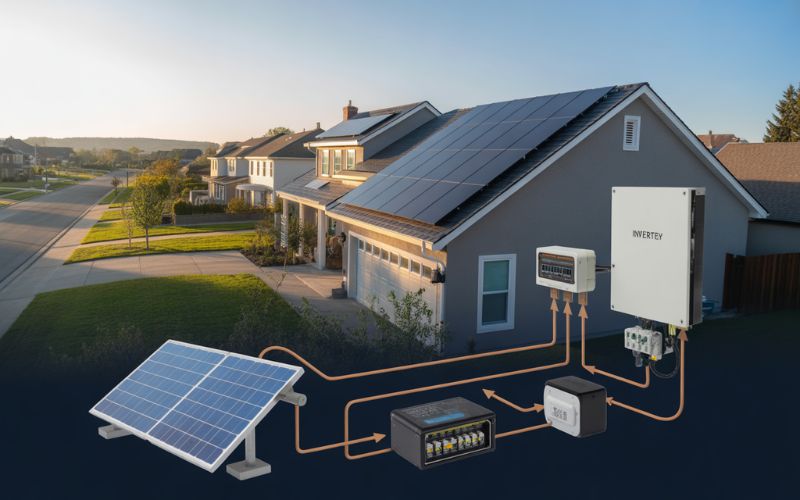
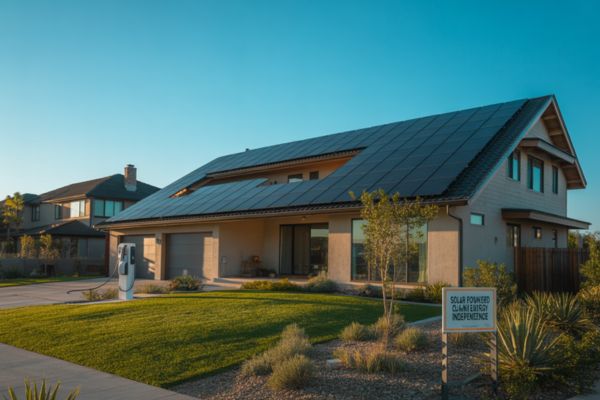
Residential solar panels produce clean, renewable power for American homes.
In the list of renewable energy sources, solar energy stands out because it’s captured via photovoltaic (PV) panels or solar power systems that convert sunlight into electricity. These systems can power homes, businesses, and even large-scale solar farms. Efficiency depends on sunlight intensity, location, and time of year. Surplus energy can be stored in energy storage batteries for later use, increasing renewable electricity availability.
More info: National Renewable Energy Laboratory
Wind Energy
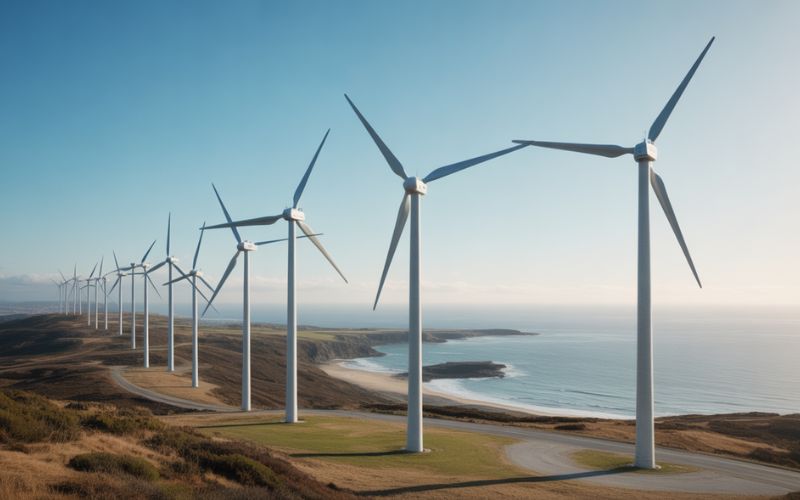
Wind turbines convert wind flow into mechanical energy, generating electricity efficiently. Wind farms can be onshore or offshore, providing large-scale renewable electricity, while small turbines can supplement home energy. Wind energy is one of the fastest-growing renewable energy sources in the U.S., driven by declining turbine costs and increasing efficiency.
Learn more from the American Wind Energy Association
Hydropower
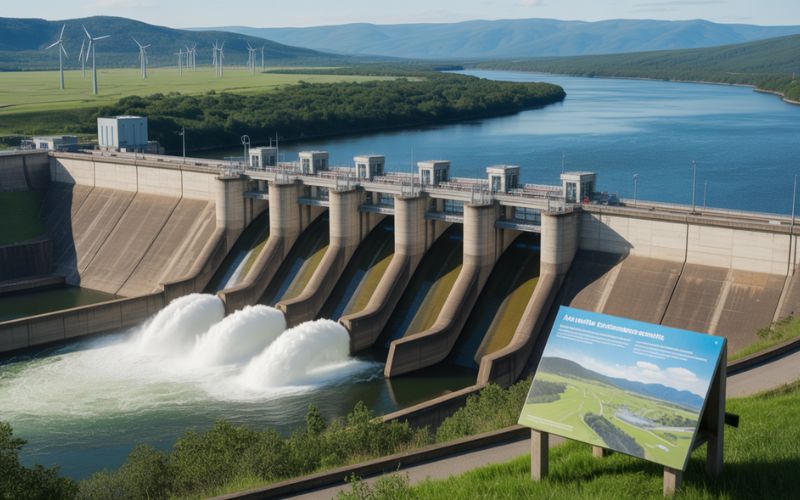
Hydroelectric power uses flowing water to spin turbines, creating renewable electricity. This includes run-of-river systems or dams like the Hoover Dam. Hydropower is highly efficient (up to 90%) and reliable, capable of providing 24/7 energy. It also offers flood control, irrigation, and local water supply benefits.
Tidal Energy
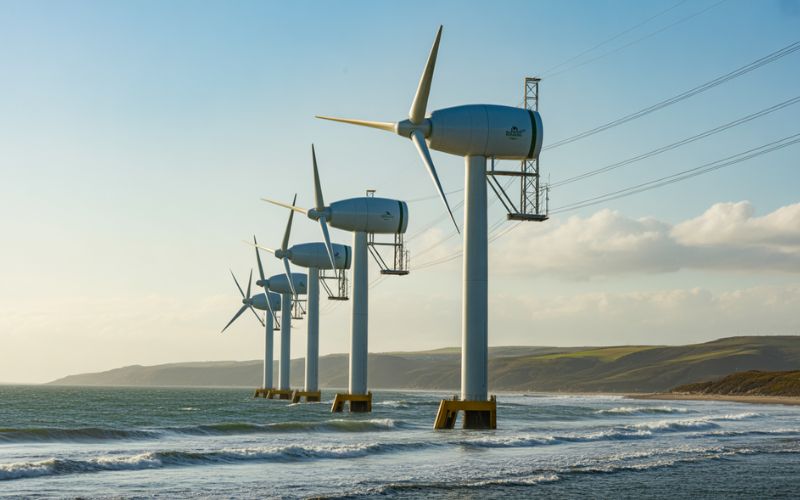
Tidal currents drive turbines in coastal areas, producing predictable renewable electricity. Tidal energy supports local grids in towns and cities near the ocean. Though less common than wind or solar, tidal energy is a promising clean energy option for coastal communities.
Learn more: European Marine Energy Centre
Geothermal Energy
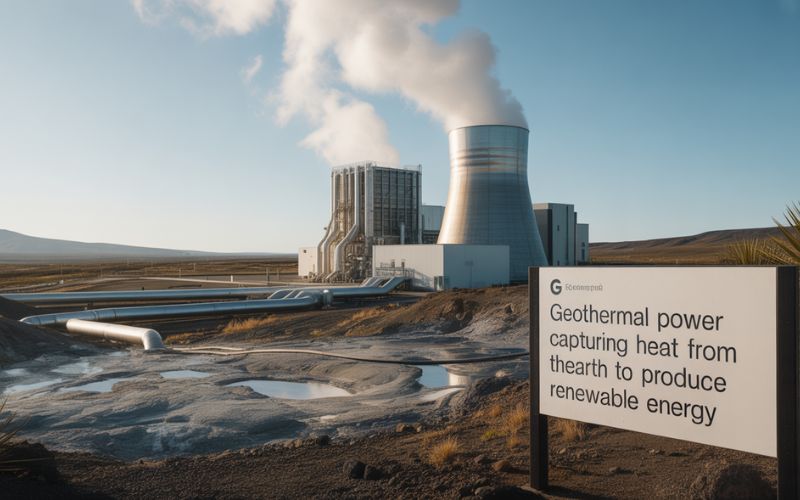
Geothermal power plants capture heat from beneath the Earth’s crust. Steam drives turbines, producing electricity, and geothermal heat pumps can directly warm homes. This source is reliable, with low carbon emissions, and works best in areas with geothermal reservoirs.
Biomass Energy
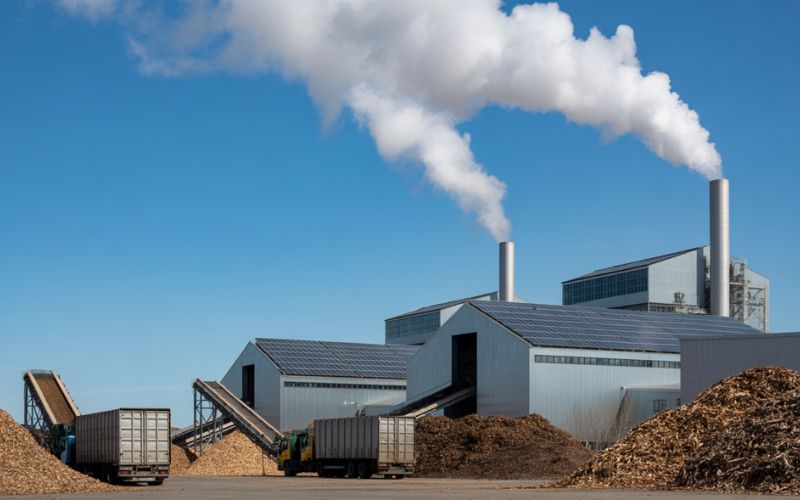
Biomass fuel is created from organic materials like agricultural waste. Burning biomass generates electricity or methane gas, making it a cost-effective renewable energy source. It also reduces waste and creates local renewable energy jobs, supporting the renewable energy economy.
Benefits of Renewable Energy Sources
The list of renewable energy sources offers major benefits, including reduced carbon emissions, energy sustainability, and improved public health. Renewable energy can cut household costs and offer long-term energy security. Additionally, renewable energy jobs boost the economy, while large-scale clean energy infrastructure supports reliable renewable power generation.
Learn more from the Environmental Protection Agency
Challenges and Limitations of Renewable Energy
While promising, renewable energy faces challenges. Intermittency, high initial costs, and geographic limitations can limit effectiveness. Storage solutions and grid upgrades are essential for widespread adoption, and not all areas can harness resources like wind, solar, or geothermal efficiently.
What Is the Most Efficient and Reliable Renewable Energy Source?
Hydropower leads in efficiency, with nearly 90% energy conversion. Wind energy is fast-growing, reaching peak efficiency of 50% in ideal conditions. Nuclear power remains the most reliable for consistent output, but renewable electricity from hydropower, wind, and solar continues to grow in production and adoption.
Using Renewable Energy at Home
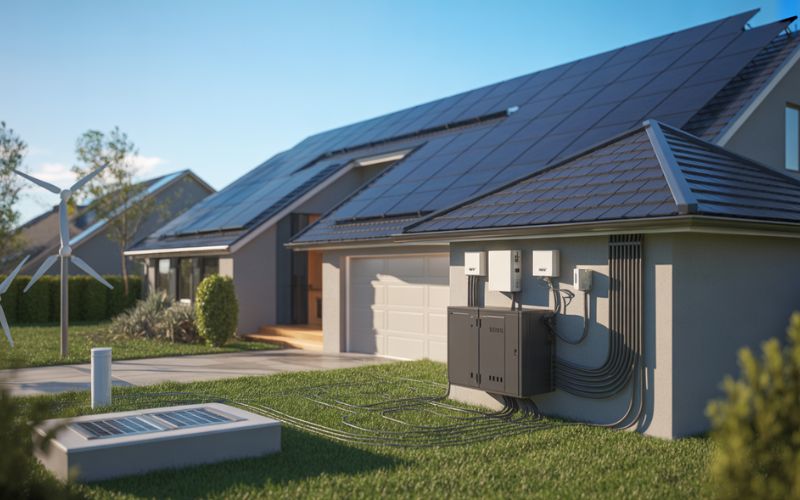
From the list of renewable energy sources, homes can use solar panels, small wind turbines, or biomass systems for electricity and heating. Energy storage batteries maximize the benefits of these renewable sources. Switching to a renewable energy plan from providers like Inspire Energy Plan allows access to 100% clean energy without large installation costs.
Global and U.S. Role in Renewable Energy Adoption
In the U.S., renewable energy represents nearly 20% of electricity generation, with solar and wind rapidly growing. Globally, countries are investing in clean energy to reduce carbon emissions and combat climate change. Policies, incentives, and technological improvements continue to increase renewable energy production and market share, shaping a sustainable energy future.
More from the International Renewable Energy Agency
Real-World Renewable Energy Success Stories
- Babcock Ranch, Florida: Entire town powered by solar energy.
- Samsø, Denmark: A Small island achieving 100% renewable electricity through wind and solar.
- Itaipú Dam, Brazil/Paraguay: Largest hydroelectric project globally.
These examples demonstrate how renewable energy in the U.S. and globally can power communities sustainably.
The Future of Renewable Energy
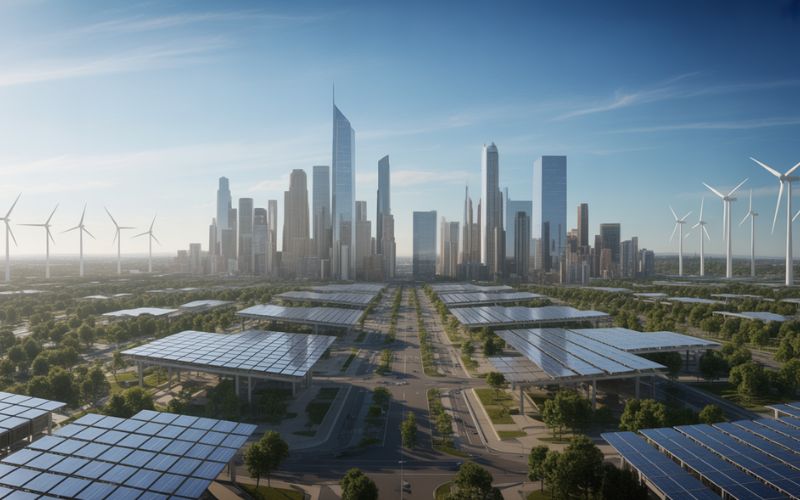
With declining costs for solar panels and wind turbines, and increasing energy storage solutions, renewable energy will continue to grow. Emerging technologies, improved grid infrastructure, and continued policy support will enhance renewable energy efficiency, making clean energy the dominant power source in decades to come.
Conclusion – Powering a Greener Tomorrow
Transitioning to options from the list of renewable energy sources reduces reliance on nonrenewable fossil fuels, mitigates climate change, and supports a robust energy economy. By using solar, wind, hydro, geothermal, and biomass energy, individuals and communities can secure a sustainable energy future while enjoying economic and environmental benefits.
Practical Tools & Resources
FAQs
What are renewable energy sources?
These include solar, wind, water, geothermal, and biomass, all examples of renewable energy sources.
What does renewable energy mean?
Renewable energy means energy from sources that won’t run out.
Q1: What are the 10 main sources of renewable energy?
A1: The 10 main sources of renewable energy are solar, wind, hydro, tidal, geothermal, biomass, wave, ocean thermal, hydrogen, and biogas.
Q2: What is the most promising renewable energy source?
A2:Solar energy is the most promising renewable energy source due to its abundance and rapidly declining costs.
Q3: Which is the cheapest renewable energy?
A3: Hydroelectric power is the cheapest renewable energy, costing around 5 cents per kilowatt-hour.
Q4: Who has 100% renewable energy?
A4: Countries like Iceland and Costa Rica have achieved a near or full renewable electricity supply.
Q5: What is the least harmful renewable energy source?
A5: Wind energy is the least harmful renewable energy source, producing no emissions and minimal environmental impact.

Welcome to Renewable Energy! I’m Adnan, Owner, Admin, and Author of this Website.