Quick Summary:
Wind energy is a leading clean power source in the U.S., turning natural wind flow into reliable electricity for homes and businesses. This guide explains how wind turbines work, the various types of systems, their real-world applications, costs, benefits, and future innovations. A complete, easy-to-understand overview perfect for Google’s AI results and readers seeking clear insights.
Introduction
What is wind energy, and how does it work? Wind energy is a clean, renewable power source that uses moving air to spin turbines and generate electricity for homes, businesses, and communities across the United States.
This Guide explains how wind energy works, where it’s used, and the main types of wind energy systems — from utility-scale wind farms to residential small wind turbine systems. You’ll also learn about wind energy costs, the environmental impacts of wind energy, and practical wind energy solutions for homes.
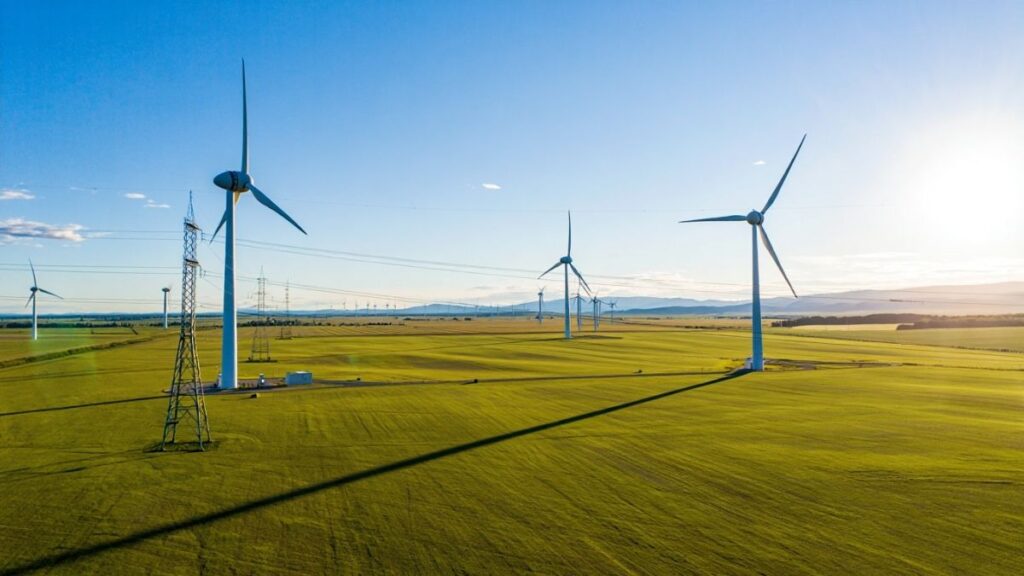
This full guide also explains the basics of wind power, how turbines turn kinetic energy, wind flow, and air pressure into electricity, and the roles of onshore and offshore wind systems in America’s energy mix. You’ll learn how wind turbines operate, where they’re installed, the costs and benefits, real-world uses, environmental impacts, and the latest innovations shaping the future of this growing clean energy technology.
What Is Wind Energy?
Wind energy is the power we generate from moving air. When wind flows across the blades of a turbine, it turns kinetic energy into electrical power. This simple idea forms the foundation of renewable wind energy, which is now one of the most affordable and widely used forms of electricity from renewable sources in the U.S.
Because it relies on natural wind flow, wind energy is clean, sustainable, and technically unlimited. Many households and businesses prefer it because it reduces dependence on fossil fuels and supports the nationwide renewable energy transition. The United States alone has over 154 GW of installed wind capacity, making it one of the world’s largest producers.
In short, wind energy is a renewable resource that converts kinetic wind energy into electricity using a generator in wind turbine systems
Basic Meaning of Wind Energy and Why It Matters
Wind energy matters because it provides affordable, local, and pollution-free electricity. It helps the U.S. lower carbon emissions, supports energy security, and powers millions of homes using a natural resource that never runs out.
Is Wind Energy Renewable and Sustainable in the U.S.?
Wind is constantly replenished by the sun’s heating of Earth’s surface. Because of this natural cycle, wind power generation is considered one of the most sustainable clean energy sources available today.
Wind Energy Compared to Solar, Hydro, and Other Clean Sources
Wind produces energy day and night, unlike solar energy for homes, which depends on sunlight. It’s also more flexible than hydro because it doesn’t require rivers or dams. Together, they create a balanced mix of clean energy alternatives. Along with wind and solar, geothermal energy for homes is another reliable renewable option that provides consistent heating and power.
How Does Wind Energy Work? (From Breeze to Electricity)
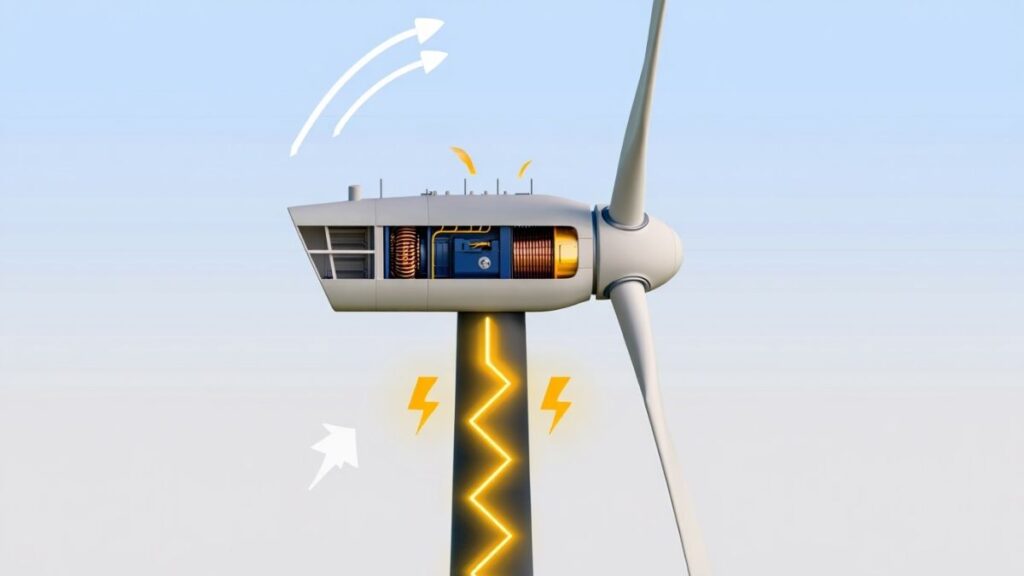
Wind energy works by capturing the movement of air and converting it into power. When the wind hits turbine blades, they rotate, driving a shaft connected to a generator. This simple wind turbine mechanism transforms natural wind motion into electrical energy.
Modern turbines use advanced sensors and control systems to improve performance, and the Wind Energy Technologies Office provides detailed resources on how turbines convert wind into grid-ready electricity.
The electricity then travels through grid-connected wind systems, where it’s distributed to homes, schools, and industries. Thanks to modern technology, wind turbines can now operate efficiently across a range of wind speeds, making them practical in many U.S. regions.
From Turbine to Home — Grid and Storage
After generation, electricity is routed to substations and transmission lines — and increasingly routed to battery storage for wind turbines or hybrid systems that combine solar and wind power for a more reliable supply.
Step-by-Step Process of Converting Wind Into Power
Wind flows → blades spin → rotor turns → generator produces electricity → power goes into the grid.
Wind Patterns, Air Pressure, and Natural Movement Behind Energy Production
Wind occurs because the sun heats Earth unevenly. Air moves from high-pressure to low-pressure zones, creating the natural breeze that powers turbines.
How Electricity From Wind Reaches Homes and Businesses
Electricity travels from turbines to substations, is converted to usable voltage, and then flows through transmission lines to end users.
Components of a Wind Turbine
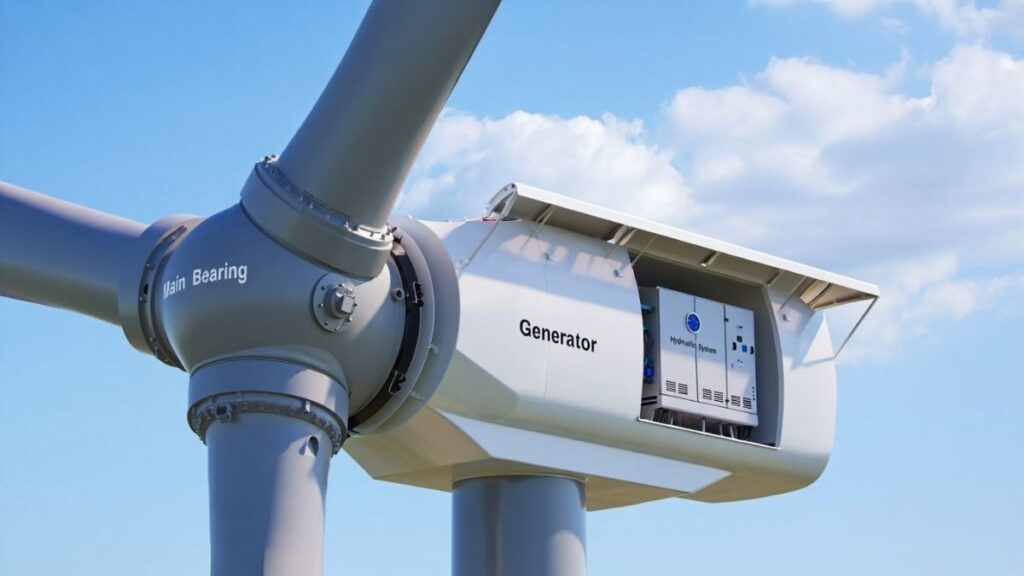
Every wind turbine contains several key parts that work together to convert wind flow and kinetic energy into usable power. The blades capture wind, the rotor spins, and the generator produces electricity. Understanding these elements helps explain how wind turbines work in simple terms.
Modern turbines have improved aerodynamics, allowing them to operate quietly and efficiently. These design upgrades support better wind energy efficiency, longer lifespans, and easier maintenance.
Blades, Rotor, and Nacelle Explained Simply
The blades catch the wind, the rotor turns with them, and the nacelle houses the gearbox and generator.
Gearbox, Generator, and Control Systems
The gearbox increases rotational speed, while the generator makes electricity. Control systems adjust blade angles for safety and performance. The generator used in a wind turbine converts rotary motion to electric power; control systems include pitch and yaw controls that maximize output and protect the system during high winds.
Common components:
- Blades
- rotor
- nacelle
- gearbox
- A generator used in a wind turbine
- tower
- foundation
- control systems
Tower, Foundation, and Safety Systems
The tall tower maximizes wind exposure, the foundation anchors the structure, and sensors ensure safe operation.
Types and Locations of Wind Turbines
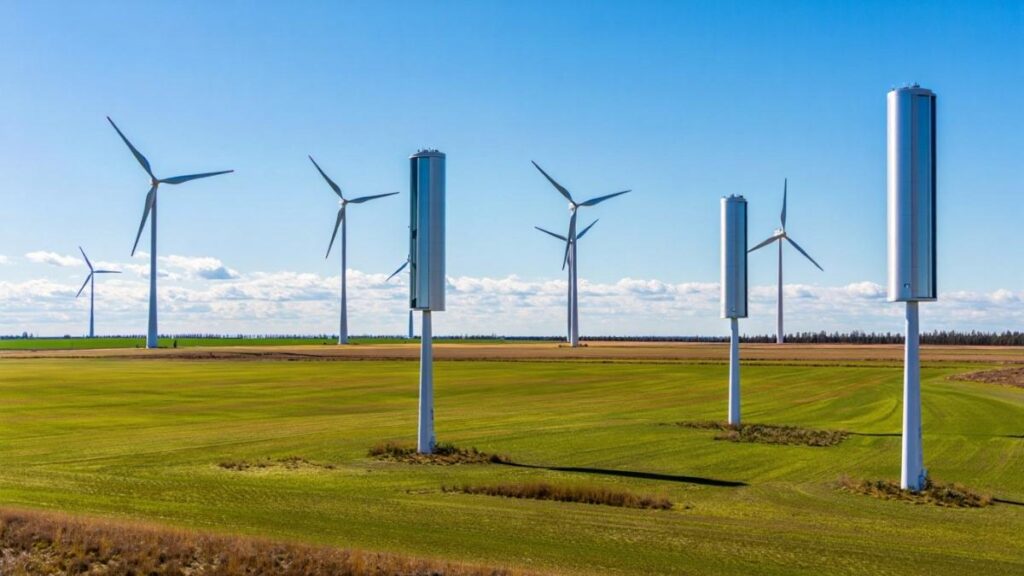
Wind turbines come in different shapes and sizes based on where they’re used. The most common is the horizontal-axis wind turbine, but the vertical-axis wind turbine is also used for smaller or urban settings.
Choosing the right location is essential for a strong wind energy production process. Areas with wide, open landscapes or coastal winds are typically the best for consistent output.
Horizontal vs. Vertical Axis Turbines
Horizontal turbines are efficient and widely used; vertical turbines work better in unpredictable wind conditions. Horizontal-axis wind turbines are the most common for utility and residential use; vertical-axis wind turbine designs are often used for rooftop wind turbines for homes or low-profile urban installations.
Onshore Wind Turbines Across U.S. States
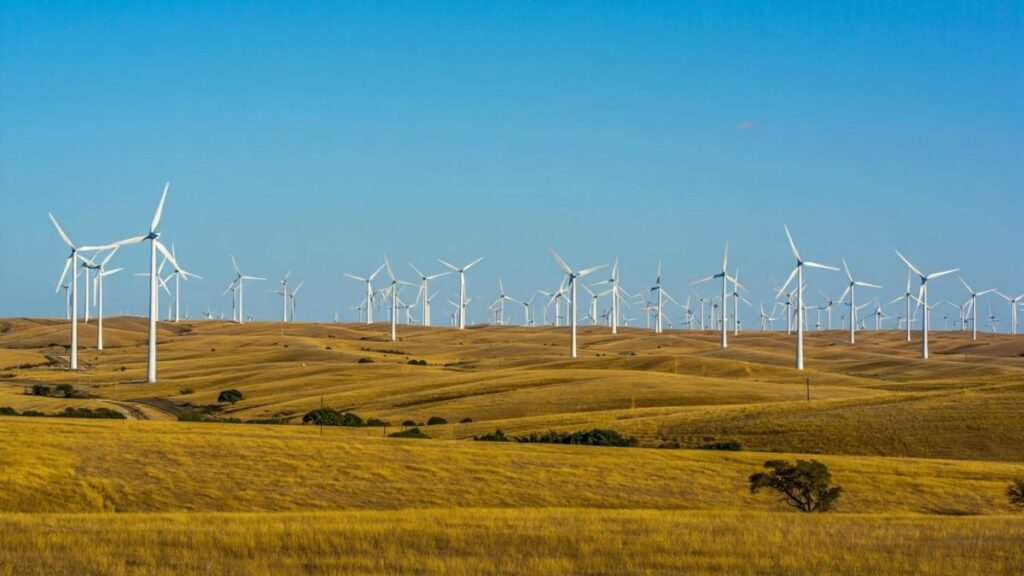
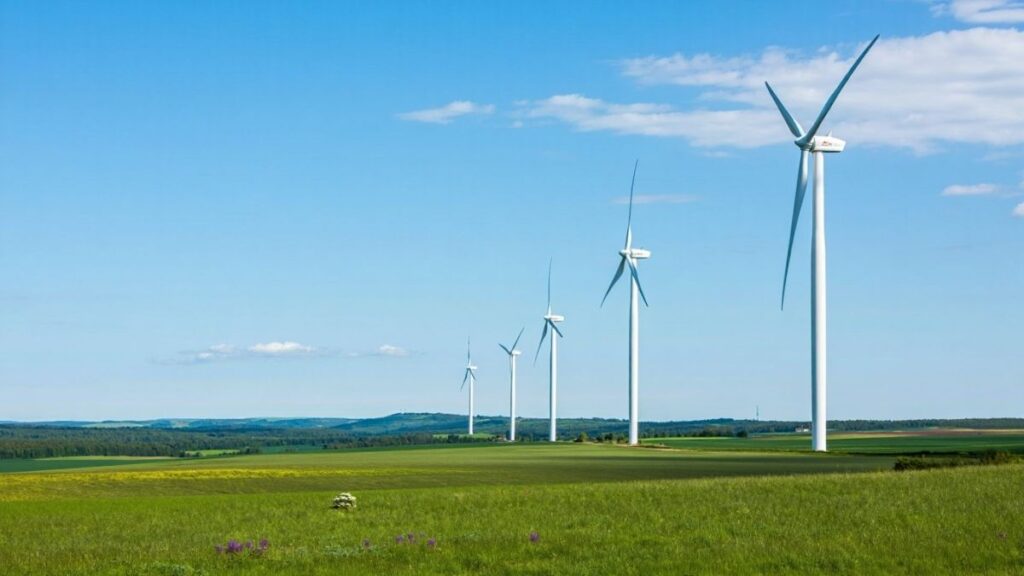
Onshore turbines are common in states like Texas, Iowa, and Oklahoma, where open land and strong wind resources make onshore wind energy cost-effective. Onshore installations remain the backbone of U.S. wind energy, with many utility-scale wind farms in Texas and the Midwest producing affordable electricity.
Offshore Wind Turbines in U.S. Coastal Regions
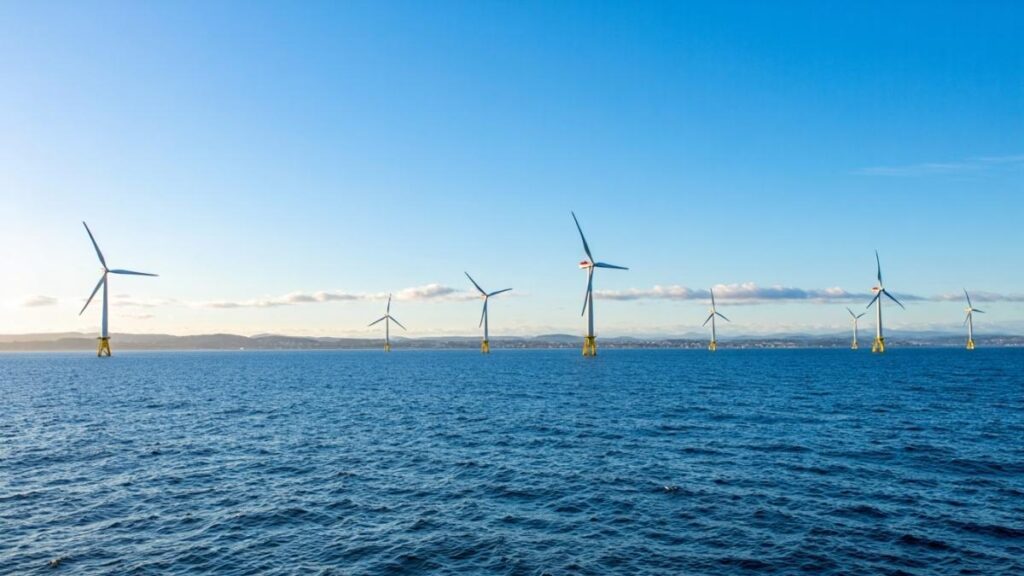
Offshore wind farms benefit from steady ocean winds. Interest is rising along the East Coast, supported by new federal funding. Offshore projects are expanding rapidly — these offshore wind energy farms deliver higher capacity factors and are critical to the future grid.
Main Types of Wind Energy Systems
Wind energy systems range from large-scale farms powering entire cities to small turbines used by individual homes. This flexibility is why wind energy fits so many communities and economic sectors.
Utility-scale systems produce large amounts of wind turbine electricity, while community wind energy projects empower local groups to invest in shared clean energy resources.
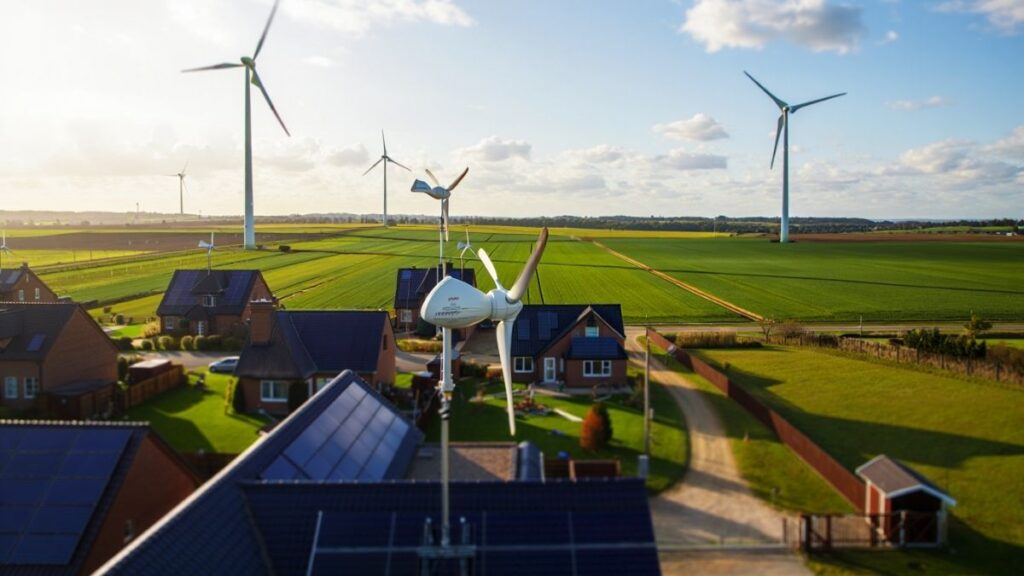
Wind systems range from utility-scale systems powering cities to community and distributed wind energy projects, and small wind turbine systems for homes, which are suitable where wind speeds and zoning allow.
Some remote regions use wind systems alongside biomass renewable energy to meet local energy needs.
Utility-Scale Wind Farms
These massive farms cover wide areas and can power thousands of households at once.
Community and Distributed Wind Energy
Local communities install smaller systems to reduce costs and improve energy independence.
Residential and Small Wind Turbine Systems
A small wind turbine system can support a home or farm when wind speeds and local zoning are favorable.
How Is Wind Energy Used in Real Life?
Wind energy supports millions of Americans through daily electricity use. It powers homes, businesses, schools, and public services. Many corporations now use wind to meet sustainability goals and reduce long-term energy costs.
Businesses and homeowners can choose home wind turbine systems or purchase wind-backed green plans; many also combine solar and wind power to stabilize supply.
Rural and remote communities benefit greatly from wind systems because they reduce dependence on expensive fuel imports. In isolated areas, wind often replaces diesel generators entirely.
Powering Homes, Businesses, and Schools
Wind feeds electricity into regional grids that supply everyday power for essential needs.
Serving Remote and Rural Communities
These areas rely on wind to stabilize energy costs and ensure reliable access.
Wind Energy Use by Large Corporations and Industries
Many companies purchase wind energy credits to meet climate targets.
Advantages of Wind Energy (Why It’s So Popular)
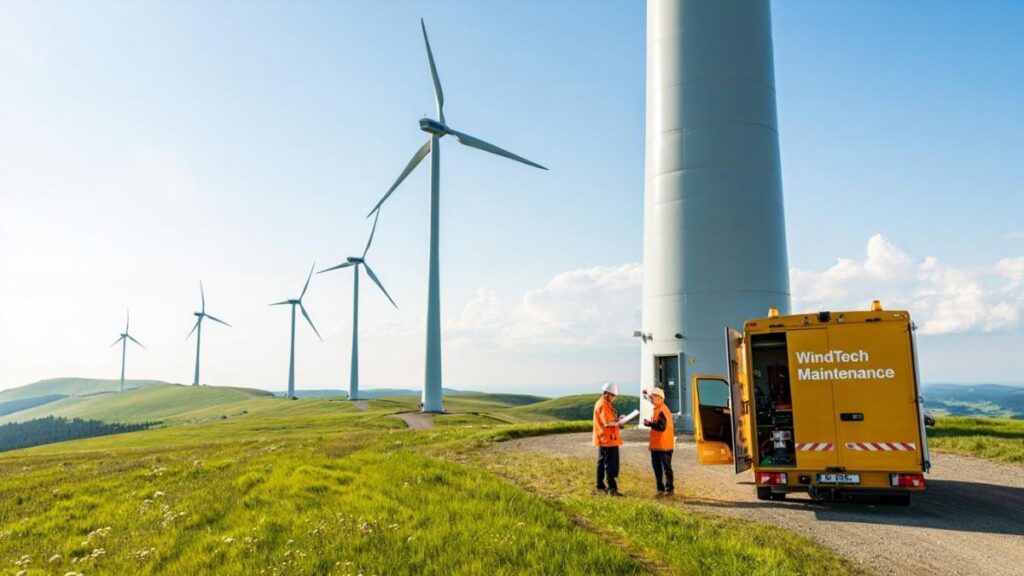
Wind energy offers several strong advantages: it’s clean, renewable, and increasingly affordable. As the U.S. boosts its climate goals, the advantages of wind energy become even more relevant for policy and economic growth.
The industry also creates thousands of jobs in construction, maintenance, and engineering. Regions with large wind installations often see boosts in local revenue and landowner income.
Advantages include job creation, long-term cost stability, and status as a clean energy source — making wind energy a renewable energy cornerstone
Environmental Benefits and Clean Power
Wind produces no direct emissions, supporting wind energy sustainability goals.
Economic Growth and Job Creation Across the U.S.
The sector fuels manufacturing, maintenance, and technology jobs nationwide.
Affordable Energy and Long-Term Cost Stability
Wind helps keep electricity prices steady by reducing reliance on fossil fuels.
Challenges and Environmental Impacts of Wind Energy
While wind energy offers many benefits, it also faces real challenges. These include intermittency, land-use questions, wildlife protection, and community acceptance. However, ongoing improvements help reduce these issues.
Modern turbines are quieter, safer for wildlife, and more efficient. Engineers continue examining wind energy environmental impact data to guide better turbine placement and operation.
- Intermittency is commonly addressed with battery storage for wind turbines or hybrid solar wind systems.
- Wildlife concerns have led to radar shutoff systems and better siting studies to protect birds and habitats.
Intermittency and What Happens When Wind Slows Down
Wind doesn’t blow constantly, but storage systems help balance the power supply.
Wildlife, Habitat, and Bird Protection Efforts
Better turbine placement and radar shut-off systems reduce bird interactions.
Noise, View Concerns, and Local Community Issues
Noise levels of wind turbines are lower in modern designs, improving acceptance.
Wind Turbine Waste, Recycling, and End-of-Life Solutions
Recycling programs now repurpose blades into construction materials.
Wind Energy Costs and Electricity Prices Explained
Wind has become one of the cheapest forms of new electricity in the U.S. Wind energy cost varies depending on turbine size, location, and maintenance needs, but long-term expenses remain low. This makes wind an attractive choice for utilities and homeowners.
Wind also impacts electricity prices. Areas with significant wind capacity often see more stable and lower wholesale prices, benefiting consumers and businesses.
When evaluating projects, consider wind power cost per kWh and local incentives such as the Production Tax Credit (PTC). For small systems, compare the cost to install a home wind turbine vs. the expected output.
Upfront and Long-Term Costs of Wind Power
Large wind farms cost more initially but pay off over decades due to low fuel expenses.
How Wind Energy Affects Electricity Prices in the U.S.
Wind lowers peak demand costs, creating long-term savings.
Government Incentives and Federal Tax Credits
Policies such as the Production Tax Credit (PTC) and Investment Tax Credit (ITC) make wind projects more affordable.
Costs for Homeowners Considering a Small Turbine
Homeowners must consider wind speeds, zoning rules, and installation costs.
The Future of Wind Energy and New Innovations
Global wind energy growth is accelerating. By June 2025, total capacity reached 1,245 GW, a 13.5% increase from the previous year. China added nearly 80 GW in 2024 alone, accounting for over two-thirds of global growth. The U.S. remained a major leader with 154 GW installed.
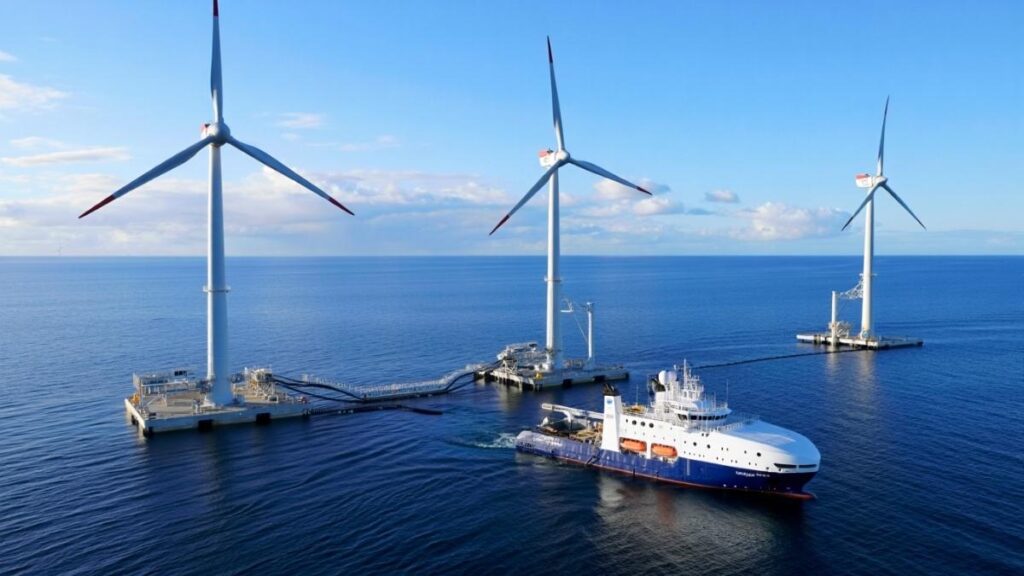
Offshore wind is growing even faster, expanding at a 34.4% CAGR, driven by floating offshore wind turbines and better grid integration.
New turbine designs, floating platforms, and AI-driven maintenance systems are becoming standard features, supported by ongoing NREL wind research that highlights breakthroughs in performance and sustainability.
- Emerging solutions include floating turbines, AI-driven predictive maintenance, and better wind turbine recycling practices to tackle end-of-life waste.
- Better storage and hybrid solutions (solar + wind) will reduce the impact of intermittency.
Large-Scale Offshore and Floating Wind Farms
Floating platforms unlock deeper waters with higher wind speeds.
AI, Sensors, and Smart Turbine Technology
AI predicts maintenance needs and improves turbine performance.
Better Storage Solutions for Wind Intermittency
Battery systems help store excess wind power during strong wind periods.
Modern Blade Design and Recycling Advancements
Lighter composite materials improve performance and reduce waste.
How You Can Support or Use Wind Energy in Daily Life
Consumers have more ways than ever to participate in the clean energy movement. Many U.S. electric companies now offer green energy plans that include wind. Choosing these options helps support long-term development and encourages utilities to invest in cleaner grids.
Communities can also invest in shared wind projects. These allow residents to benefit from local energy production while improving resilience and lowering regional carbon emissions.
Choosing a Green Energy Plan in the U.S.
Most major utilities offer wind-supported options for homeowners.
Joining Community Wind Energy Programs
Shared wind projects make renewable energy affordable for groups.
Considering a Residential Wind System
A small turbine suits homes in windy, rural areas with enough land.
Everyday Actions That Encourage Clean Energy Growth
Supporting renewable policies and reducing home energy use make a difference.
Considering a Wind Turbine for Your Home?
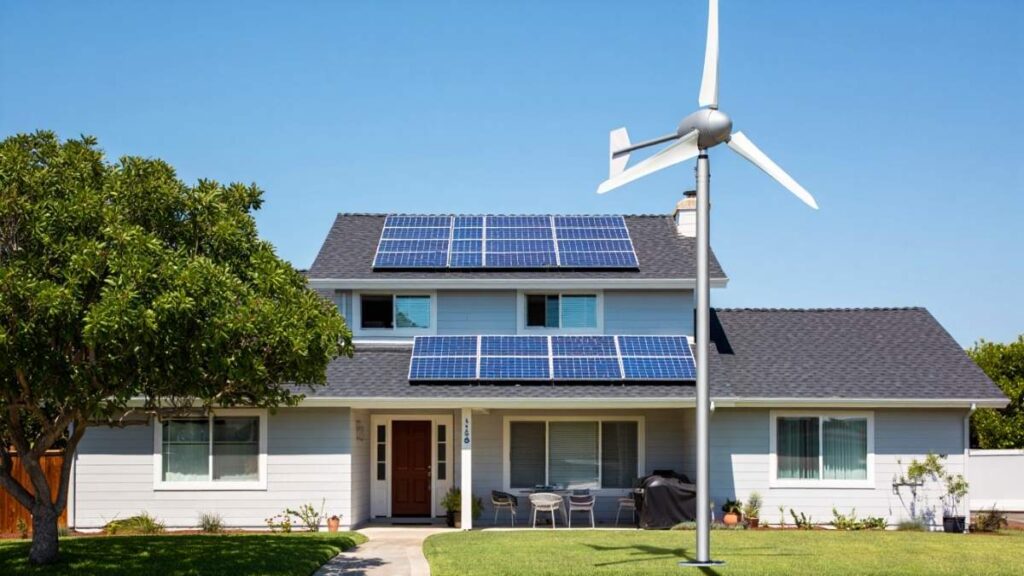
If you’re evaluating a wind turbine for home installation, check local zoning and average wind speeds. Common home options include a small wind turbine for domestic use or vertical-axis home wind turbines for rooftop installations.
Conclusion
Wind energy has become a powerful force in America’s clean energy progress. With rapid global growth, strong U.S. adoption, and impressive technological advancements, wind remains one of the most reliable and sustainable energy sources available today. It offers environmental benefits, creates jobs, stabilizes energy prices, and supports long-term national goals for clean, secure electricity.
As wind capacity continues to grow—expected to surpass 1,320 GW globally by the end of 2025—its role in shaping the future becomes even more significant. Whether through green energy plans, community programs, or simply understanding the basics, everyone can take part in supporting a cleaner, more sustainable energy future powered by the wind.
FAQs
Q: What is wind energy in simple words?
A: Wind energy is power made by using the wind to spin turbines that generate electricity.
Q: How does wind energy work?
A: Wind turns turbine blades, which spin a generator that produces electricity.
Q: What is wind energy for kids?
A: Wind energy is when moving air helps big spinning blades make electricity without pollution.
Q: What is the biggest problem with wind turbines?
A: The biggest problem is that wind doesn’t blow all the time, so energy production can vary.
Q: Is wind energy better than solar?
A: Wind is often more efficient and works day and night, while solar depends on sunlight, so the better option depends on location and energy needs.
Q: How much power does one wind turbine produce?
A: Power depends on turbine size and wind speed. The average power generated by wind turbines varies from a few kilowatts for small turbines to multiple megawatts for utility models — see our Wind Turbine Power Output article for examples.
Q: Can I add a wind turbine to my solar system?
A: Yes — many homeowners combine solar and wind power in hybrid systems. A solar wind hybrid system for the home can enhance year-round energy reliability and complement battery storage effectively.
Q: What are the costs to install a home wind turbine?
A: Costs depend on size and site conditions. For a small residential turbine, expect higher upfront costs per kW than solar, but lower long-term fuel expenses. Check local installers for quotes on the cost to install a home wind turbine.
Q: Should I buy battery storage for wind power?
A: Battery systems are recommended where grid reliability or intermittency is a concern. Look for wind turbine battery storage system options that integrate with the turbine inverter and any solar array.

Welcome to Renewable Energy! I’m Adnan, Owner, Admin, and Author of this Website.