Quick Summary:
Discover all major types of biomass energy, including solid, liquid, and gaseous forms, and how they generate electricity, heat, and biofuels. This guide explains technologies, benefits, applications, and sustainable solutions for a cleaner, greener future.
Introduction:
Types of biomass energy are diverse sources of renewable power derived from organic materials such as wood, crop residues, animal manure, and municipal solid waste. This article explores how these energy forms are converted into electricity, heat, and biofuels, highlighting solid, liquid, and gaseous options.
You’ll learn about the technologies used, including biomass boilers, gasification, and anaerobic digestion, along with practical applications in homes, industries, and farms. The article also covers key benefits like carbon-neutral fuel from organic waste, environmental considerations, and supply logistics. By the end, readers will have a complete understanding of how different sustainable biomass energy solutions power a cleaner, greener future.
For a deeper explanation of how biomass works and why it is important for the clean-energy transition, you can read our biomass renewable energy guide.
What Is Biomass Energy? (Simple Definition)
Biomass energy comes from organic materials such as wood, crop residues, manure, and municipal solid waste. These materials store solar energy through photosynthesis, making them renewable when managed responsibly. The U.S. uses biomass for heating, electricity, and fuels, supporting both rural and urban clean energy systems. These materials allow us to produce several types of biomass energy, all of which convert natural or waste resources into usable power.
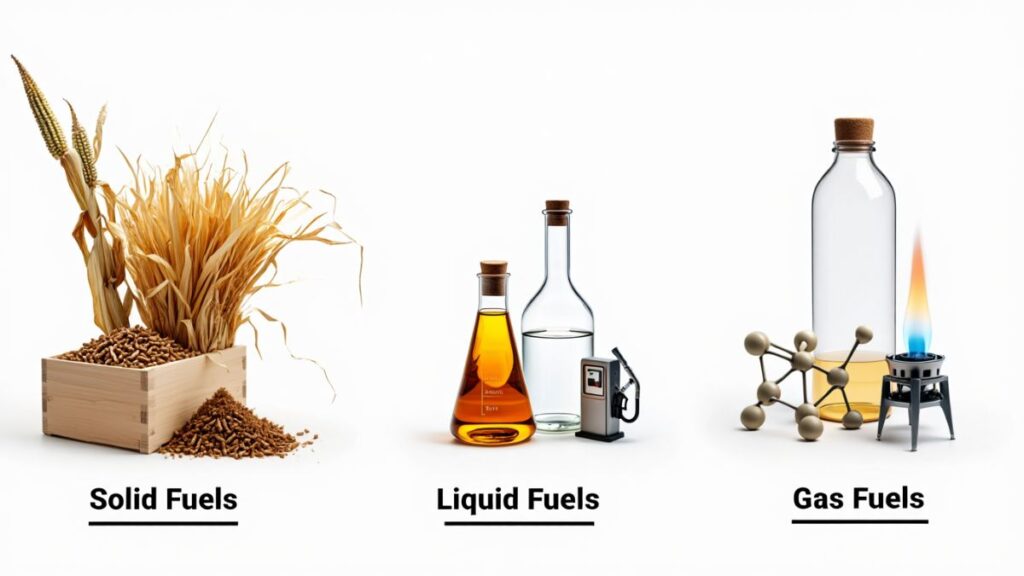
Biomass is a major part of the U.S. energy mix. It includes wood and wood waste, agricultural residues, municipal solid waste (MSW), landfill gas/biogas, and plant- or animal-based oils. These sources supply solid fuels, gases, and liquid biofuels to homes, industries, and transportation sectors
Source: U.S. Bioenergy Statistics
Main Types of Biomass Energy in the U.S.
When exploring U.S. bioenergy, it’s important to understand the main types of biomass energy and their applications in homes, industries, and transportation. There are five primary types of biomass energy: solid biomass, biogas, liquid biofuels, biomass gasification and pyrolysis technologies, and waste-to-energy systems.
Each type supports energy security, reduces landfill pressure, and provides sustainable biomass energy solutions. These different types help multiple industries, schools, hospitals, and cities adopt a green alternative to fossil fuel boilers. Because many biomass sources are local, they cut transportation costs and help stabilize fuel prices.
Solid Biomass Energy (Wood, Pellets, Briquettes & Residues)
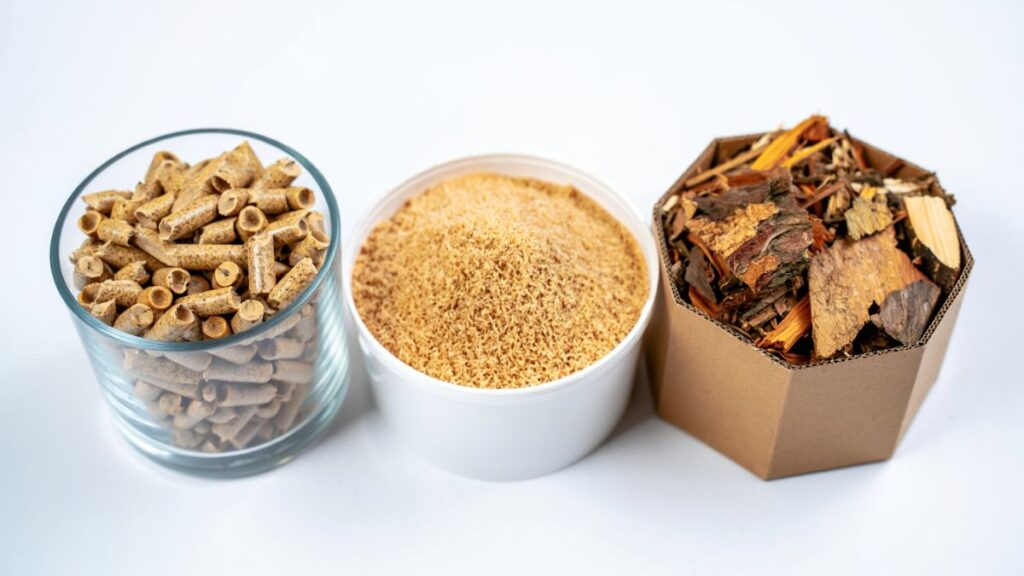
Solid biomass includes wood fuel, forestry residues, compressed straw and sawdust pellet fuels, and agricultural residues such as rice husk, straw, corn, rapeseed, and willow. These fuels power industrial biomass boiler applications, district heating systems, and commercial buildings.
The U.S. is a major global supplier of wood pellets. In August 2025 alone, the country exported almost 900,000 metric tons of wood pellets. Solid fuels are one of the primary types of biomass energy, offering high energy density and supporting both industrial and residential heating.
Source: Biomass Magazine.
Biomass Pellets and Briquettes
Pellets and briquettes have higher energy density, lower moisture content, and cleaner combustion. They are used in biomass heating for schools, hospitals, and commercial buildings. Many industries prefer pellets because they improve thermal efficiency in biomass boilers.
U.S. manufacturers produced about 950,000 tons of densified biomass fuel in July 2025 and sold over 970,000 tons
Source: U.S. EIA Biomass Data.
Biogas and Anaerobic Digestion (Manure, Landfills, Food Waste)
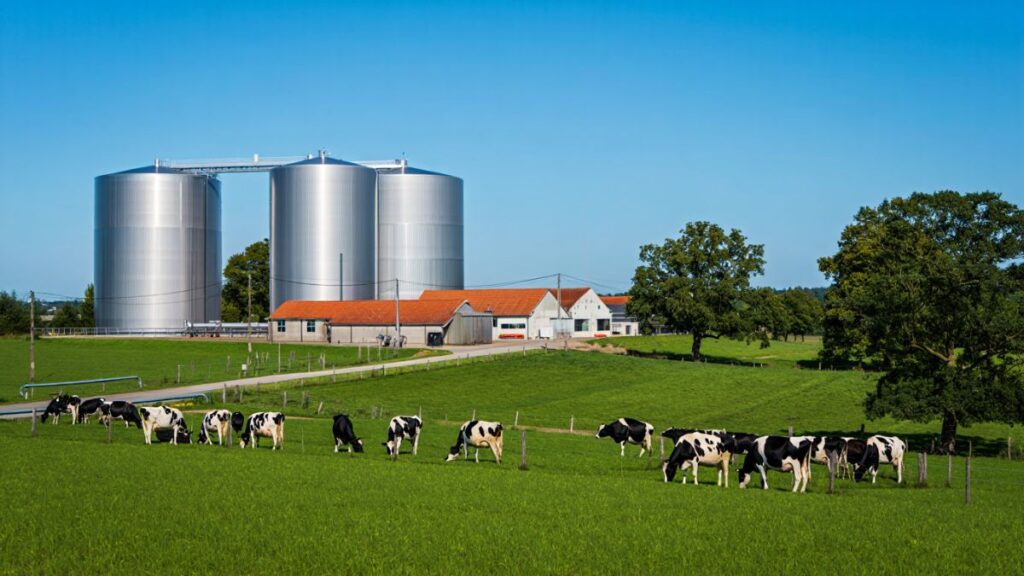
Biogas is produced from animal manure, urban organic waste, kitchen waste, and yard waste through anaerobic digestion. It contains methane, which can be used for electricity, heat, and pipeline-quality renewable natural gas (RNG). Biogas is another key form among the type of biomass energy, converting manure, food scraps, and landfill waste into electricity and heat.
Biogas helps reduce methane leaks from landfills and farms. The U.S. captures gas from manure lagoons and landfill sites, supplying clean energy to rural areas and industries
Source: World Population Review – Biomass Energy by Country.
Animal Manure and Farm Biogas
Animal husbandry waste and animal manure biogas generation support small farms and large dairies. Many rural communities use biogas for rural clean energy, reducing grid dependence and cutting energy bills.
Biogas also reduces odor and supports waste management, making it a key part of agricultural circular economy systems.
Liquid Biofuels (Ethanol, Biodiesel, Renewable Diesel)

Liquid biofuels include bioethanol, biodiesel, renewable diesel, and methanol. The U.S. is the world’s largest biofuel producer, supporting transportation, trucking, construction equipment, and hard-to-abate sectors like steel and cement. Liquid fuels are a major type of biomass energy, including ethanol, biodiesel, and renewable diesel, widely used in transportation and industrial sectors.
In 2022, the U.S. produced about 15.4 billion gallons of ethanol and 3.1 billion gallons of biodiesel/renewable diesel
Source: U.S. Bioenergy Statistics.
Biofuel Growth in 2026–2027
EPA policy updates are projected to increase biomass-based diesel production and feedstock demand in 2026–27. These policies encourage using vegetable oils, animal fats, and waste oils as cleaner alternatives to petroleum diesel
Source: farmdocdaily – Revised RFS Outlook 2027.
Waste-to-Energy (Municipal Solid Waste & Urban Biomass)
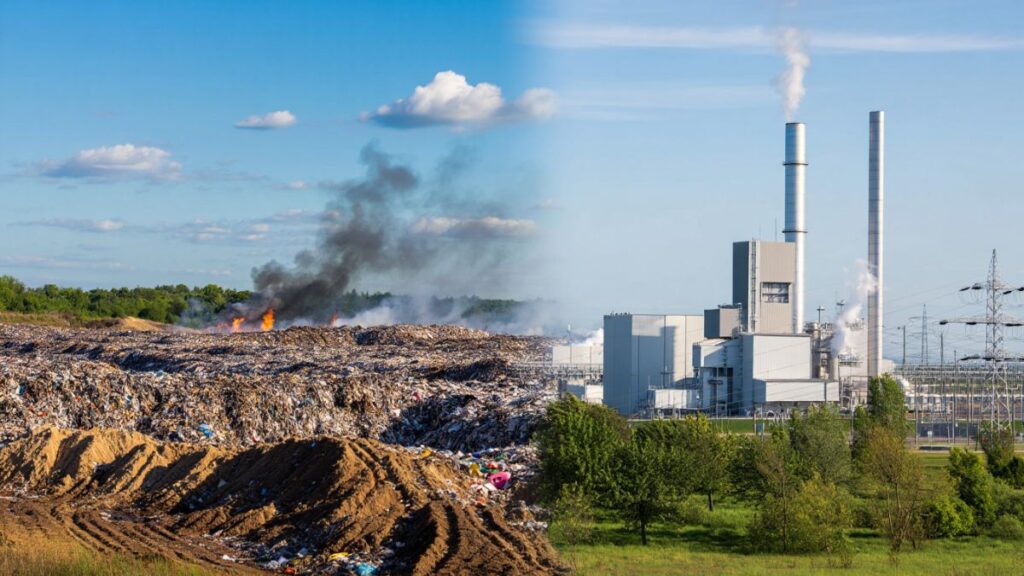
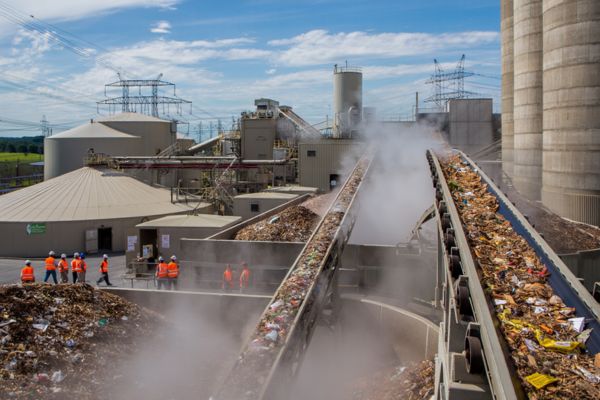
Waste-to-energy (WtE) uses the biogenic portion of municipal solid waste — including construction wood waste, paper, cardboard, and food scraps — to produce electricity and heat. This reduces landfill pressure and supports circular economy goals.
The U.S. burns or gasifies MSW to generate energy and reduce waste volume. WtE plants often operate near cities for short-distance feedstock logistics under 50 miles, minimizing transport emissions. WtE plants represent an important part of the types of biomass energy, turning municipal solid waste into electricity while reducing landfill pressure.
Advanced Conversion: Gasification & Pyrolysis
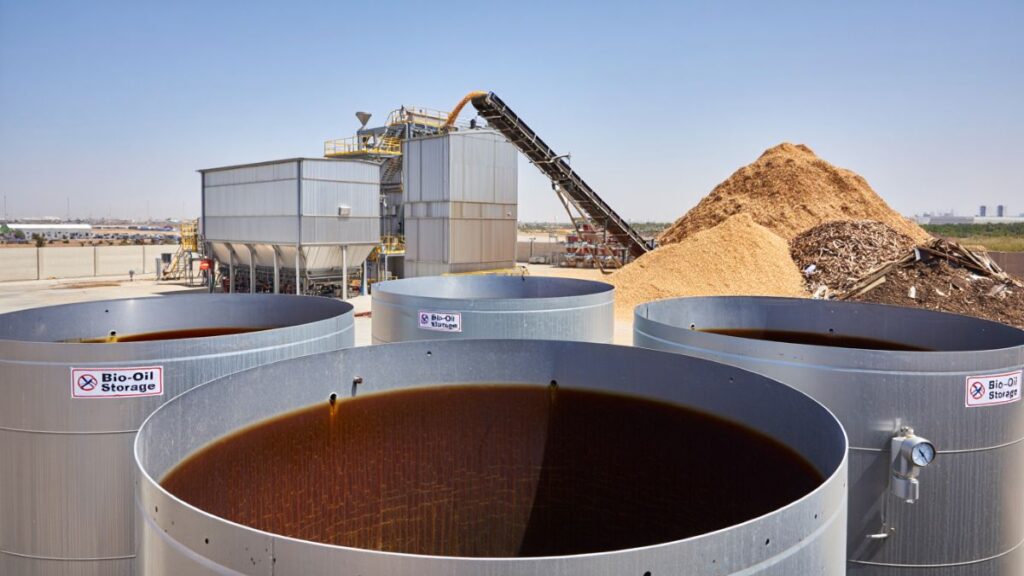
Biomass gasification and pyrolysis technologies convert solid biomass into syngas, bio-oil, and biochar. These systems supply high-temperature process heat for the chemical industry, textile industry, food processing, and district heating. Advanced systems like gasification and pyrolysis expand the list of types of biomass energy, producing syngas, bio-oil, and biochar for industrial applications.
Gasification supports industrial steam supply and deeper decarbonization. Pyrolysis oils can replace fossil fuel oils in boilers, helping industries cut emissions and meet GMP standards in pharmaceutical manufacturing.
Advanced systems such as gasification and pyrolysis are shaping the next phase of clean energy. You can explore emerging innovations in our detailed article on the future of biomass energy production.
Industrial Biomass Boilers and Applications
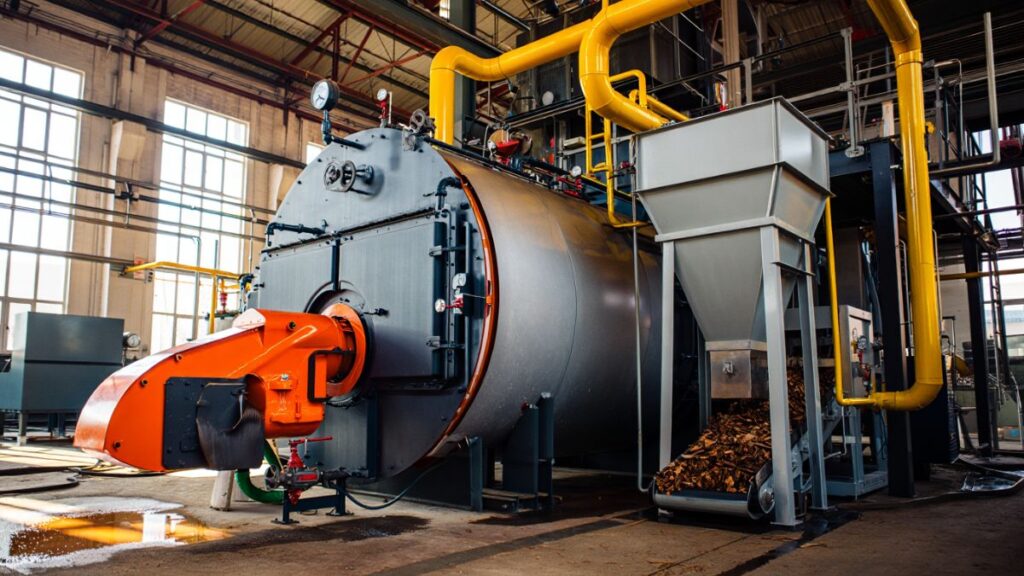
Many industries use biomass boilers to produce steam, hot water, or heat transfer oil. These systems replace expensive fossil fuels and stabilize operational costs. Industries like the paper industry, building materials industry, agricultural processing, and aquaculture rely on biomass steam. Industrial boilers can process multiple types of biomass energy, from wood pellets to liquid biofuels, supporting steam, hot water, and process heat.
Some advanced systems use flue-gas treatment, including desulfurization, denitrification, electrostatic precipitators, and bag filter systems to meet strict U.S. emissions regulations.
Benefits of Using Biomass Energy in the U.S.
Biomass supports employment creation, rural development, and local manufacturing. It also strengthens energy security because feedstocks come from farms, forests, and cities — not imports. These benefits apply across all types of biomass energy, especially when the fuel is sourced locally and sustainably.
Biomass also helps meet climate goals by replacing fossil fuels in heating, electricity, and transportation. Many industries use biomass as a green alternative to fossil fuel boilers.
Biomass brings economic, environmental, and energy-security advantages to U.S. communities and industries. You can learn more about these advantages in our full guide on the benefits of biomass energy.
U.S. Biomass Energy Data Summary (2025)
| Biomass Category | Latest U.S. Data | Source |
| Wood Pellet Exports | ~900,000 tons (Aug 2025) | Biomass Magazine |
| Densified Biomass Production | 950,000 tons (Jul 2025) | U.S. EIA |
| Biomass Power Generation | 20.3 billion kWh expected in 2025 | EIA Forecast |
| Ethanol Production | 15.4 billion gallons (2022) | USDA Bioenergy Stats |
| Biodiesel + Renewable Diesel | 3.1 billion gallons (2022) | USDA |
| Renewable Share of U.S. Electricity | 24% in 2025 → 26% in 2026 | EIA |
Final Thoughts: Why Biomass Energy Still Matters
Despite a decline in biomass electricity generation, biomass remains vital for waste-to-energy, renewable fuels, and industrial heating. It supports energy security, reduces waste, and offers stable baseload energy that wind and solar cannot provide alone.
As the U.S. moves toward decarbonization, all types of biomass energy — from pellets to biogas — will continue supporting economic growth, rural jobs, and the clean energy transition. As technology advances, all types of biomass energy will remain vital in supporting clean energy, rural development, and the U.S. renewable transition.
FAQs
Q1: What are the 5 main types of biomass energy?
A1: The 5 main types of biomass energy are wood and forestry residues, agricultural residues, animal manure, municipal solid waste, and energy crops.
Q2: What are the types of bioenergy?
A2: The main types of bioenergy include solid biomass, biogas, liquid biofuels, waste-to-energy, and advanced bioenergy from gasification or pyrolysis.
Q3: What are the 7 main energy sources?
A3: The 7 main energy sources are coal, oil, natural gas, nuclear, solar, wind, and biomass.
Q4: What are the 4 types of fossil fuels?
A4: The 4 types of fossil fuels are coal, crude oil, natural gas, and peat.

Welcome to Renewable Energy! I’m Adnan, Owner, Admin, and Author of this Website.