
Quick Summary
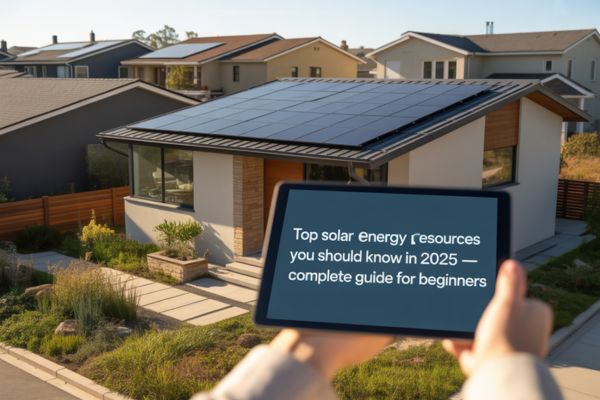
Solar energy resources are becoming essential for affordable, clean, and reliable power in 2025. This guide explains how different solar technologies work, their benefits and limitations, and how to choose the right system using trusted tools and incentives. A simple, beginner-friendly overview designed to help you make informed renewable energy decisions.
Introduction
Solar energy resources are revolutionizing how the world generates power, providing clean, affordable, and sustainable alternatives to fossil fuels. As part of the global shift toward a carbon-free future, renewable energy technologies, solar power innovations, and green energy systems are transforming electricity production across homes, industries, and cities.
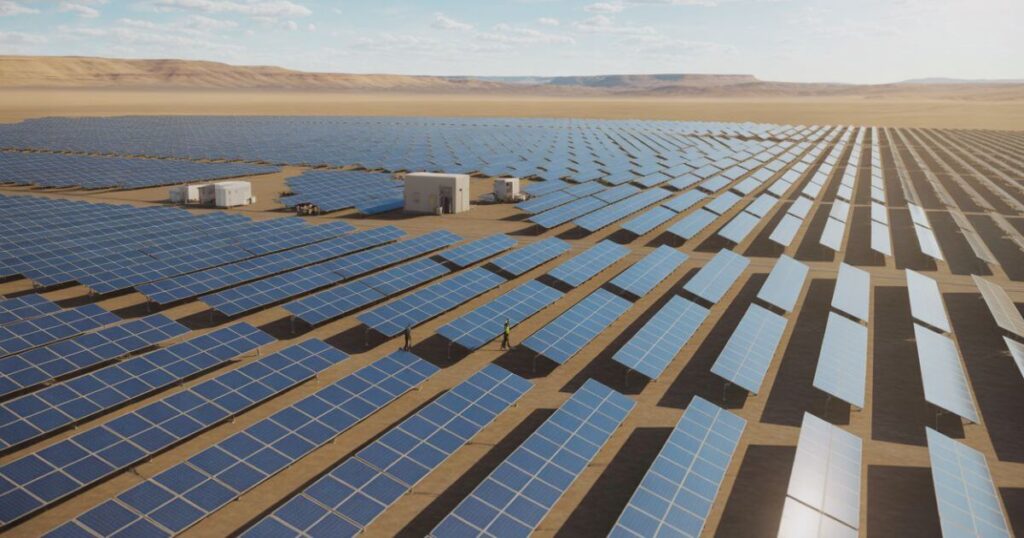
From rooftop panels to massive solar farms, these systems harness the sun’s power to reduce emissions and promote energy independence. In this article, you’ll discover how sustainable energy sources, such as solar, are driving the energy transition by 2025, improving efficiency, and creating new opportunities for a cleaner and more resilient global energy future.
What Are Solar Energy Resources? — Simple Definition for Beginners

Solar energy resources refer to systems and technologies that capture sunlight and convert it into electricity or heat. These include photovoltaic systems, solar thermal plants, and other clean energy solutions that help reduce dependence on fossil fuels.
In simple terms, they’re tools that turn sunlight into usable power — the same way plants convert sunlight into energy through photosynthesis. Across America, millions of households now rely on these sustainable energy sources to cut electricity costs and support a renewable power generation system.
How Solar Energy Is Converted — The Basics Anyone Can Understand
Solar energy conversion begins when sunlight strikes solar panels, which contain semiconductor materials such as silicon. These materials generate an electric current, known as the photovoltaic effect, forming the foundation of solar power innovations.
For heating applications, concentrated solar power systems use mirrors or lenses to focus sunlight into thermal energy. This heat drives turbines that produce electricity — similar to traditional power plants but without greenhouse gas emissions. Together, these systems form the backbone of renewable energy integration worldwide.
Main Types of Solar Technologies and Use-Cases (Easy Comparisons)
Modern solar energy resources come in several types, each with unique advantages. Photovoltaic (PV) systems dominate residential markets, while concentrated solar power (CSP) and solar heating systems serve larger-scale applications.
Residential and Small-Scale Systems
Homeowners increasingly choose rooftop panels, community solar projects, and flexible solar modules for their affordability and simplicity. These systems directly reduce electricity bills and carbon footprints.
Industrial and Utility-Scale Systems
Large solar farms employ tandem solar cells, thin-film solar panels, and floating solar farms for greater energy output. Utility-scale setups feed power into the grid, helping stabilize green energy systems and meet regional demand.
| Technology Type | Best Use Case | Efficiency Range | Typical Application |
| Photovoltaic (PV) | Homes, offices | 18–25% | Rooftop systems |
| Concentrated Solar Power (CSP) | Industrial | 30–40% | Solar plants |
| Thin-Film Solar Panels | Portable & flexible needs | 10–15% | Mobile & low-weight setups |
Top Innovations and Trends to Watch in 2025 (What’s Changing)
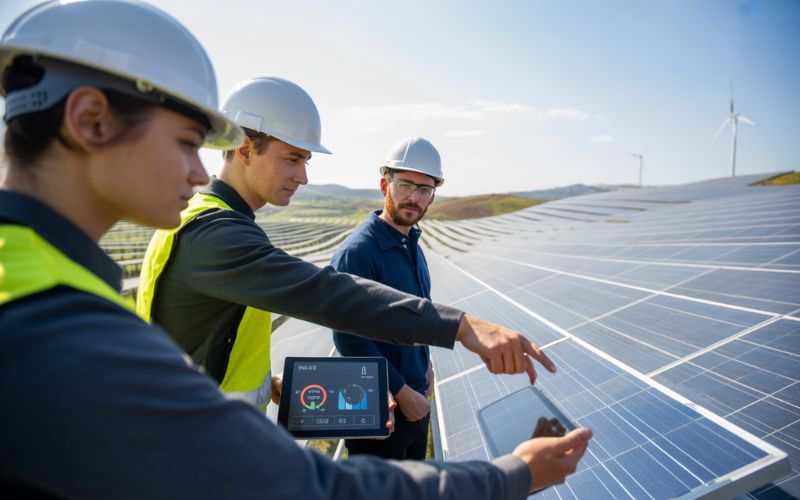
In 2025, next-generation solar technology is advancing faster than ever. Perovskite solar cells are leading the innovation race with record-breaking efficiency rates, while bifacial solar panels capture sunlight from both sides for up to 30% higher output.
Emerging trends like transparent solar panels, floating solar farms, and solar tracking systems are revolutionizing installation design and efficiency. The fusion of artificial intelligence in energy and digital twin technology also enables smarter monitoring, predictive maintenance, and improved grid stability across renewable power innovations.
Benefits and Limitations of Solar Energy Resources (Balanced View)
Benefits: Cost Savings, Resilience, Low Emissions, Local Jobs
The biggest advantage of solar energy resources is affordability. Falling installation prices and renewable energy incentives like tax credits make solar more accessible than ever. Solar also strengthens resilience during grid outages and creates thousands of local U.S. jobs in renewable energy advancements.
Limitations: Intermittency, Space and Siting, Upfront Cost, Recycling/End-of-Life
Solar power isn’t perfect. It depends on sunlight, meaning energy output varies with weather and location. Upfront installation costs can still be high despite rebates. Moreover, managing solar panel efficiency and recycling old modules remains an environmental challenge — though researchers are developing solutions for end-of-life materials.
How to Evaluate and Choose Solar Energy Resources for Your Situation
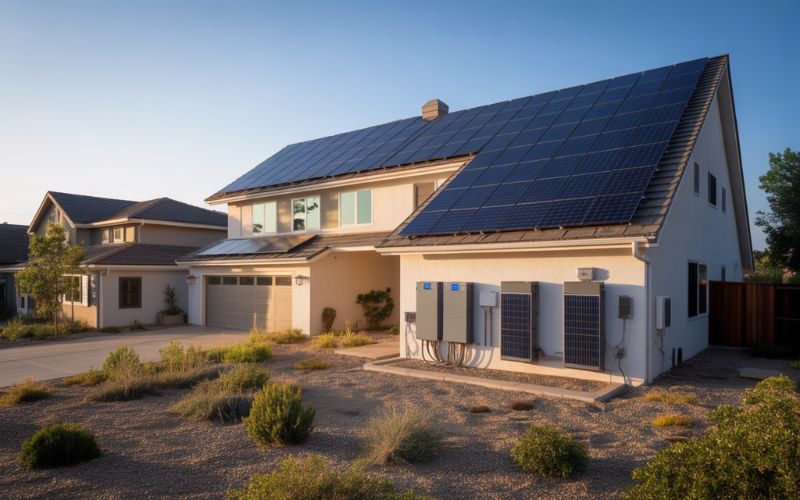
Choosing the right solar energy resources depends on factors like sunlight exposure, roof direction, and budget. Use online tools from the National Renewable Energy Laboratory (NREL) to estimate your region’s solar potential.
Compare renewable power generation systems based on warranty, output, and maintenance needs. Consider battery energy storage systems (BESS) with Lithium Iron Phosphate (LFP) cells to ensure consistent power at night or during cloudy days. For step-by-step help with selecting panels, system size, and installation, see our complete guide to solar powering your home
Financing, Incentives, and Cost-Reduction Options (Practical Next Steps)
Federal and state governments in the U.S. offer excellent renewable energy policies and financial support. The Investment Tax Credit (ITC) lets homeowners deduct up to 30% of installation costs. Some states add rebates or net-metering benefits for sending excess power back to the grid.
To explore all programs, check energy.gov and dsireusa.org. These resources outline available clean energy solutions, grants, and renewable energy incentives tailored to your state. To understand how these tools fit into the bigger picture of home solar energy, see our Complete Guide to Solar Energy for Homes.
Where to Find Trusted Solar Energy Resources (Maps, Guides, Directories, Training)
Accessing reliable solar energy resources is easier than ever. The EnergySage Solar Marketplace and DOE Solar Training Network help you find certified installers and training programs across the United States.
Interactive solar maps from NREL show sunlight intensity and rooftop suitability by ZIP code. These tools are essential for beginners researching renewable energy technologies or planning long-term solar investments.
Installation, Operation, and Simple Maintenance Tips (Keep It User-Friendly)
When installing solar panels, always choose licensed and insured professionals. Look for certifications like NABCEP (North American Board of Certified Energy Practitioners) to ensure quality and safety.
For maintenance, clean panels a few times yearly to maintain solar panel efficiency. Use online monitoring tools to track energy performance and detect faults early — much like checking a car’s dashboard for efficiency metrics.
Environmental and Community Considerations (Wildlife, Land Use, and Local Rules)
Large solar energy developments can impact land use and local wildlife. U.S. regulations encourage eco-friendly siting, promoting floating solar farms and brownfield installations that repurpose unused land.
Community solar projects are also rising, allowing renters and urban residents to access renewable power generation without owning rooftops. These cooperative efforts support sustainable development goals while protecting local ecosystems.
The Future Outlook for Solar Energy Resources (What to Expect After 2025)
Beyond 2025, solar energy resources will become more powerful, flexible, and integrated. Green hydrogen, produced through water electrolysis, will pair with solar to power industries and vehicles with zero-emission fuel.
Expect major growth in energy storage solutions like solid-state batteries, flow batteries, and sodium-ion batteries, which will make solar even more reliable. With global investments rising and renewable energy storage advancing, the U.S. is on track for a massive energy transition by 2025 toward a net-zero emissions economy.
Conclusion
The world of solar energy resources is evolving at record speed. With better technology, smarter grids, and affordable access, solar power is no longer a luxury — it’s the future of renewable power generation.
By understanding how solar works, exploring new renewable energy technologies, and using available incentives, Americans can take control of their energy costs while helping drive a global energy transition toward a carbon-free future. These resources are part of a larger framework for solar power. Learn more in our Solar Energy pillar page.
FAQs
1. What are solar energy resources?
Solar energy resources are technologies and systems that capture sunlight and convert it into usable energy, such as electricity or heat, through photovoltaic systems or solar thermal technologies.
2. What are the 7 main sources of energy?
The seven main energy sources are solar, wind, hydro, geothermal, nuclear, coal, and natural gas — a mix of renewable and non-renewable resources.
3. What is a solar resource?
A solar resource refers to the amount of sunlight (solar radiation) available at a specific location for generating renewable power using solar technologies.
4. What are the 5 main types of solar energy?
The five main types include photovoltaic systems, concentrated solar power (CSP), solar water heating, solar space heating, and solar ventilation.
5. What is the biggest risk of solar panels?
The biggest risk is efficiency loss due to weather, dust, or shading — along with battery storage and disposal challenges for old panels.

Welcome to Renewable Energy! I’m Adnan, Owner, Admin, and Author of this Website.