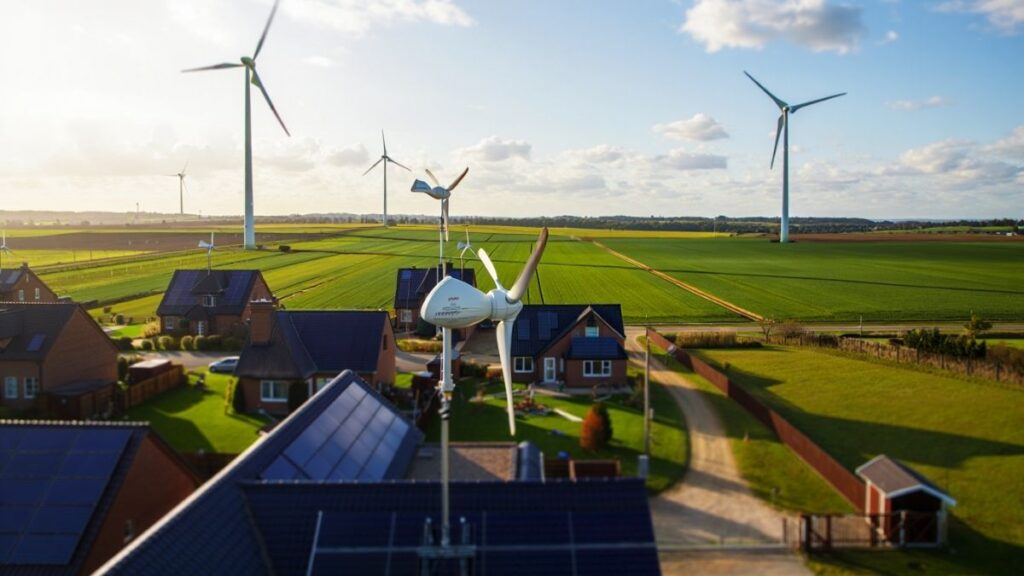
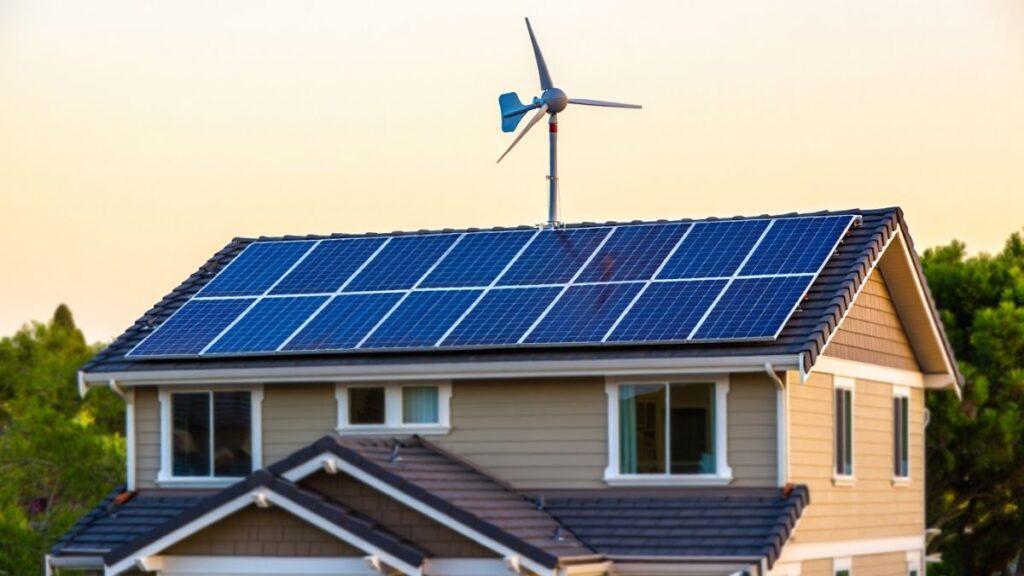
Quick Summary:
A solar wind hybrid system for home combines solar panels and wind turbines to provide reliable, 24/7 clean energy. Learn about key components, installation, costs, ROI, and real-world performance to reduce bills, achieve energy independence, and select the best off-grid or grid-tied setup.
Introduction
A solar wind hybrid system for home gives U.S. homeowners a reliable way to produce clean, round-the-clock electricity by combining solar panels and a small wind turbine in one setup. This blended system captures energy during sunny days and windy nights, offering a stable power supply and lower electric bills. It’s becoming a popular choice for families wanting energy independence, a home solar wind hybrid power solution, and a more sustainable home energy system. Installing a solar wind hybrid system for home ensures homeowners can generate electricity even during cloudy days or calm nights
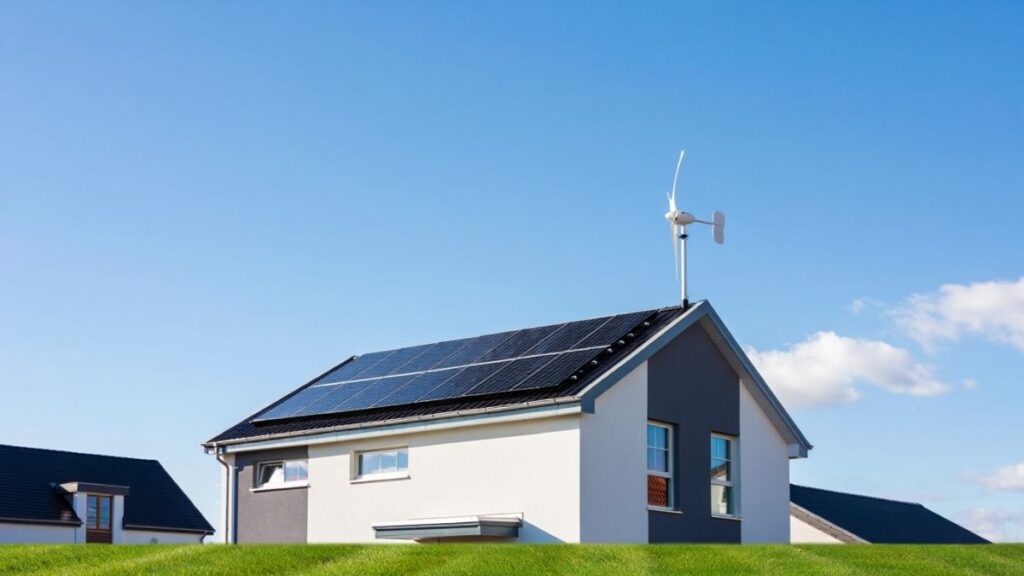
In this guide, you’ll learn how hybrid systems work, the key components, real-world performance, costs, ROI, installation steps, and best options for off-grid and grid-tied homes. With the right residential hybrid renewable system and smart planning, a dual renewable energy system can make your home cleaner, more efficient, and far less dependent on the grid.
What Is a Solar Wind Hybrid System for Home?
A solar wind hybrid system for home is a combined renewable power setup that uses both solar panels and a wind turbine to produce electricity. Homeowners use this system because each energy source covers the weakness of the other. Solar panels work best during sunny daytime hours, while a small wind turbine for home often performs better at night or during cloudy weather.
This creates a steady and dependable energy flow. Many U.S. families prefer a solar wind hybrid system for home to combine the strengths of solar panels with small wind turbines
Many people choose these systems because they offer higher reliability than using solar alone. They also support continuous home power generation, especially in states like Texas, Colorado, New York, and parts of California. When the system includes batteries, it becomes a residential off-grid hybrid solution capable of running homes even during power outages or grid failures.
For verified data on U.S. solar and wind performance, see the official EIA renewable energy statistics
Key Components of a Solar Wind Hybrid System for Home
A strong hybrid setup includes several parts working together. These components must match correctly to avoid wasting energy or damaging equipment. Using a high-quality hybrid inverter for solar wind systems makes the whole setup more efficient and easier to manage.Each component of a solar wind hybrid system for home works together to maximize energy output and storage efficiency.
Solar Panels (3kW–5kW arrays)
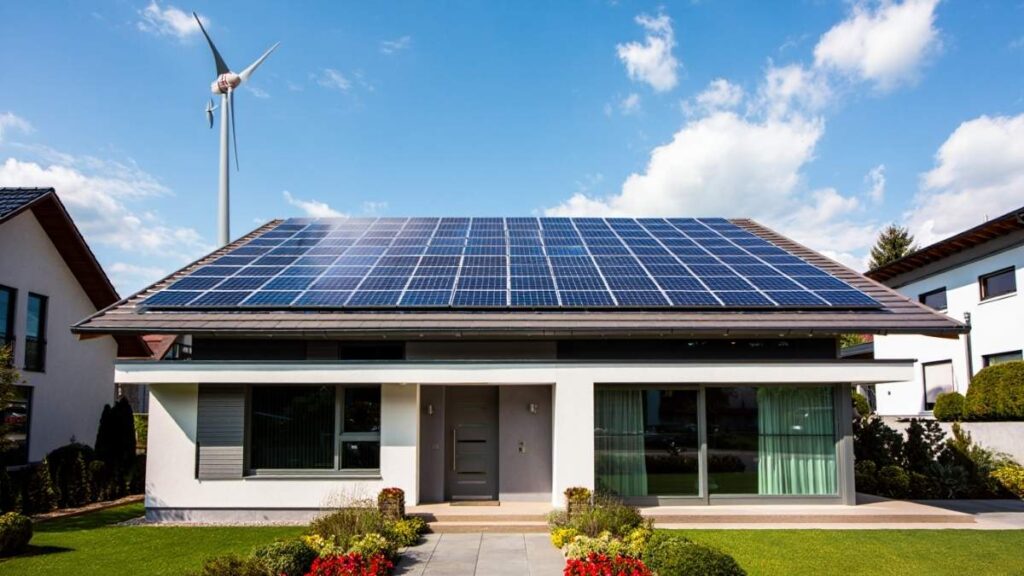
A typical U.S. home installs a 3kW to 5kW solar array. This size generates a large portion of daily electricity needs. For accurate solar photovoltaic information, check the official SEIA solar resources. Solar panels work well in sunny states like Arizona, California, Nevada, and Florida. They form the solar half of the dual renewable energy system, delivering clean power whenever sunlight is available. Learn how solar panels convert sunlight into electricity in this guide on how wind energy works.
Small Wind Turbines (1–3kW VAWT/HAWT)
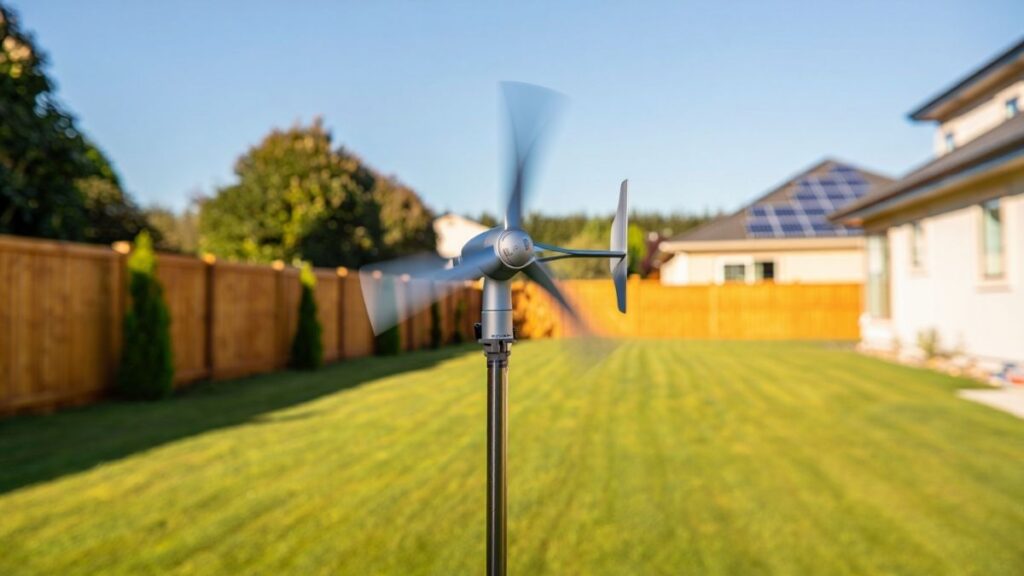
A micro wind turbine for home use typically produces 1kW to 3kW. Small horizontal-axis turbines are common, but vertical-axis turbines work better in low or shifting wind. Turbines run day and night, making them important for winter months and cloudy seasons. For deeper details, see the comparison of turbine types here:
types of wind turbines for home.
Hybrid Inverter
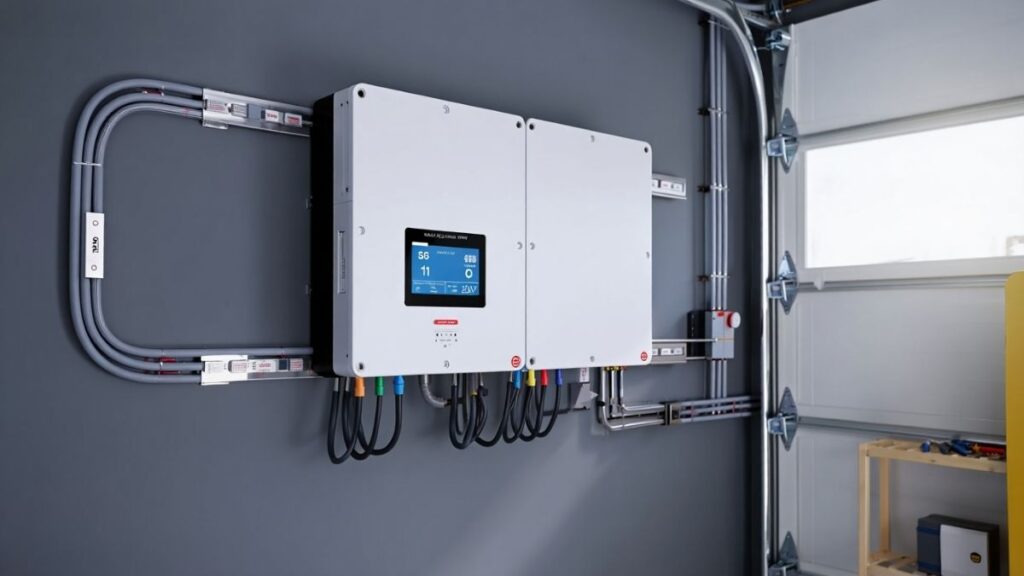
A hybrid inverter manages the flow of energy from solar panels, wind turbines, and batteries. It ensures a smooth transition between sources and improves hybrid power performance. Advanced models also support grid-tie functions, allowing homeowners to earn bill credits through net metering.
Charge Controllers
Charge controllers protect batteries by regulating the voltage coming from the solar panels and the wind turbine. They prevent overcharging and stabilize the entire renewable hybrid energy setup for houses. Solar and wind often use separate MPPT controllers.
Battery Bank
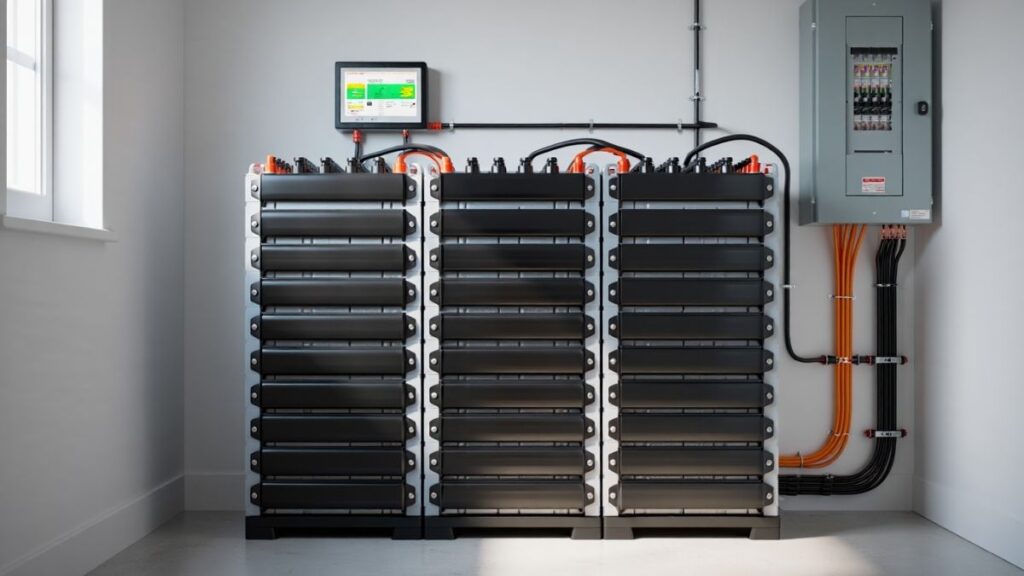
Most hybrid homes use lithium or lead-acid batteries for 24/7 power. A common configuration includes eight 12V 200Ah batteries. These batteries act as the system’s storage and help maintain a battery backup for hybrid homes during nighttime or grid failures.
Learn about energy storage systems from the U.S. Office of Electricity
Mounting Structures & 20-foot Wind Tower
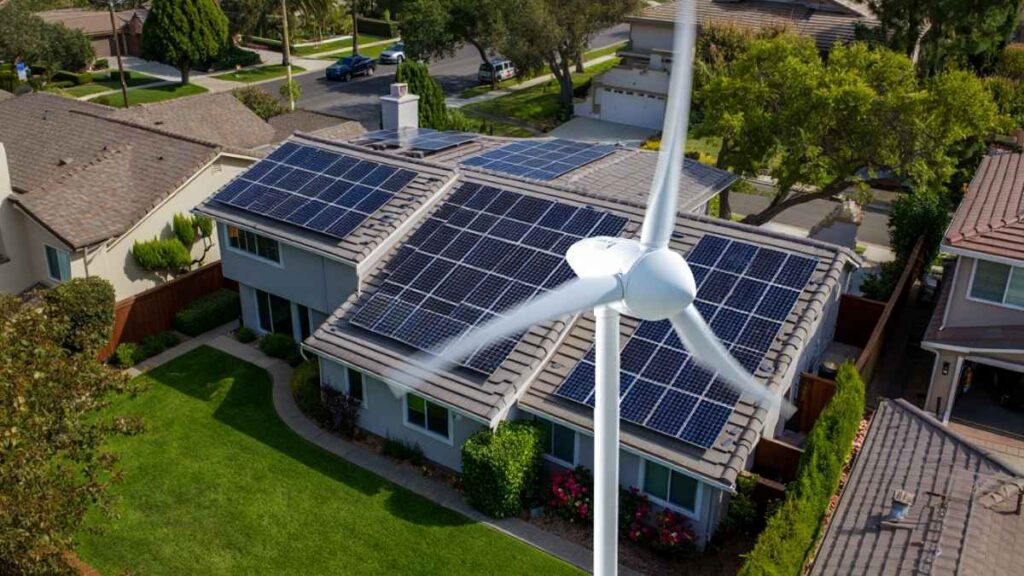
Solar panels are mounted on rooftops or ground racks. Wind turbines require a 20-foot tower to capture stronger, cleaner wind. Taller towers improve efficiency and reduce turbulence. Proper mounting ensures long-term performance for your hybrid solar wind setup.
How a Solar Wind Hybrid System for Home Works
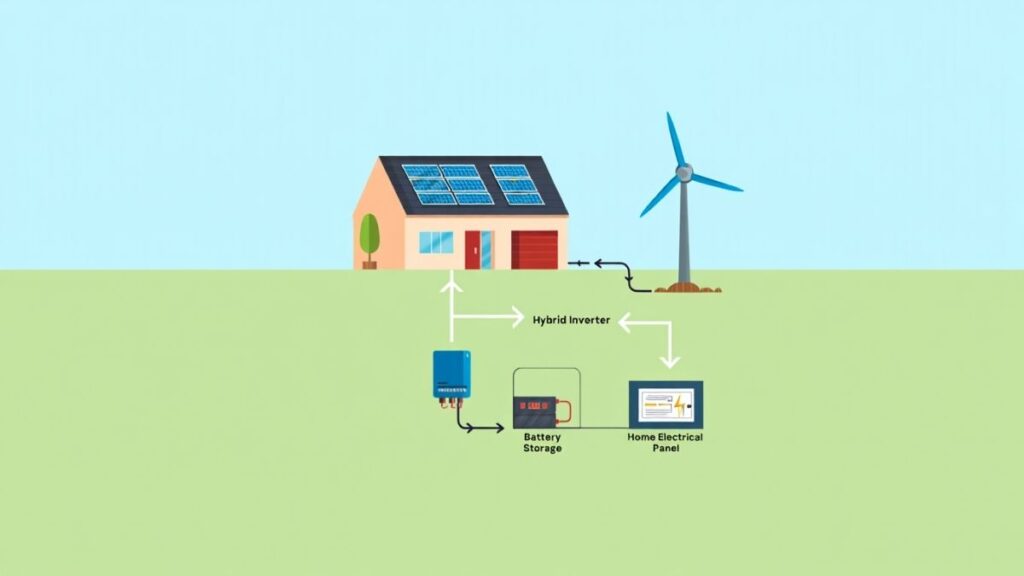
A hybrid system blends energy from two natural sources into a single power supply. Solar panels convert sunlight to DC electricity, while the wind turbine generates power whenever wind passes through its blades. Both connect through separate controllers and feed the battery bank.
The combined solar and wind power then flows to the hybrid inverter. A properly designed solar wind hybrid system for home ensures seamless energy flow between solar panels, wind turbines, and batteries
The inverter converts DC power to AC, the type used by U.S. homes. When batteries are full, extra electricity can run household loads or be sent to the grid through net metering. This flexible flow ensures that homes always have backup power, creating a 24/7 hybrid power supply even during weather changes.
Benefits, Advantages & Performance
24/7 Reliable Power Output
Solar works best during daylight, while wind often strengthens at night or during storms. When combined, they create a home solar wind hybrid power setup that rarely leaves you without energy. This balanced performance gives homeowners dependable coverage throughout all seasons.
Big Electricity Bill Savings (50–90%)
Many U.S. households save 50% to 90% on energy bills after installing home solar and wind power systems. Savings depend on wind levels, sunshine, and energy habits. Homes using net metering can send extra power back to the grid, reducing monthly costs even further. With a solar wind hybrid system for home, households can reduce electricity bills significantly while maintaining consistent power year-round.
Grid Independence / Net Metering
Hybrid systems give homeowners more control over their power supply. They help reduce grid dependence or allow homes to run fully off-grid. States offering net metering enable users to earn credits for excess power, making these renewable energy solar and wind systems more valuable.
Better ROI Than Solar Alone
Adding wind power helps solar systems generate energy during cloudy days or winter months, improving return on investment. Because turbines often run at night, energy production stays high all year. This steady generation reduces the hybrid system payback period.
Eco-friendly + Higher Home Value
Homes with hybrid systems shrink their carbon footprint and increase property value. Buyers appreciate the long-term savings and resilience of sustainable home energy systems. A hybrid system reduces fossil fuel dependence and ensures cleaner living.
Example Performance
A 5kW solar array combined with a 2kW wind turbine can produce enough electricity to cover 70%–90% of an average household’s usage. Some coastal homes see even better performance because wind speeds are higher. A detailed installation example is available here:
wind energy systems for homes.
Costs of Solar Wind Hybrid System for Home

Global Average Costs (U.S.)
A complete hybrid system in the U.S. usually costs $15,000–$28,000, depending on size, turbine height, and battery storage. After incentives like the federal ITC, prices drop by around 30%. Larger homes needing a 10kW wind solar hybrid system may see higher upfront costs but faster savings. Investing in a solar wind hybrid system for home may seem high upfront, but long-term savings and incentives make it cost-effective.
Off-grid Kit Options (3kW–10kW)
Off-grid packages vary widely. A 3kW kit might cost $6,000–$9,000, while advanced 10kW systems can exceed $30,000 with lithium batteries. These setups create a complete off-grid solar and wind system capable of running fridges, lights, fans, and well pumps reliably.
Pakistan Pricing (2025)
Pakistan remains one of the most cost-friendly countries for hybrid systems. A 2kW hybrid setup usually costs PKR 200,000–300,000. Tax exemptions and incentives make it more affordable for rural users, especially those relying on backup power.
Return on Investment (ROI)
Most U.S. homes see a 6–10 year ROI with hybrid systems. Savings increase in windy areas or states with strong net-metering policies. Some households reduce grid consumption by nearly 90%, transforming a low-cost hybrid energy solution into a long-term asset. Homes with stable wind gain faster returns than solar-only setups.
Installation Guide for Solar Wind Hybrid System for Home
Site Assessment
Installers evaluate solar irradiance and wind speed to understand energy potential. They check shading, roof direction, and turbine tower placement. This step ensures the hybrid energy system for home use fits local weather patterns effectively. Selecting the right location is critical for a solar wind hybrid system for home to capture maximum solar irradiance and wind speed
Step-by-Step Installation
The process includes mounting solar panels, installing a wind tower, wiring controllers, and connecting batteries. After everything is secured, installers set up the hybrid wind and solar electric systems for safe and efficient energy flow. Testing ensures proper system performance.
Permits & Local Regulations
Some U.S. states require permits for turbine tower height, wiring, and grid connection. Local zoning rules often specify noise and distance requirements. Homeowners should verify restrictions before starting a wind turbine, solar panels hybrid system project.
Why Professional Installation Is Recommended
Professionals ensure correct wiring, tower safety, and compliance with electrical codes. Experienced installers prevent energy losses and protect your investment. They also ensure the domestic hybrid power system runs efficiently from day one.
Real-World Examples & Case Studies
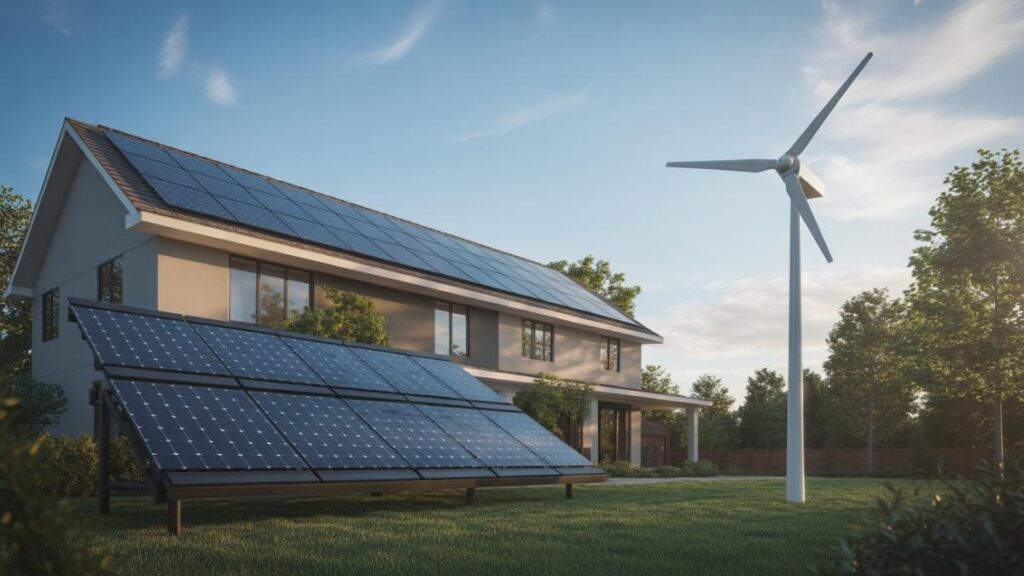
Many coastal homes in Oregon and Washington run hybrid systems because wind speeds stay strong all year. These homes often generate over 80% of their electricity through solar and wind power for homes, even during winter. Rural properties in Texas also benefit because open land allows turbines to capture steady wind from all directions.
A cabin in Colorado using a 5kW solar + 2kW wind setup now covers 90% of its annual load. Before installing the solar and wind home power systems, the owners relied heavily on diesel generators. Now fuel use has dropped by 85%, saving them thousands each year.
Best Off-Grid Solar and Wind System Sizes for U.S. Homes
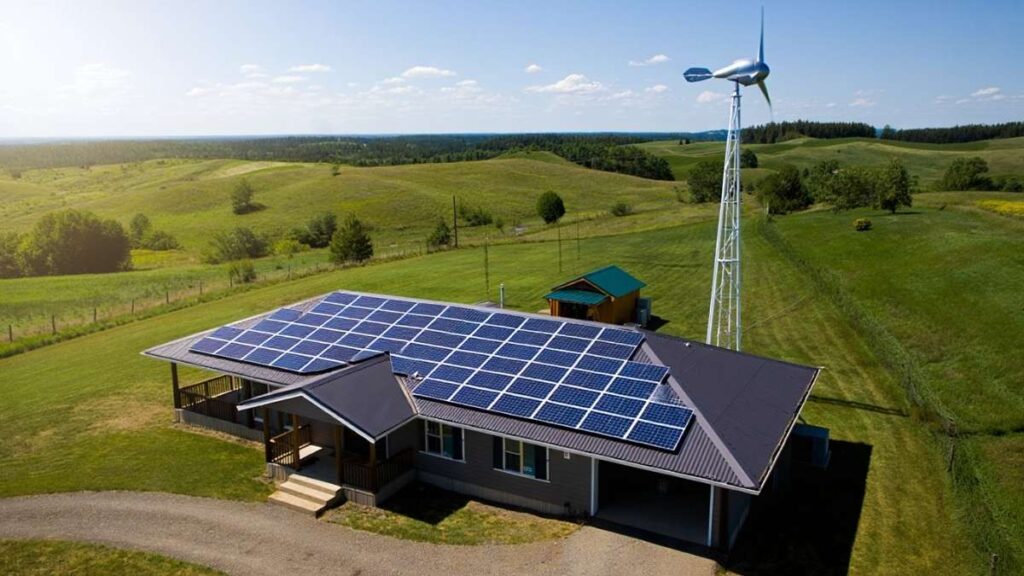
A 3kW system works for tiny homes or cabins, but most suburban houses need at least 5kW for comfortable living. A full-size U.S. home with heating or electric cars may require an 8kW–10kW hybrid system. These larger systems give better winter performance and stronger home energy independence system results, especially in windy states.
Higher-capacity battery banks extend runtime during storms or outages. Adding a windmill and solar power system can bring energy security to remote locations where grid service is unreliable.
How Solar Panels and Wind Turbines Work Together
Solar panels reach peak production around midday, while wind turbines may peak in late afternoon or overnight. This creates a dependable wind-solar complementary energy pattern. Combining both sources boosts total output and reduces seasonal drops in generation. Combining solar panels and a wind turbine in a solar wind hybrid system for home ensures that energy generation is balanced and reliable.
Here’s a simple comparison:
| Region | Solar Output | Wind Output | Hybrid Performance |
| Midwest (Iowa) | Medium | High | Excellent |
| Southwest (Arizona) | High | Medium | Excellent |
| Northeast (Maine) | Medium | High | Strong |
| West Coast (Oregon) | Medium | High | Very Strong |
Safety, Maintenance & System Lifespan
Hybrid systems last 20–30 years with proper care. Solar panels need occasional cleaning, while turbines require annual inspections. Batteries usually last 7–12 years, depending on type. Following a maintenance schedule ensures your solar wind energy solution operates smoothly for decades.
Wind towers should be anchored well and located away from trees or structures. This improves safety and increases overall renewable energy efficiency.
Conclusion
A solar wind hybrid system for home provides year-round power, strong bill savings, and long-term reliability. By combining solar panels with wind turbines, homeowners gain access to a dependable energy source that works in almost all weather conditions. These systems support off-grid living, improve energy independence, and offer a smart investment for families seeking stability.
With the right setup, your home can enjoy cleaner, cheaper, and more resilient energy for decades—making hybrid systems one of the most effective renewable solutions available today in the United States.
FAQ
Q. How big a wind turbine do you need to power a house?
A: A typical home needs a 5kW–15kW wind turbine, depending on wind speed, energy usage, and location.
Q. What is the disadvantage of a hybrid solar system?
A: The main disadvantage is the higher upfront cost because it requires both solar equipment and a battery backup system.
Q. Can you run a wind turbine and a solar panel together?
A: Yes, a wind turbine and solar panels can run together using a hybrid inverter or charge controller that manages both sources.
Q. How much does it cost to install a hybrid solar system?
A: A home hybrid solar system generally costs $12,000–$25,000, depending on size, battery capacity, and location.
Q. Why is my electric bill so high if I have solar panels?
A: High bills usually happen due to low solar production, increased household usage, shading issues, or an undersized system.
Q. What is the 33% rule in solar panels?
A: The 33% rule means a solar system should be sized so that no more than one-third of total energy use occurs during peak evening hours when solar isn’t producing.

Welcome to Renewable Energy! I’m Adnan, Owner, Admin, and Author of this Website.