
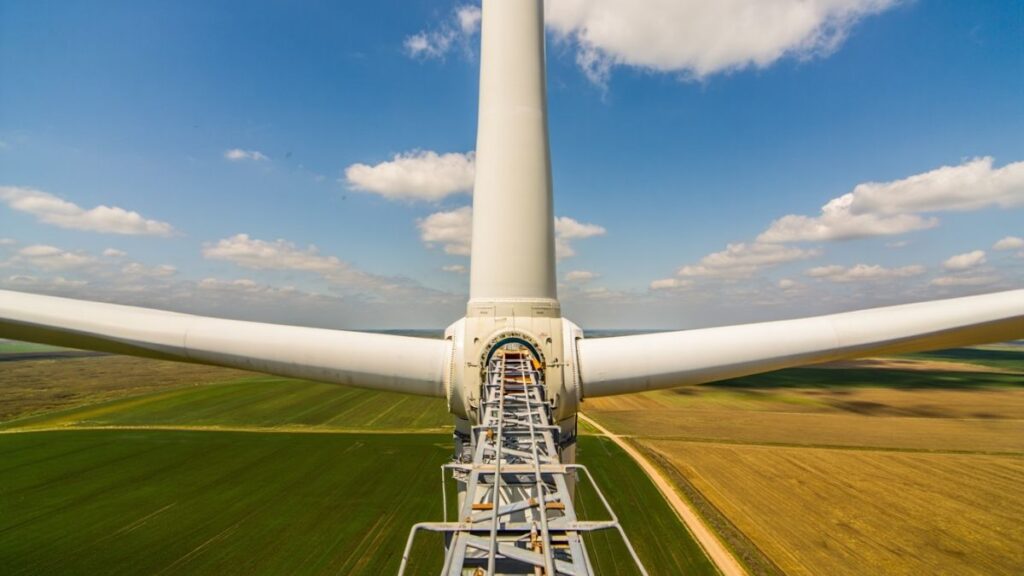
Quick Summary: The power generated by one wind turbine varies with wind speed, turbine size, and location, providing electricity for hundreds of homes. Now we explain daily, yearly, and lifetime output, compare onshore and offshore turbines, and highlight efficiency, capacity factors, and real U.S. wind energy performance.
Introduction
Power generated by one wind turbine depends on wind speed, turbine size, location, and technology, not just the turbine’s rated capacity. In real conditions, a single turbine can produce electricity for hundreds of homes, but output changes daily and seasonally. Now we explain how much power one wind turbine generates per day, per year, and over its full lifetime, using clear U.S.-based examples.
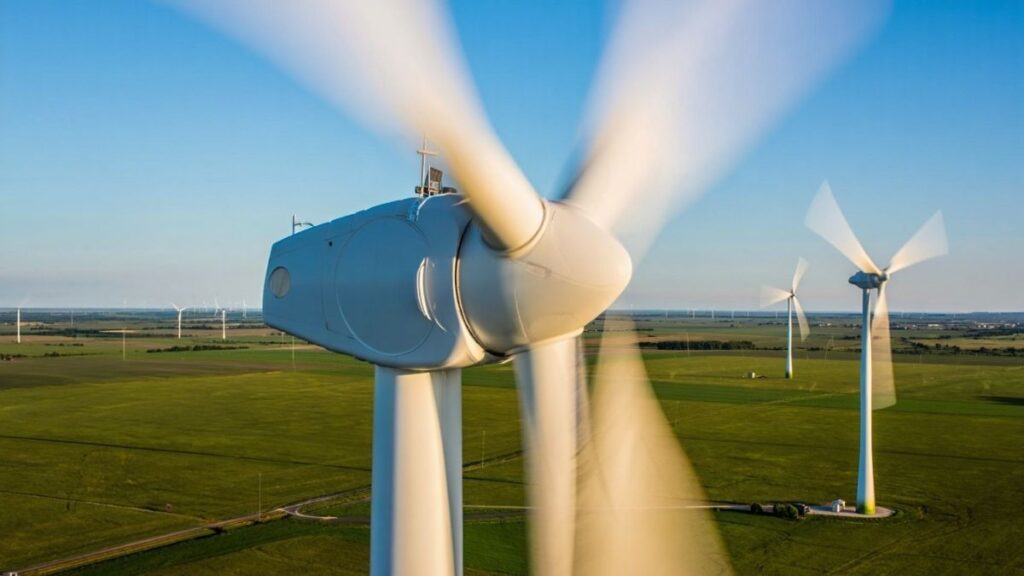
You will learn how wind turbine power output, electricity generated by a wind turbine, average wind turbine output, wind energy production, and wind turbine efficiency affect real-world performance. It also compares onshore and offshore turbines, explains capacity factors, and shows how turbine output translates into household electricity use, helping you understand wind power clearly and practically.
What Is the Power Generated by One Wind Turbine?
The power generated by one wind turbine refers to the real amount of electricity delivered to the grid or a home over time. It is usually measured in kilowatt-hours (kWh) or megawatt-hours (MWh), not just the turbine’s rated capacity shown by manufacturers.
Modern turbines convert wind energy into electricity using advanced blade aerodynamics and generators. However, real wind turbine power output is always lower than the rated number because wind conditions constantly change. Understanding this difference helps explain actual wind energy production in the field.
Rated Power vs Actual Electricity Output
Rated power is the maximum electricity a turbine can produce under ideal wind conditions. Actual electricity generated by a wind turbine reflects real wind speeds and downtime. This difference is explained clearly in this guide on how wind energy works in the United States.
How Wind Energy Becomes Electricity
Wind spins the blades, turning a shaft connected to a generator. That motion creates an electrical current sent to the grid. The efficiency of this process defines wind turbine efficiency and determines how much single wind turbine electricity generation is actually usable.
How Much Electricity Does One Wind Turbine Produce Per Day?
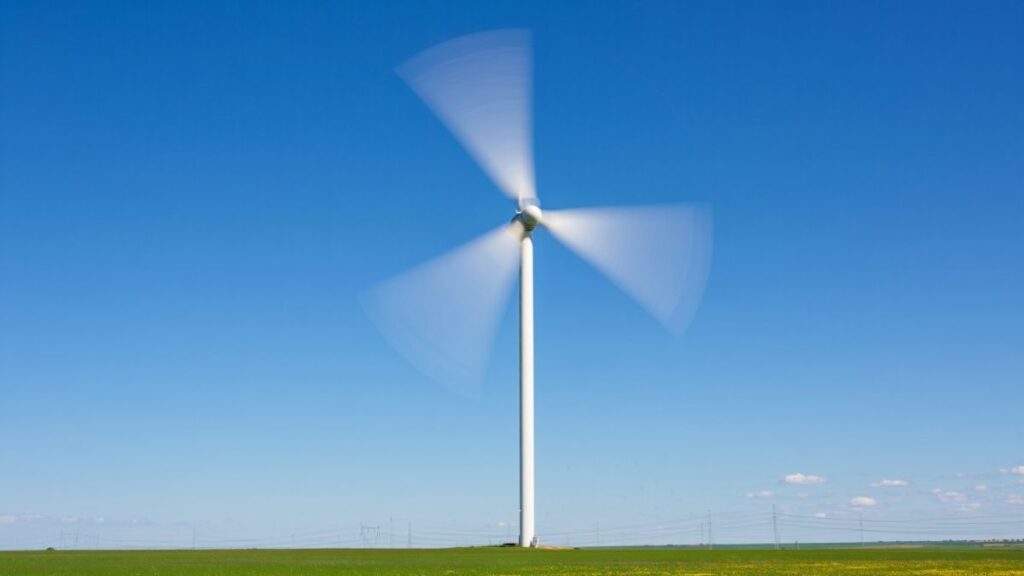
Daily output depends heavily on wind availability. On a windy day, one turbine can generate massive amounts of power. On calm days, output may drop close to zero. This variability is normal for wind turbine power generation.
In strong wind regions, the power generated by one wind turbine per day often ranges from 5,000 to 15,000 kWh. This wide range highlights why daily output should never be used alone to judge performance.
Average Daily Power Output in Practice
A modern 3 MW turbine operating in good wind can produce enough electricity each day to supply hundreds of homes. This level of wind power generation per turbine supports residential demand and grid-scale energy needs simultaneously.
Weather and Seasonal Effects
Seasonal wind patterns play a major role. Spring and fall usually deliver stronger winds, while summer output can dip. These shifts directly affect wind turbine energy production across different U.S. regions.
Power Generated by One Wind Turbine Per Year
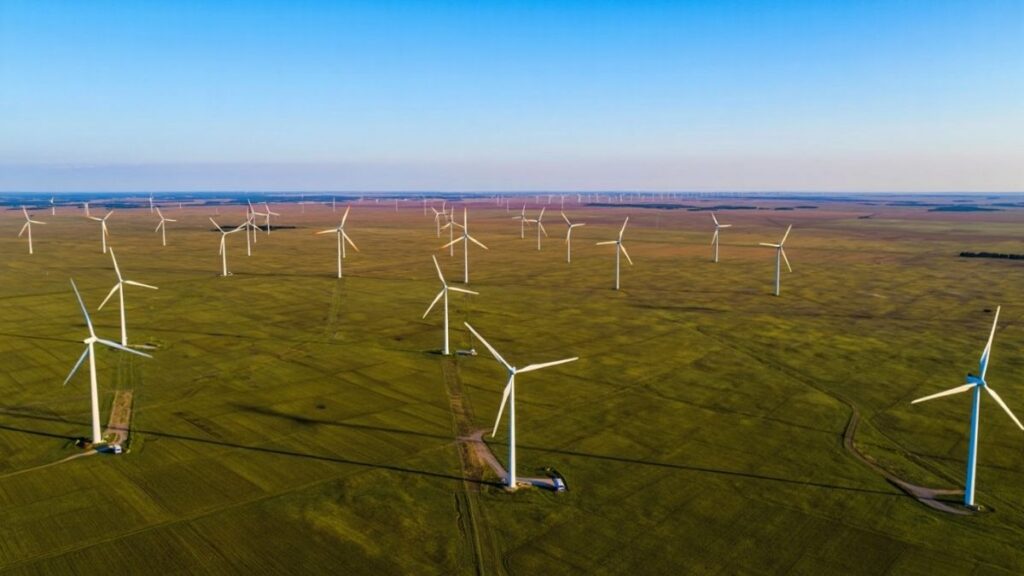
Annual production provides the most accurate picture of turbine performance. Utilities and planners rely on yearly data rather than daily peaks when estimating real value.
In the U.S., the power generated by one wind turbine per year typically ranges from 6 to 10 million kWh, depending on size and location. This reflects a strong average wind turbine output for modern systems.
Typical Annual Electricity Production
A 2.5–3 MW turbine can generate 7–9 GWh annually in high-wind areas. That level of wind turbine output per year can power entire neighborhoods consistently.
Capacity Factor Explained
The capacity factor measures how often a turbine operates at full potential. Most U.S. turbines reach 30–45 percent. This concept is critical for understanding average megawatts produced by a wind turbine, as explained by the U.S. Department of Energy:
Factors That Affect the Power Generated by One Wind Turbine
Several factors influence output, including turbine design, tower height, blade length, and wind quality. Even turbines of the same model can produce different results.
These variables explain why the power generation of wind turbine systems varies widely across states. Site planning is essential for maximizing wind energy production.
Turbine Size and Design
Larger rotors capture more wind energy. Taller towers access steadier winds. Together, these features increase wind turbine capacity and improve overall wind turbine power output. Different designs are compared in this overview of horizontal and vertical wind turbines.
Site Location and Wind Quality
Flat terrain, open plains, and offshore sites offer smoother airflow. Turbines placed in poor wind zones generate less electricity output of modern wind turbines regardless of technology.
Average Power Generated by One Wind Turbine in the United States
U.S. wind turbines have grown significantly in size and efficiency. Most new installations exceed 2.5 MW and produce more electricity than older models.
The average power generated by wind turbines continues to rise as blade technology improves. According to the National Renewable Energy Laboratory, taller turbines alone can increase output by over 30 percent:
U.S. Turbine Output by Type
Most utility-scale turbines in the U.S. generate enough electricity to power 700–1,200 homes annually. This level of wind power generation per turbine supports large-scale renewable targets nationwide.
Power Generated by Onshore vs Offshore Wind Turbines
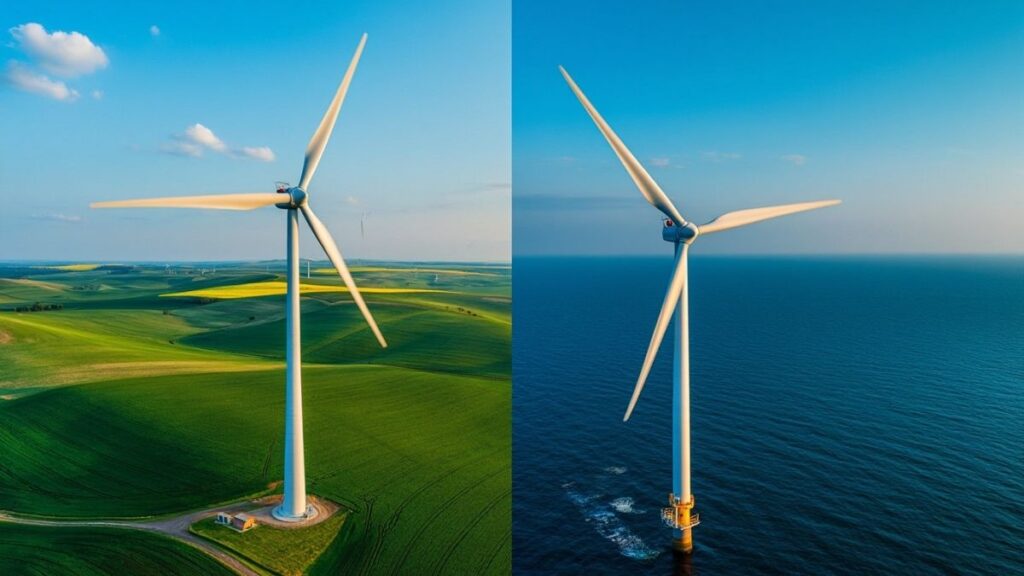
Onshore and offshore turbines differ significantly in output. Offshore turbines operate in stronger, steadier winds and produce more electricity. Onshore systems remain more affordable and easier to maintain.
Both play essential roles in wind turbine power generation and national energy planning.
Offshore Wind Advantages
Offshore wind turbine power benefits from consistent wind speeds and larger turbine designs. Offshore projects often deliver exceptional wind turbine energy production compared to land-based systems.
Onshore Wind Strengths
Onshore wind turbine output remains highly cost-effective. Lower installation costs contribute to competitive wind power cost per kWh, especially in the Midwest and Texas.
How Wind Speed Impacts the Power Generated by One Wind Turbine

Wind speed has a dramatic effect on output. Doubling wind speed can increase power output by up to eight times. This explains the strong wind speed effect on turbine power.
Accurate wind assessment is essential before installation to avoid underperforming systems.
Cut-In, Rated, and Cut-Out Speeds
Turbines begin generating at low wind speeds, reach peak output at rated speeds, and shut down at extreme speeds for safety. This balance protects wind turbine efficiency while maintaining reliable production.
Power Generated by One Wind Turbine Compared to Household Energy Use

Putting turbine output into household terms helps readers understand its value. The power generated by one wind turbine usually far exceeds residential electricity needs.
An average U.S. household consumes about 10,500 kWh per year, according to the U.S. Energy Information Administration:
How Many Homes Can One Wind Turbine Power?
Depending on size and location, one turbine can power 700–1,400 homes annually. This makes the energy produced by a single wind turbine easy to visualize in everyday terms.
Can One Wind Turbine Power a Home or Small Community?
Small wind turbines can power individual homes in rural areas with strong wind. Utility-scale turbines usually feed electricity into the grid instead.
For homeowners, system design matters. This is explained in detail in this guide on wind energy systems for homes, including costs and output.
Small vs Utility-Scale Wind Systems
Residential turbines produce limited power. Utility-scale turbines deliver large amounts of turbine electricity generation, making them better for community and grid-scale use.
Power Generated by One Wind Turbine Over Its Lifetime

Most turbines operate for 20–25 years. Over that time, they generate enormous amounts of clean electricity with minimal emissions.
The lifetime power generation of wind turbine systems greatly exceeds the energy required for manufacturing and installation.
Lifetime Energy and Return
A modern turbine can generate more than 150 million kWh over its lifespan. Adding storage solutions, such as those discussed in wind turbine battery storage systems for homeowners, further improves energy reliability.
Efficiency and Capacity Factor of a Single Wind Turbine

Efficiency measures how well turbines convert wind into electricity. The capacity factor shows real-world performance over time.
Together, they define the true value of wind turbine power output and long-term electricity generation.
What Is a Good Capacity Factor?
Onshore turbines often achieve 35–45 percent capacity factors. Offshore turbines can exceed 50 percent, significantly boosting overall wind turbine power generation.
Future Improvements in Power Generated by One Wind Turbine
Wind technology continues to evolve rapidly. Larger turbines, smarter controls, and hybrid systems improve output and reliability.
Combining wind with solar, as shown in this guide on solar-wind hybrid systems for off-grid homes, further enhances energy independence.
Larger Turbines and Smarter Systems
Longer blades and advanced forecasting increase average wind turbine output while reducing wind energy costs per kWh across the U.S.
Why Understanding the Power Generated by One Wind Turbine Matters for Wind Energy Planning
Accurate output estimates guide policy, investment, and grid expansion. Overestimating output leads to planning errors and unreliable supply.
A clear understanding of wind turbine power generation supports smarter renewable growth and long-term energy security nationwide.
Conclusion
The power generated by one wind turbine depends on wind speed, turbine size, and location. While daily output varies, annual and lifetime production reveal the wind’s true value. With competitive wind power cost per kwh, modern turbines play a critical role in America’s clean energy future.
FAQs
Q: How much power is from one wind turbine?
A: One modern utility-scale wind turbine can generate enough electricity to power 700–1,400 U.S. homes per year, depending on wind conditions and turbine size.
Q: How much power does a 3000-watt wind turbine produce?
A: A 3000-watt wind turbine can generate up to 3 kW at optimal wind speeds, typically producing 4,000–6,000 kWh annually in good wind locations.
Q: What is the cost of a 1 kW wind turbine?
A: A 1 kW wind turbine usually costs between $1,500 and $3,000 in the U.S., excluding installation, towers, permits, and maintenance.
Q: Can a 10 kW wind turbine power a house?
A: Yes, a 10 kW wind turbine can power an average U.S. home if it has consistent wind speeds and proper installation.
Q: Is one windmill enough to power a house?
A: One small wind turbine can power a house in windy rural areas, but most homes still rely on grid or hybrid systems for reliability.
Q: How big is a 500-watt wind turbine?
A: A 500-watt wind turbine is usually small, with rotor diameters around 4–6 feet, designed for battery charging or small off-grid applications.

Welcome to Renewable Energy! I’m Adnan, Owner, Admin, and Author of this Website.