Quick Summary:
Explore how a biomass energy plant converts waste into electricity and heat, offering sustainable power, cost insights, real-world examples, and future trends. Learn about plant efficiency, environmental impact, and why biomass is a key player in renewable energy growth.
Introduction
Biomass energy plant systems are transforming waste into reliable renewable power, providing a sustainable alternative to fossil fuels. These facilities utilize organic materials through biomass-to-energy conversion to generate electricity and heat, supporting both rural economies and national energy security.
In this article, readers will learn how a biomass power station works step by step, explore various biomass fuel plant technologies, understand key factors affecting biomass plant efficiency, and assess the economic and environmental benefits. We also cover modern trends, costs, real-world case studies, and how biomass renewable energy fits into the future U.S. energy landscape, offering practical insights for investors and policymakers alike.
What Is a Biomass Energy Plant?
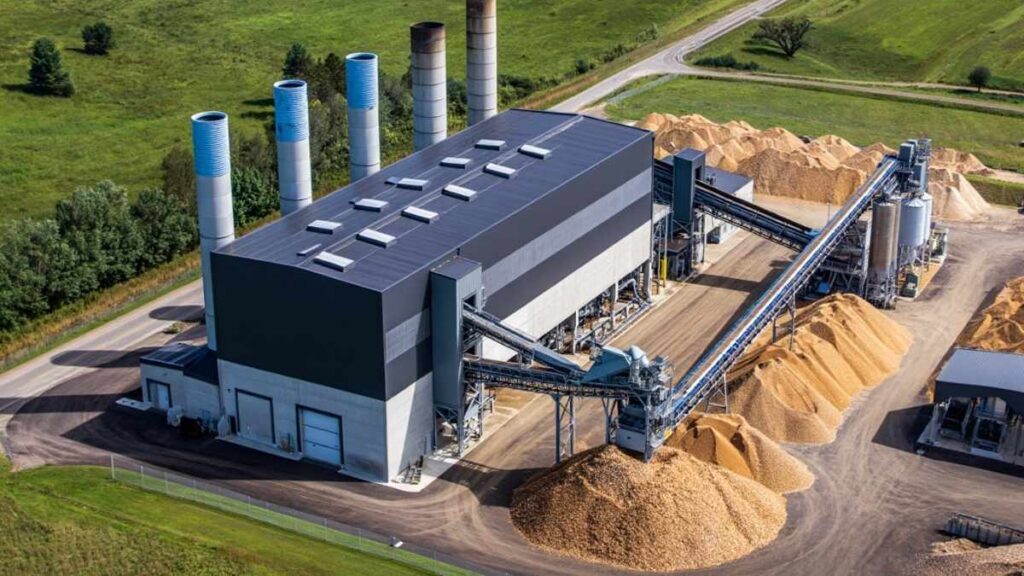
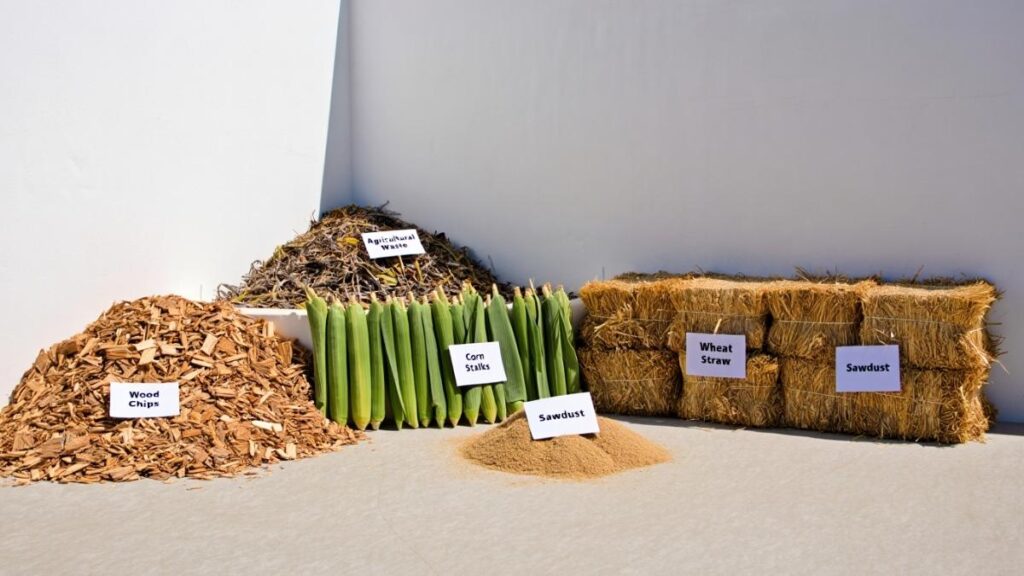
A biomass energy plant is a facility that converts organic materials—like wood chips, agricultural waste, and municipal waste—into electricity and heat. This process is called bioenergy, and it replaces fossil fuels with cleaner, renewable resources.
These plants support biomass renewable energy, offering a stable energy supply unlike solar or wind. With growth in the U.S. bioenergy sector, biomass electricity plants are becoming central to local energy resilience and waste reduction.
If you want a broader breakdown of how bioenergy fits into the U.S. clean-energy mix, here’s a complete guide to biomass renewable energy that explains how waste materials turn into reliable power.
How Biomass Energy Plants Work (Simple Explanation)
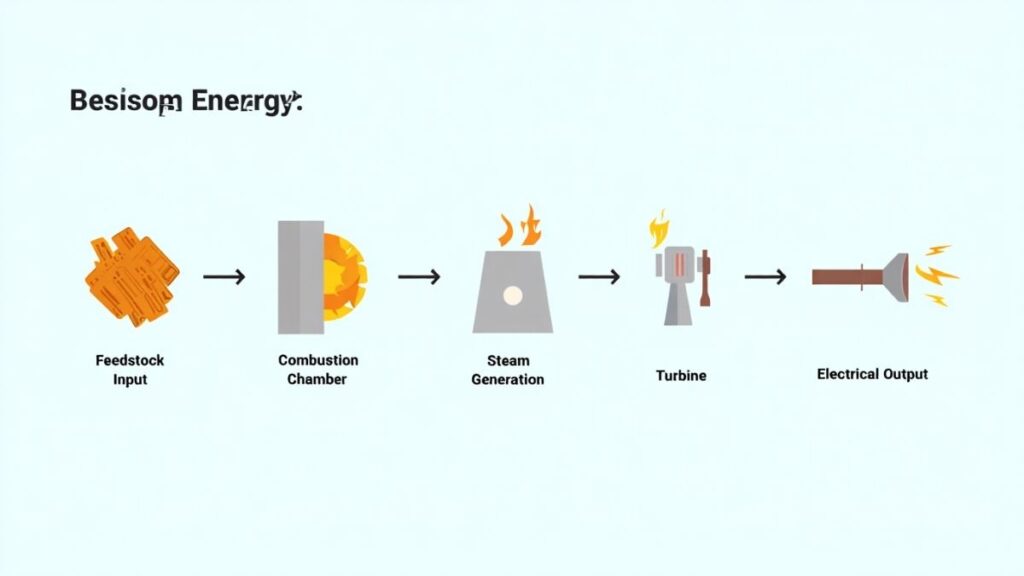
A biomass energy plant process starts with collecting biomass materials, drying them, and feeding them into a boiler or gasifier. The heat converts water into steam, which powers turbines to generate electricity.
Modern plants use new systems like biomass gasification plants and biomass combined heat and power (CHP) units. These technologies deliver more efficient biomass to energy conversion, reducing carbon emissions and increasing overall output.
If you want a deeper technical view, this breakdown of the biomass gasification process and technologies explains how gasification plants turn waste into clean syngas.
Types of Biomass Energy Plants in the U.S.
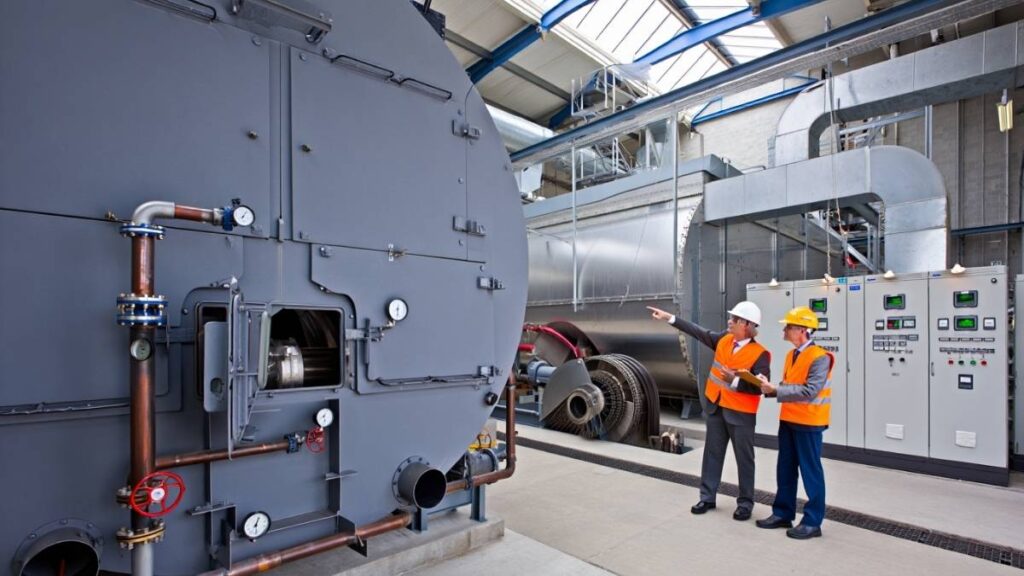
Different plant types serve different industries, based on fuel sources and energy needs. Traditional systems burn solid fuel, while modern ones use gasification and advanced thermal conversion.
The main types include biomass combustion plants, biomass gasification plants, and advanced CHP stations. They are used in power grids, agriculture, manufacturing, and district heating systems.
For a deeper look at feedstock categories and energy pathways, here’s a guide to the types of biomass energy in the U.S that breaks down solid, liquid, and gas biofuels with simple examples.
1. Biomass Combustion Plants
These plants burn biomass directly to create heat and steam. They are common in rural states with strong forestry industries.
2. Biomass Gasification Plants
Gasification converts biomass into syngas for cleaner, more efficient energy. It supports flexible use in electricity generation and industrial heating.
3. Biomass CHP (Combined Heat & Power) Plants
CHP systems generate electricity and capture waste heat for buildings, factories, and greenhouses.
Benefits of Biomass Energy Plants
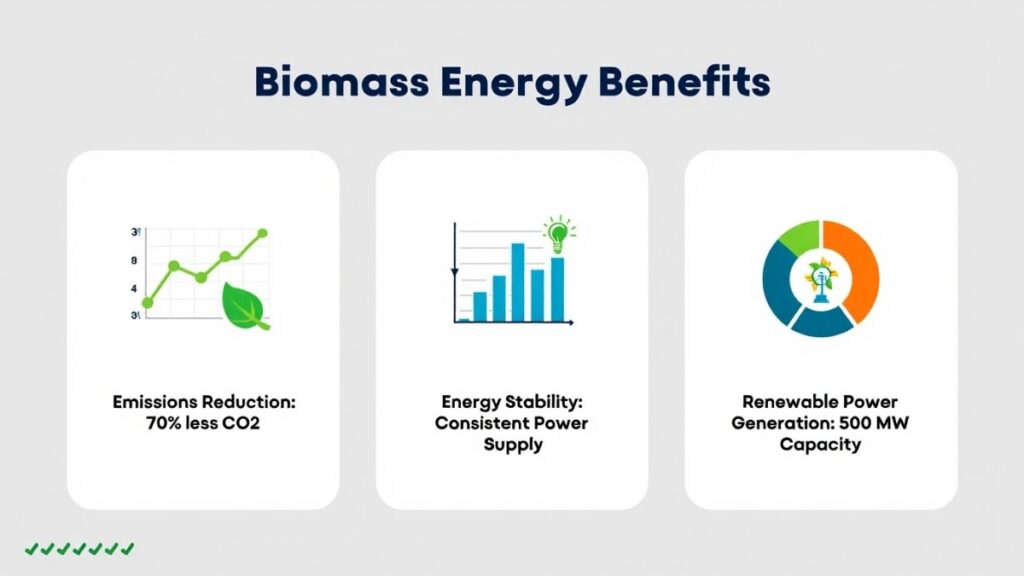
A biomass power station supports environmental, economic, and energy-security goals. These benefits make biomass a strong partner for wind and solar across the U.S.
They reduce landfill waste, support circular economy models, and encourage rural job growth. As a dispatchable renewable energy source, they help stabilize the electric grid.
You can also explore the top benefits of biomass energy to see how future U.S. projects in 2026 are unlocking new efficiency and sustainability gains.
Biomass Plant Advantages and Disadvantages
Understanding both sides helps communities and investors plan better renewable projects.
Advantages include carbon neutrality, grid reliability, and waste-to-energy benefits. Disadvantages include land-use planning, feedstock logistics, and upfront biomass plant cost challenges.
This balanced analysis of the advantages and disadvantages of biomass energy helps explain the main debates around emissions, feedstock sourcing, and land-use concerns.
Environmental Impact and Carbon Neutrality
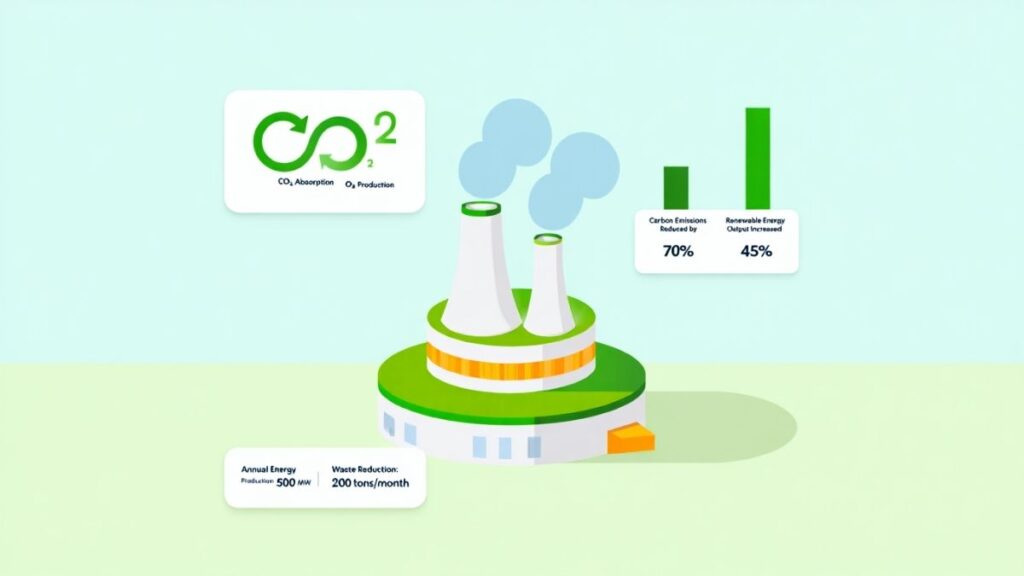
A key topic in 2025 is the biomass plant’s environmental impact. When biomass is sourced responsibly, the system can approach biomass plant carbon neutrality, since plants absorb CO₂ while growing.
Sustainability depends on local sourcing, forest health management, and efficient processing. Advanced filtration technologies also lower particulate emissions.
Biomass Plant Waste Management
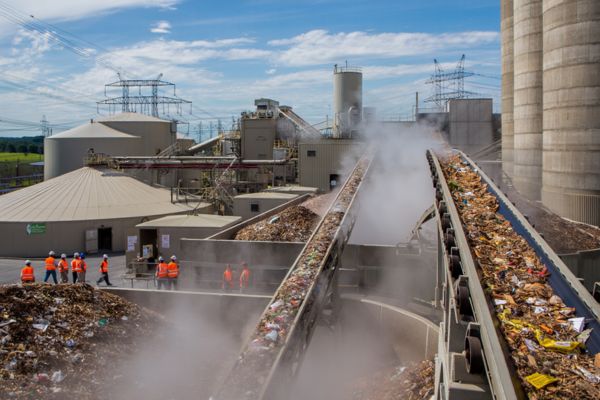
Successful facilities depend on smart feedstock management. Modern systems use agricultural residues, forestry waste, and even municipal organic waste.
These strategies support biomass-to-energy programs that reduce landfill pressure and methane emissions.
Biomass Plant Efficiency and New Innovations
Efficiency is a major focus worldwide. Innovations like high-temperature gasifiers, digital monitoring, and advanced boilers increase biiss energy plant efficiency and reduce costs.
Emerging technologies—like torrefaction, fast pyrolysis, and carbon-capture integration—are defining biomass plant sustainability and shaping future energy infrastructure.
Biomass Plant Technology and Trends for 2025
The U.S. Department of Energy reports major growth in regional biomass capacity and investment. States like Georgia, Virginia, and Oregon lead the market.
Trends include large-scale biomass power generation, mobile gasification units, and district heating supported by biomass CHP systems. Recent global data from the IEA Bioenergy Global Data shows strong growth in biomass deployment, with new projects expanding across the U.S., Europe, and Asia.
U.S. and Global Biomass Energy Capacity (2025)
Below is a simple comparison of energy capacity trends:
| Region | Estimated Biomass Capacity (2025) | Growth Trend |
| United States | 16–18 GW | Steady increase, driven by CHP and gasification |
| European Union | 25–30 GW | Rapid growth due to strict emissions laws |
| Asia | 30–35 GW | Large expansion in waste-to-energy |
This data highlights rising biomass plant global capacity and growing demand for low-carbon heating and power.
Biomass Plant Cost and Investment Opportunities
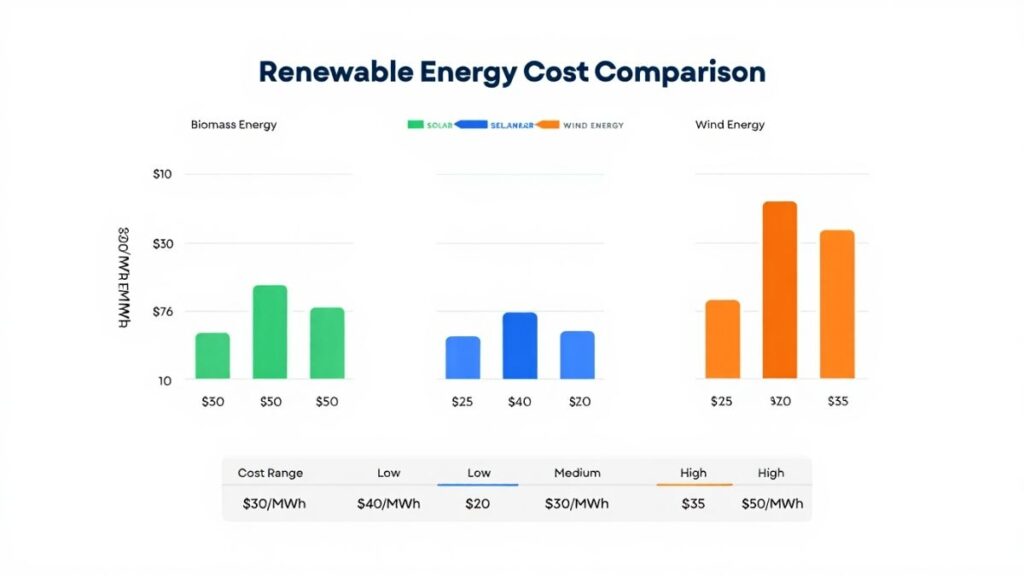
Investment interest is rising due to federal incentives, tax credits, and carbon-reduction programs. Costs vary by plant type, size, and feedstock availability.
The average commercial biomass plant cost in the U.S. ranges from $2,000 to $4,500 per kW, depending on technology. Investors are focusing on CHP, gasification, and waste-to-energy facilities due to higher efficiency.
Best Locations for Biomass Plants in the U.S.
Biomass plant location optimization relies on feedstock availability, transport access, and grid connections. Regions with strong forest industries and agricultural activity have the lowest operational costs.
States like Alabama, Mississippi, Georgia, and North Carolina offer high-value opportunities for commercial bioenergy developers.
Real-World Example in the U.S.
The Burlington, Vermont CHP project remains a leading case study in renewable municipal heating. The plant uses local wood chips and has delivered stable heat and power for decades. Learn more about biomass technologies from this detailed resource on biomass gasification:
👉 Read advanced gasification insights here: Biomass Gasification Benefits & Process
Future of Biomass Energy Plants in the United States
The future looks strong for biomass plant renewable energy. Federal programs encourage low-carbon heat, rural energy development, and sustainable forestry.
By 2030, experts expect growth in localized biomass fuel plants, advanced waste-to-energy systems, and hybrid renewable plants using solar-biomass microgrids.
New projections in the future of biomass energy production show how emerging technologies and U.S. policy changes are shaping the next decade of bioenergy growth.
Conclusion
A biomass energy plant offers reliable, sustainable, and flexible renewable power that supports the United States’ clean-energy goals. With strong technologies like gasification and CHP, high job creation, rising investments, and local environmental benefits, biomass remains a crucial part of America’s energy future.
FAQs
Q1: What is a biomass energy plant?
A biomass energy plant is a facility that converts organic materials into electricity and heat through biomass energy conversion.
Q2: Is biomass energy good or bad?
Biomass energy is generally good for renewable power, but sustainability depends on responsible sourcing and efficient technologies.
Q3: What are the problems with biomass plants?
Challenges include feedstock availability, land use, emissions, and initial biomass plant cost.
Q4: How much does a biomass power plant cost to build?
Construction costs typically range from $2,000 to $4,500 per kW, depending on size and technology.
Q5: Is biomass cheaper than gas?
Biomass can be cost-competitive with natural gas, especially when waste feedstock and local incentives are used.

Welcome to Renewable Energy! I’m Adnan, Owner, Admin, and Author of this Website.