Summary:
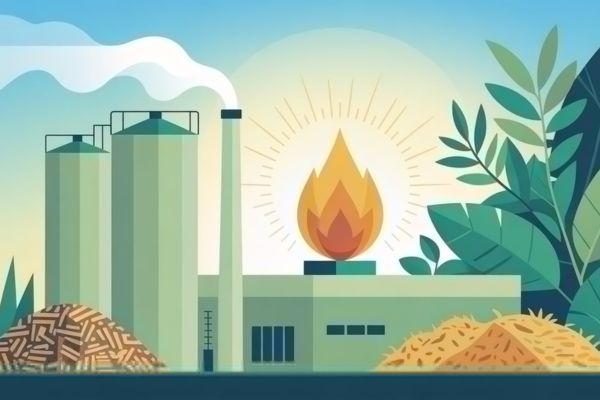
Biomass energy is a renewable source that explores how organic materials, such as wood, crops, and waste, generate clean power. Learn about carbon neutrality, sustainable feedstocks, conversion technologies, and the benefits and challenges of using biomass as a reliable, renewable energy source in the U.S.
What is biomass energy, and why does it matter
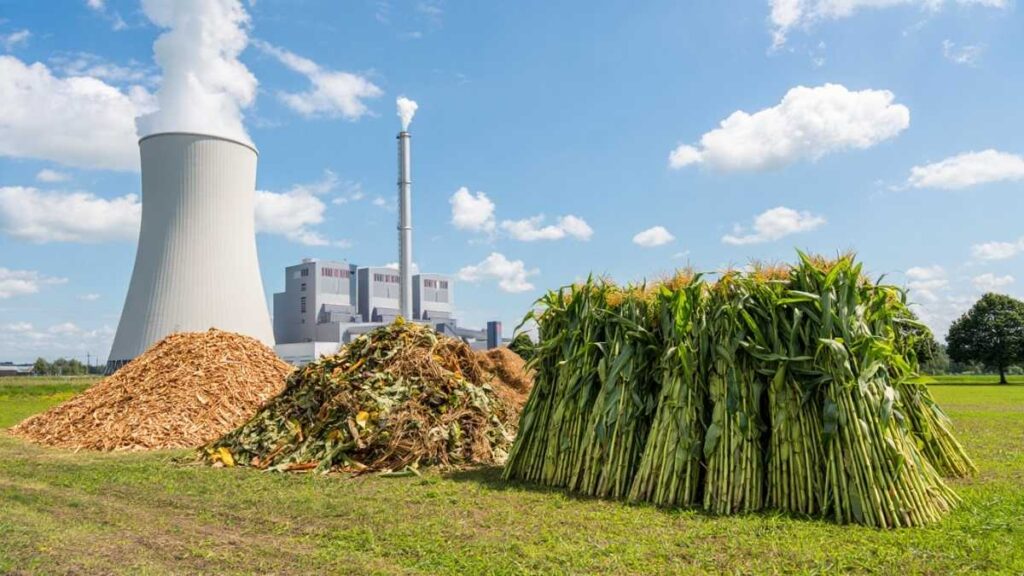
Whether biomass energy is renewable is a question at the heart of modern U.S. energy discussions as the country works to reduce carbon emissions and transition away from fossil fuels. Derived from organic materials such as wood, crops, forestry residues, and organic waste, biomass offers a practical renewable energy solution that can generate electricity, heat, and biofuels while supporting waste reduction and energy security.
This article explores biomass energy’s renewability by explaining how biomass power generation works, examining the most common biomass feedstock sources in the U.S., and analyzing whether biomass energy is truly carbon-neutral over its full life cycle. You will learn how modern biomass conversion technologies—such as combustion, gasification, anaerobic digestion, and combined heat and power (CHP)—are improving efficiency and reducing environmental impact.
We also evaluate the measurable benefits of biomass renewable energy, including reliable baseload power, rural economic development, and greenhouse gas reduction, alongside real-world challenges such as land use, emissions control, and sustainability standards. Finally, this guide compares biomass with other renewable energy sources like solar and wind to clarify where biomass fits within the evolving clean energy mix. By the end, you’ll clearly understand whether biomass energy is renewable and how it turns organic waste into usable power for a more sustainable future.
biomass energy is it renewable? Understanding the core question
Biomass is considered renewable when the organic material used—like residues, wood waste, or dedicated crops—can regrow at a sustainable rate. This is why biomass renewable energy sources remain important in the U.S., especially in regions rich in forestry and agricultural by-products. When feedstocks are managed responsibly, the supply becomes continuous instead of finite, like coal or natural gas. When evaluating biomass energy is it renewable, experts look at land use, carbon cycles, and long-term sustainability
However, biomass energy is it renewable, depending on land use, farming practices, and harvest speed. If forests are cleared rapidly or crops require heavy inputs, renewability drops. The phrase “Is biomass energy truly renewable?” usually reflects concerns about carbon emissions and regrowth rates. When forests re-grow or waste streams remain steady, biomass maintains long-term renewability.
When biomass qualifies as renewable — and when it doesn’t
Biomass qualifies as renewable when regrowth keeps pace with use, when it comes from true waste streams, or when feedstocks follow certified sustainability standards. It’s not considered renewable when harvesting exceeds regrowth or when land-use change increases emissions over decades.
Why the renewability debate matters for climate goals
The debate affects federal incentives, investment decisions, and renewable portfolio standards. Policymakers focus on the carbon payback period and the life-cycle emissions of biomass electricity generation to ensure programs truly support U.S. decarbonization.
How biomass energy works: the main processes explained simply
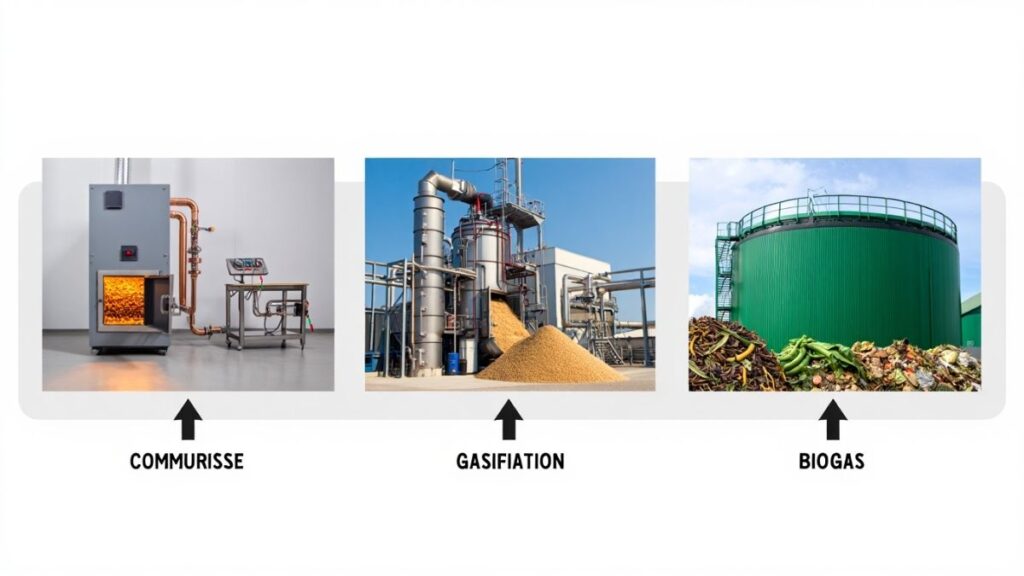
Biomass energy works by converting organic material into usable heat, electricity, or fuels. Traditional combustion still powers many plants, but modern biomass conversion technologies like gasification and pyrolysis are far cleaner and more efficient. These systems help reduce lifecycle emissions and support grid reliability, especially in rural areas. To answer biomass energy is it renewable, we must understand how quickly organic materials can regrow and replace themselves
CHP (combined heat and power) systems are also gaining ground in the U.S. because they use the same biomass input to produce both heat and electricity. This increases efficiency dramatically and strengthens the argument that biomass energy is it renewable when advanced technologies maximize output with lower emissions.
Combustion and heat production
Direct combustion burns biomass to create steam that generates electricity. It’s simple, reliable, and dominant in U.S. plants. Modern upgrades reduce pollutants and increase efficiency.
Gasification and pyrolysis for cleaner outputs
Gasification of biomass converts biomass into a clean syngas, while pyrolysis produces bio-oil and biochar. These innovations improve environmental performance and support biomass waste-to-energy systems nationwide.
Anaerobic digestion and biogas
Organic waste from farms, cities, and wastewater facilities is broken down by microbes to produce methane-rich biogas. This renewable gas helps cut landfill emissions and supports rural energy independence.
Common biomass feedstocks & where they come from
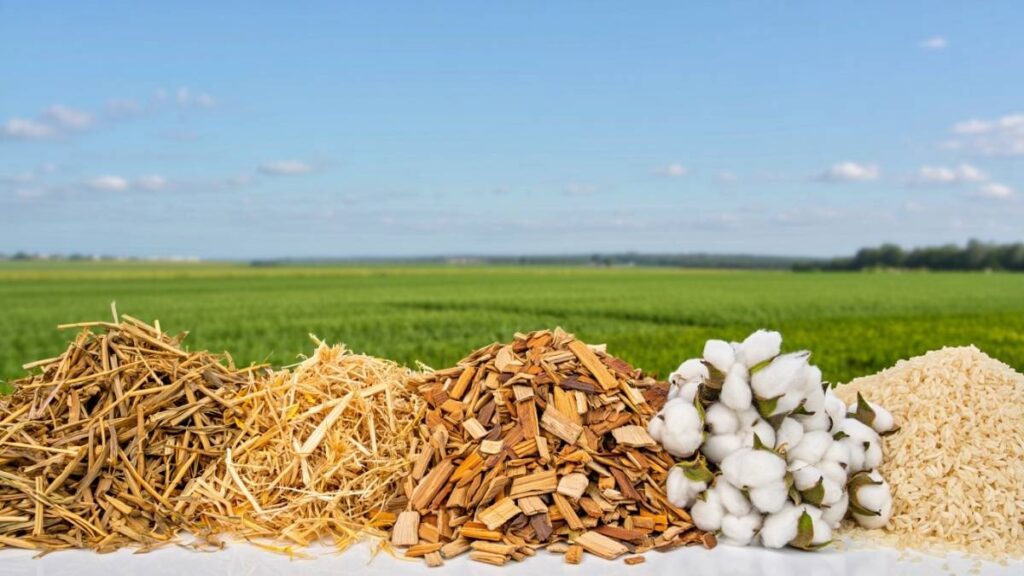
Biomass feedstocks vary by region, but the most common sources include wood residues, agricultural by-products, and organic waste used for power and heat, especially in the U.S. See all major types of biomass energy for a deeper breakdown. These materials help communities turn waste streams into reliable energy while supporting local economies. Many U.S. farmers already supply residues for biomass fuel types like pellets or briquettes. Farm-based systems help prove that biomass energy is it renewable when managed with strong sustainability guidelines
Emerging feedstocks such as algae and industrial by-products are gaining attention because they reduce pressure on forests and farmland. As the market grows, diversified biomass feedstock sources help maintain sustainability while strengthening the argument that biomass energy is it renewable when responsibly managed.
Forestry residues and woody biomass
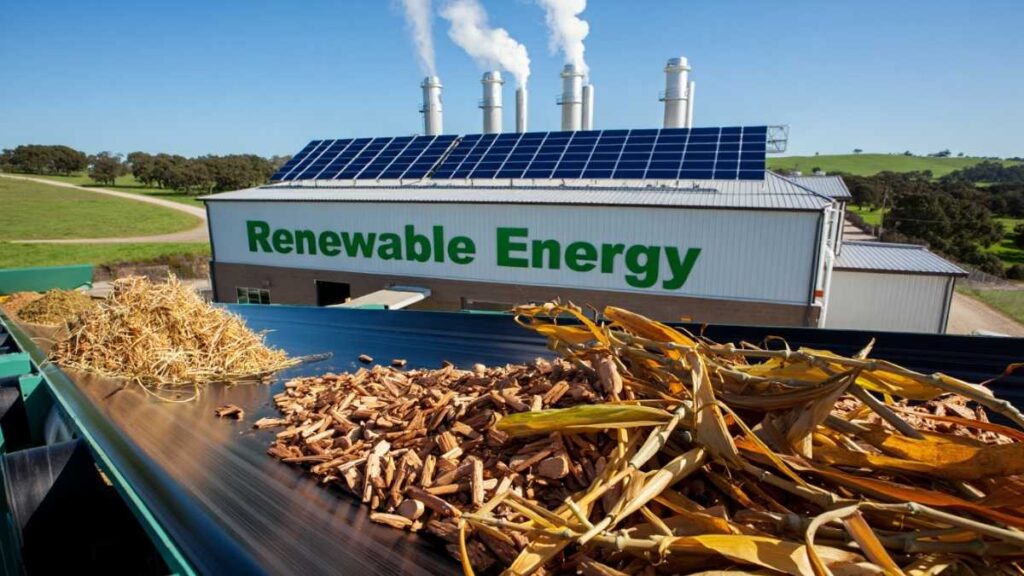
Sawdust, logging residues, and wood chips remain the largest feedstock category. They support rural jobs and reduce wildfire risk when collected responsibly.
Agricultural residues and energy crops
Corn stover, sugarcane bagasse, switch grass, and miscanthus are key contributors. These materials often require no extra land, strengthening their renewability profile.
Organic and municipal waste
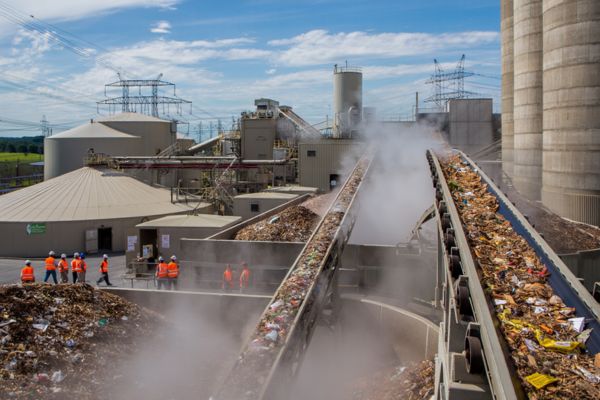
Food waste, landfill gas, and yard waste provide steady supplies, supporting biomass renewable energy applications in both cities and industries.
Is biomass carbon-neutral? A life-cycle view
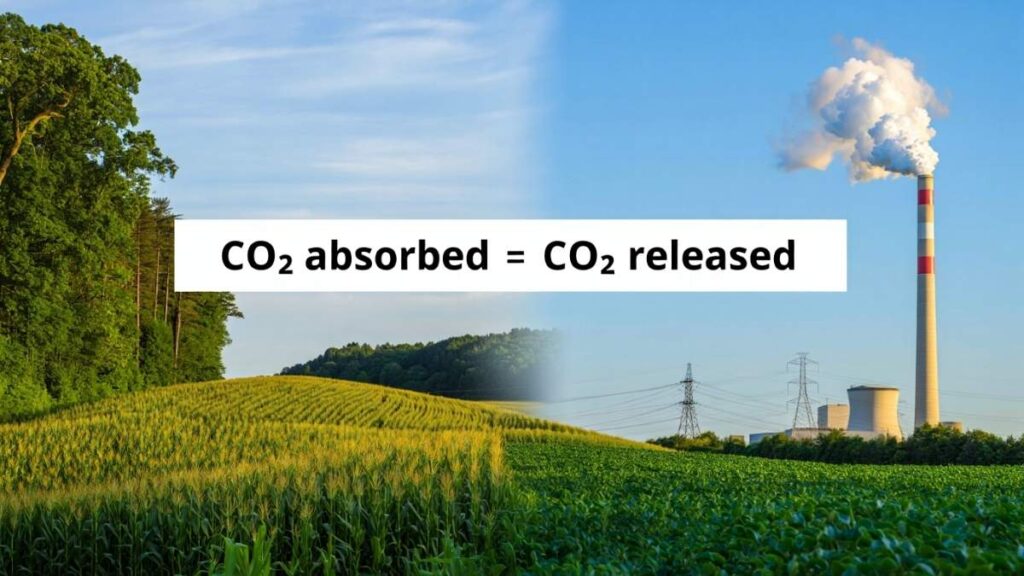
Biomass can be carbon-neutral because plants absorb CO₂ while growing, which offsets the CO₂ released during energy production. This natural cycle supports the principle of biomass and carbon neutrality, especially when shorter-lived plants or waste streams are used. Many researchers highlight that biomass can significantly reduce emissions compared with coal.
Modern plants also improve carbon performance through CHP systems and cleaner combustion. Learn more about biomass electricity generation and its efficiency trends.”
Recent studies show that replacing coal with biomass co-firing can reduce lifecycle emissions by over 70%. However, true neutrality depends on land practices, transportation, and regrowth rates. Answering the common question “how does biomass energy reduce carbon emissions?” requires looking at both short- and long-term impacts.
The carbon cycle and timing
Fast-growing crops and waste-based biomass offer quicker carbon payback periods, making them more favorable than slow-growing forests.
Land use and harvesting practices
If land-use change increases emissions, biomass loses its neutrality. Certified programs help ensure that sustainable biomass energy remains part of climate strategies.
Benefits of biomass energy: practical, measurable advantages
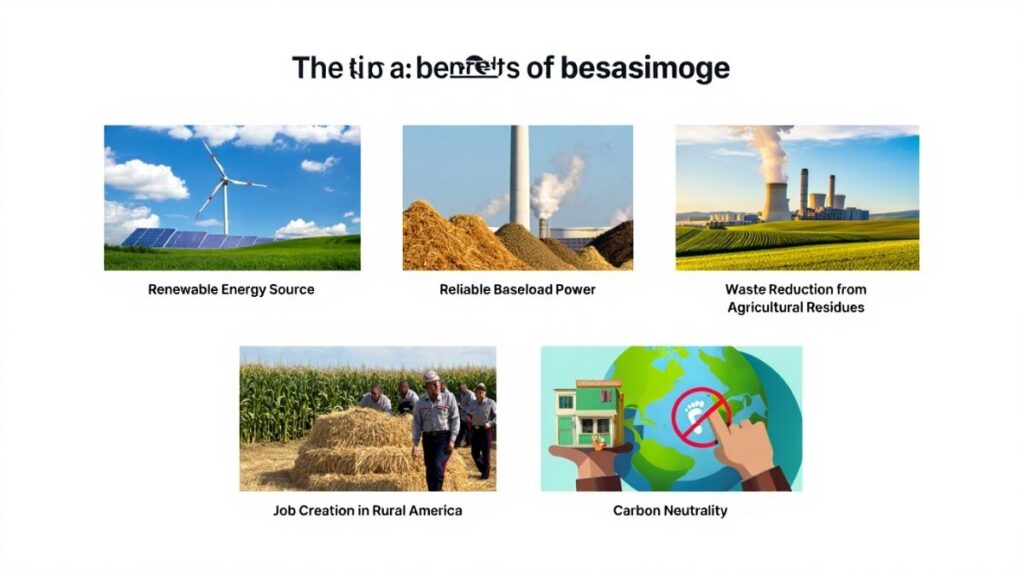
Biomass supports grid stability, economic growth, and rural development across the U.S. Unlike solar and wind, it provides steady power, making it a valuable dispatchable resource. This reliability is why many regions still depend on biomass power generation in 2025 and beyond.
Biomass also helps recycle waste, cut methane emissions, and create bio-products like biochar and renewable natural gas. These advantages reinforce the argument that biomass energy is it renewable when systems prioritize conservation, waste recovery, and efficient fuel use.
These advantages support cleaner, affordable energy production. Here’s a deeper look at the top benefits of biomass energy shaping U.S. sustainability.”
Reliability and baseload power
Biomass runs 24/7, supporting hospitals, industries, and district heating systems where continuous energy is essential.
Waste reduction and circular benefits
Organic waste becomes energy rather than landfill methane, supporting sustainability goals and cutting disposal costs.
Job creation and economic growth
The biomass sector supports forestry workers, farmers, technicians, and engineers, strengthening rural economies.
Disadvantages & real-world sustainability challenges
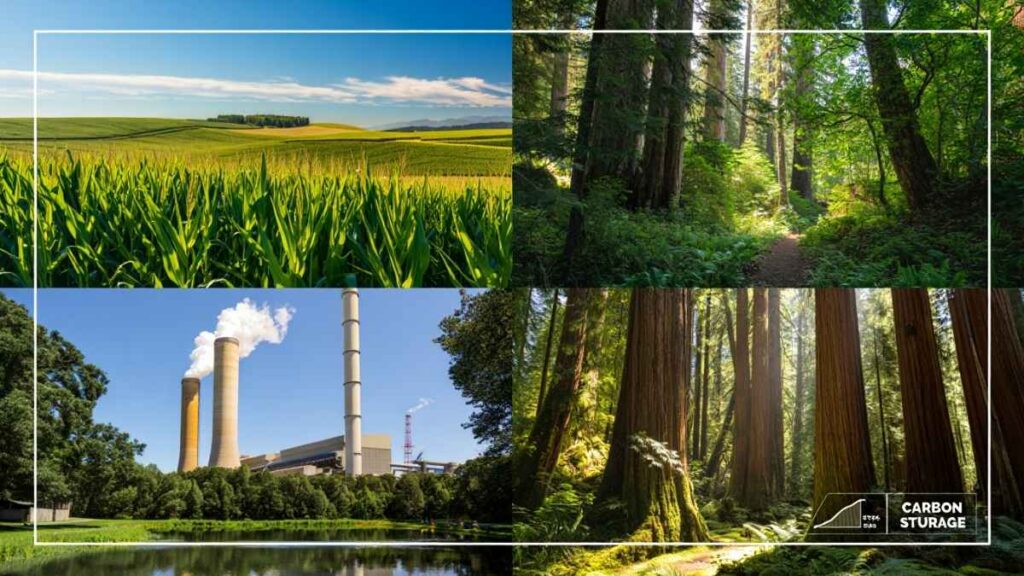
Biomass faces criticisms involving land use, emissions, and long-term sustainability. Using too much land for energy crops can compete with food production and biodiversity. These challenges highlight the need for careful sustainability standards.
A full breakdown of the advantages and disadvantages of biomass energy helps compare both sides clearly. These risks fuel debates around biomass sustainability and environmental impact, especially when forests are involved.
Air pollutant emissions and supply-chain issues also create challenges. Even though modern technologies reduce impacts, poor management undermines the claim that biomass energy is it renewable. Transparency and strong regulation are key to addressing these concerns.
Land use and ecological pressure
Large-scale biomass projects must avoid deforestation, soil degradation, and biodiversity loss to maintain long-term renewability.
Emissions and local impacts
Without emissions controls, biomass plants can release particulates and NOx. Modern systems greatly reduce these risks.
Supply-chain and cost challenges
Transporting bulky biomass increases costs and emissions. Regional supply networks help optimize sustainability.
Policy, standards, and best practices for sustainable biomass
Strong policy frameworks determine how biomass fits into national energy planning. The U.S. follows Renewable Portfolio Standards (RPS), EPA air-quality rules, and sustainability certifications to ensure that biomass energy policy supports climate goals.
Best practices include efficient conversion technologies, certified feedstocks, and monitoring carbon payback periods. These efforts help guarantee that biomass renewable energy stays aligned with national climate commitments.
U.S. standards and renewable eligibility
Federal and state policies define when biomass qualifies for renewable energy credits, influencing investment and growth.
Certification and sourcing requirements
Programs like FSC and SFI ensure responsible forestry practices that support long-term renewability.
Best practices for long-term climate alignment
Efficient harvesting, transportation planning, and advanced CHP systems strengthen biomass sustainability.
Biomass vs other energy options: fossil fuels, wind, solar & electrification
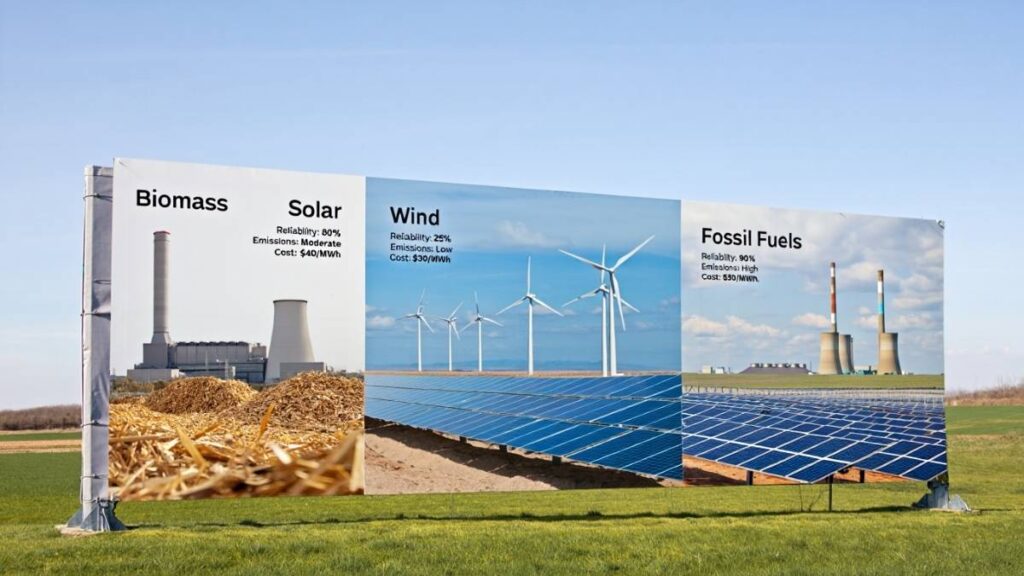
Biomass often complements wind and solar because it can provide stable power during low-wind or nighttime conditions. Unlike solar, it’s not intermittent. Unlike fossil fuels, it can be replenished and often emits far less CO₂ when sustainably sourced.
Biomass isn’t always the best option, especially when electrification or heat pumps offer higher efficiency. But in heavy industry, district heating, and waste management, biomass remains a valuable solution for reducing emissions and answering the question “can biomass replace fossil fuels?” in specific scenarios.
Biomass vs coal, oil, and natural gas
Biomass can cut lifecycle emissions by over 70% when used for coal co-firing, making it a strong decarbonization tool.
How biomass complements wind and solar
Biomass supports grid reliability, making it a strong partner to variable renewable energy sources.
When is electrification better?
In residential heating, heat pumps can outperform biomass in efficiency and emissions reductions.
The future: innovations, scalability & the role of BECCS and advanced biofuels
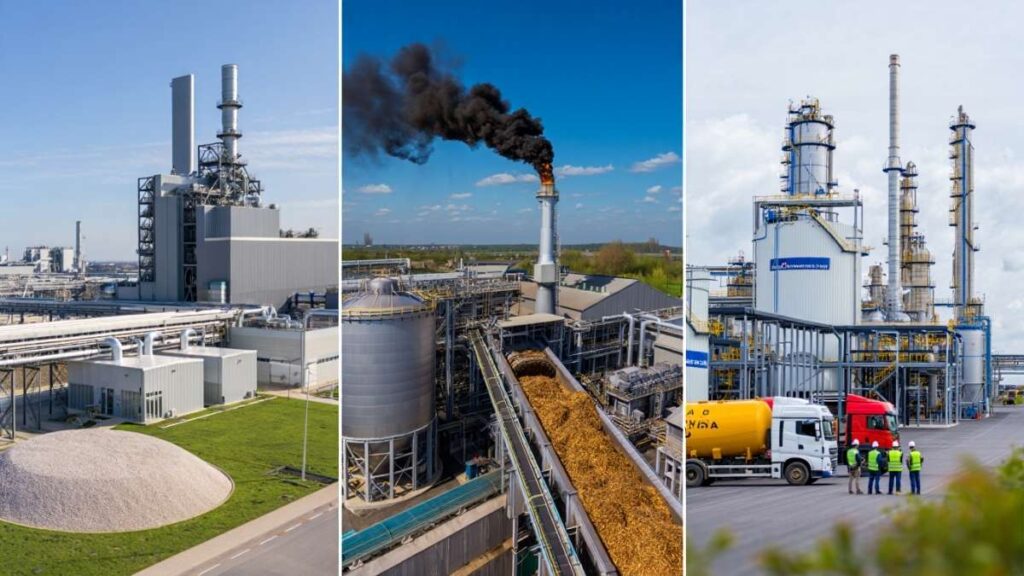
Innovation is rapidly transforming the biomass sector. BECCS (Bioenergy with Carbon Capture and Storage) may soon deliver negative emissions, supporting national climate goals. Advanced biofuels also help decarbonize aviation and shipping, where electrification remains challenging.
The global market for biomass is projected to reach $146.58 billion by 2025, driven by investments in sustainable technologies. Microwave-assisted pyrolysis, Torre fraction, and improved anaerobic digestion are reshaping the sector.
These innovations strengthen the argument that biomass energy is it renewable when paired with modern technology. The future of biomass energy production is driven by cleaner technology and scalable systems
BECCS and negative emissions potential
BECCS captures carbon during biomass energy production, offering one of the few viable negative-emission pathways.
Advanced biofuels for hard-to-decarbonize sectors
Aviation, maritime shipping, and freight rely on biofuels to meet climate targets.
Efficiency improvements and emerging technologies
Gasification, pyrolysis, and CHP are improving performance while reducing environmental impact.
Conclusion & clear, search-friendly takeaways
Biomass remains a renewable resource when feedstocks are harvested responsibly, waste streams are utilized, and modern technologies reduce emissions. Its flexibility, reliability, and waste-reduction benefits make it a valuable part of the U.S. renewable energy mix. With innovations like BECCS and advanced biofuels, the role of biomass will continue evolving. Understanding biomass energy is it renewable helps communities, policymakers, and businesses make informed energy decisions for a sustainable future.
FAQs
Is burning wood or pellets truly renewable?
Yes, when wood comes from sustainable forests where growth exceeds harvesting. Unsustainable logging reduces renewability.
Does biomass produce greenhouse gases?
Yes, but lifecycle emissions are often far lower than coal or oil. Waste-based systems offer the lowest emissions.
Can biomass replace coal in U.S. power plants?
Many coal plants co-fire biomass to reduce emissions. Full replacement is possible but depends on regional feedstock supply.

Welcome to Renewable Energy! I’m Adnan, Owner, Admin, and Author of this Website.