
Quick Summary:
Biomass electricity generation converts organic waste into clean, reliable power using modern combustion, gasification, and biogas systems. This article explains how it works, its benefits, efficiency, environmental impact, and future trends to help readers understand the full value of biomass energy.
Introduction
Biomass electricity generation is a powerful renewable energy solution that turns organic waste and plant materials into clean, reliable power. By using biomass feedstock types such as agricultural residues, wood, and food waste, this process not only produces carbon-neutral electricity but also supports a circular economy by reducing landfill dependency.
Modern biomass power plants employ technologies like combustion, gasification, and combined heat and power (CHP) systems to maximize efficiency and energy output. In this article, you’ll explore how electricity is generated from biomass, the types of feedstocks used, technological methods, environmental benefits, challenges, and the future of sustainable biomass power generation methods in the United States.
What Is Biomass Electricity Generation?
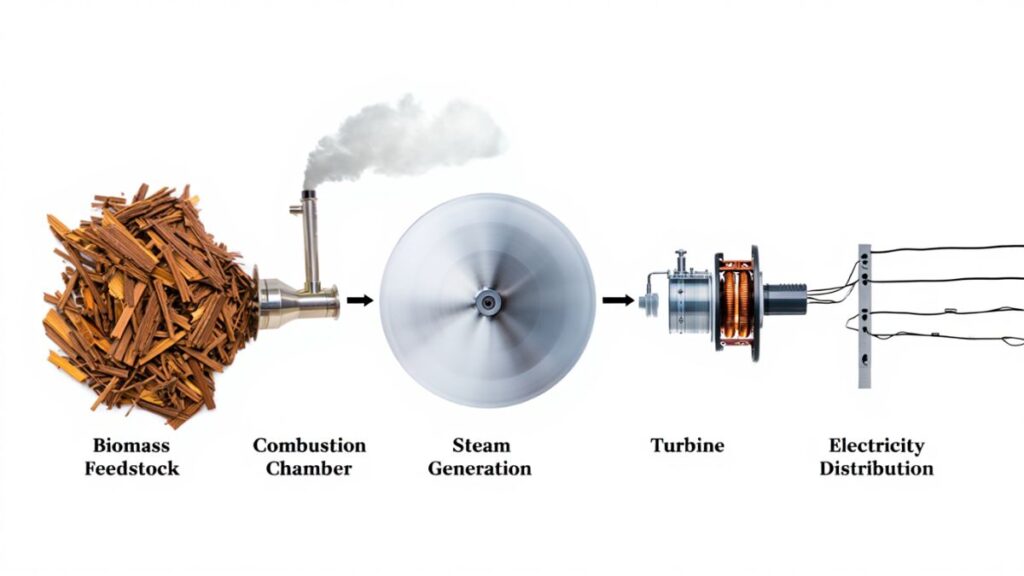
Biomass electricity generation converts organic materials into renewable power using combustion, gasification, or anaerobic digestion. These organic materials—known as biomass feedstocks—include wood residues, agricultural waste, energy crops, and municipal waste. Because biomass comes from naturally replenishing materials, it’s considered a renewable energy source and supports America’s long-term energy goals.
To understand how sustainable biomass fits into the U.S. clean power mix, recent data from the U.S. Energy Information Administration (EIA) shows steady growth in renewable bioenergy sources.
his technology creates carbon-neutral electricity because the CO₂ released during generation roughly equals the CO₂ absorbed by plants during growth. It also helps manage waste streams that would otherwise emit methane, a much stronger greenhouse gas. As a result, biomass supports a cleaner grid while offering steady, round-the-clock power output. If you want a broader understanding of how biomass fits into the full renewable energy sector, explore our detailed guide on renewable biomass energy
Definition and Core Concept
Biomass electricity generation relies on using organic material as fuel to produce heat or gas that powers turbines and generators. This process is central to many biomass power plants located across the United States, especially in states with strong forestry and agricultural industries.
Why Biomass Is Considered Renewable
Biomass feedstocks continuously regenerate from crops, forests, and waste streams. This replenishment makes biomass different from fossil fuels, which take millions of years to form. Its renewable nature supports bioenergy sustainability goals.
Biomass vs Fossil Fuels
Unlike coal or oil, biomass is tied to short-term carbon cycles. The carbon released during electricity generation was already stored recently in the plant material, maintaining a neutral cycle. This characteristic supports biomass carbon neutrality goals nationwide. Unlike fossil fuels, biomass electricity generation follows a short carbon cycle, helping the U.S. reduce net emissions and improve grid sustainability.
Role in U.S. Energy Mix
Biomass is a reliable part of America’s renewable portfolio. It fills gaps left by intermittent resources like wind and solar. This makes biomass power capacity valuable for grid stability and rural energy development.
Types of Biomass Feedstocks Used in Electricity Generation
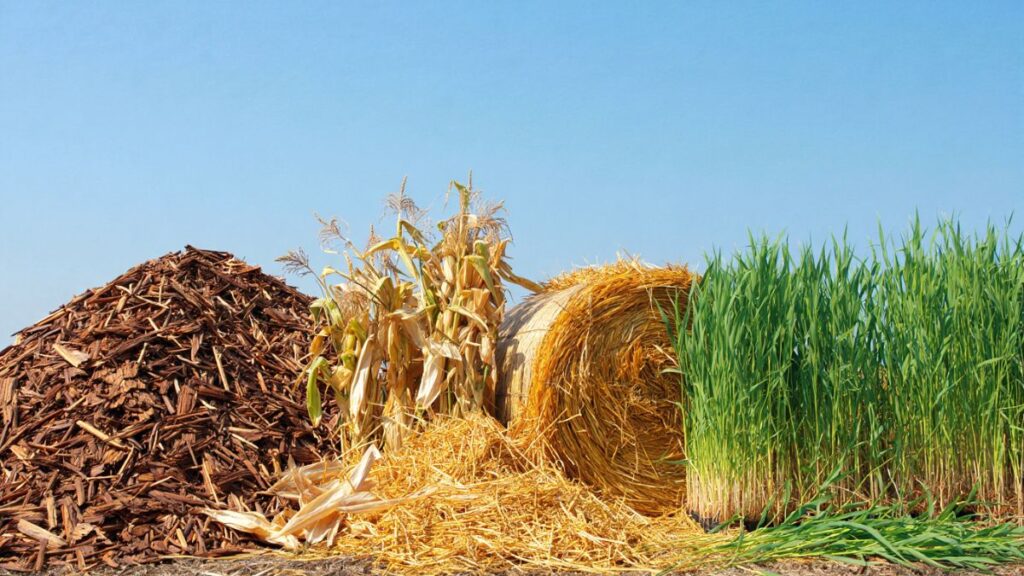
Biomass feedstocks come from a variety of organic sources. Each type affects energy content, emissions, efficiency, and overall plant design. The three largest categories are wood biomass, agricultural residues, and municipal/industrial waste. Many U.S. power plants blend multiple feedstock types for flexibility and a steady supply.
Different feedstocks directly influence how efficiently biomass electricity generation performs, especially in plants using advanced boilers or gasifiers. Feedstock quality affects system efficiency, especially in modern technologies like the biomass gasification process and biomass combustion technology. Energy-rich feedstocks produce cleaner energy, while wet, low-density materials require preprocessing such as drying, grinding, or torrefaction.
Wood and Forestry Residues
This is the most common feedstock for U.S. biomass plants. Wood chips, sawdust, bark, and logging debris deliver high energy content and stable combustion performance, supporting biomass power plant efficiency improvements in 2025.
Agricultural Waste and Crop Residues
Agricultural residues like corn stover and rice husks play a major role in biomass electricity generation across rural America. Corn stover, rice husks, bagasse, cotton stalks, and peanut shells are widely available in rural regions. These materials support agricultural residue energy development and reduce open-field burning.
Energy Crops and Dedicated Biomass Plants
Crops like switchgrass, miscanthus, and fast-growing willow are grown specifically for energy production. They provide a predictable supply and support sustainable biomass power generation methods.
Municipal and Industrial Organic Waste
Landfill waste, food scraps, and industrial byproducts feed waste-to-energy biomass facilities. These plants reduce landfill pressure while producing electricity from organic waste.
How Biomass Electricity Generation Works (Step-by-Step)
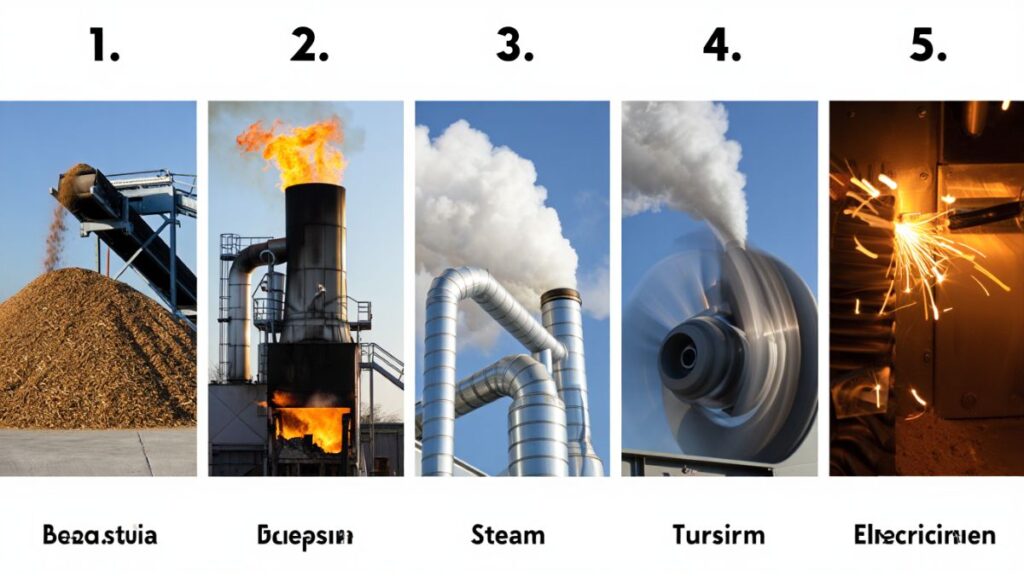
Biomass electricity can be produced through several technologies, but the core idea remains the same: convert organic materials into heat or gas, then use that energy to spin a turbine. The most common methods are combustion, gasification, and anaerobic digestion. Each method has unique advantages based on feedstock and energy goals.
Modern biomass electricity generation relies on combustion, gasification, and biogas systems that convert organic materials into reliable electrical power. These systems work in both small rural units and large biomass power plants, supplying tens of thousands of homes. The choice of technology depends on efficiency targets, emissions regulations, and cost.
According to the U.S. Department of Energy, modern biomass power plants use advanced systems that improve fuel efficiency and reduce emissions.
Combustion Systems (Most Common Method)
Biomass is burned to produce steam, which drives a turbine connected to a generator. Modern biomass combustion technology includes advanced boilers that reduce emissions and improve fuel efficiency. Combustion remains the most widely used method for biomass electricity generation because it delivers consistent output at utility scale.
Biomass Gasification
Gasification converts solid biomass into syngas. This gas powers high-efficiency engines or turbines, offering cleaner operation and supporting biomass gasification technology in power generation.
Anaerobic Digestion for Biogas Electricity
Organic waste decomposes in oxygen-free tanks, creating methane-rich biogas. This biogas fuels engines or microturbines, improving rural and farm energy independence.
Co-Firing with Coal
Many plants blend biomass with coal to cut emissions and transition toward cleaner energy. Biomass co-firing with coal reduces carbon intensity without major infrastructure changes.
Advantages of Biomass Electricity Generation
Biomass offers benefits that other renewables can’t provide, such as 24/7 power and local job creation. It also helps manage waste streams and supports renewable energy sources. For rural areas, biomass plants stimulate local economies by buying agricultural and forestry residues.
In 2025, the U.S. Department of Energy continues to highlight biomass’s role in energy security. It provides dispatchable power—meaning it can be increased or reduced depending on grid needs—which supports long-term reliability.
Reliable 24/7 Power Output
Solar and wind fluctuate, but biomass electricity is constant. This helps maintain grid balance, especially during peak demand or low renewable output days.
Waste Reduction and Resource Utilization
Biomass plants turn waste that would otherwise decay into valuable electricity, reducing methane emissions and landfill use. This supports sustainable biomass energy solutions.
Rural Economic Development
Biomass projects support farmers, forest workers, and trucking businesses. They create long-term local jobs, especially in regions with strong agricultural industries.
Supports Carbon-Neutral Goals
Biomass can achieve carbon-neutral electricity, especially when paired with carbon capture technologies. This integration helps the U.S. meet 2030 climate commitments.
Disadvantages and Environmental Concerns
Although beneficial, biomass power comes with challenges such as feedstock transportation, emissions, and sustainability questions. These concerns drive continuous research and policy updates to ensure biomass remains a genuinely renewable solution.
Understanding these challenges helps policymakers and investors plan long-term energy strategies that balance efficiency, cost, and environmental responsibility.
Land and Resource Use
Large-scale production may require significant land, raising concerns about competition with food crops or forests. Proper planning is necessary to avoid ecological harm.
Emissions and Air Quality
Combustion systems release particulates and NOx unless fitted with advanced filters. This impacts discussions around the environmental impact of biomass electricity production.
Feedstock Supply Fluctuations
Weather, crop yields, and transportation costs affect feedstock availability, influencing plant economics and operations.
Logistics and Transport Costs
Biomass is bulky and heavy. Transporting it long distances reduces cost efficiency and increases emissions unless optimized.
Biomass Combined Heat and Power (CHP) Systems
CHP systems generate both electricity and usable heat. They significantly boost efficiency compared to standard plants. Many universities, industries, and rural communities utilize biomass CHP to reduce their dependence on fossil fuels while lowering energy costs. CHP units significantly increase the efficiency of biomass electricity generation by capturing heat that traditional plants normally waste.
This dual-energy output improves fuel utilization and reduces waste. It also supports improvements in biomass power plant efficiency by 2025.
How CHP Improves Efficiency
CHP plants reach efficiency levels of 60–80%. Standard power plants lose most of their heat, but CHP captures it for industrial processes or heating buildings.
Industrial and Commercial Uses
Factories use CHP to power machinery while using leftover steam for drying or heating. This reduces overall operating costs.
District Heating Applications
Many U.S. campuses and communities use biomass CHP for district heating systems, improving energy reliability and reducing emissions.
Benefits for Rural Communities
Rural towns benefit from localized power systems that reduce grid dependency and support decentralized biomass electricity solutions for rural areas.
Latest Biomass Power Technologies in 2025
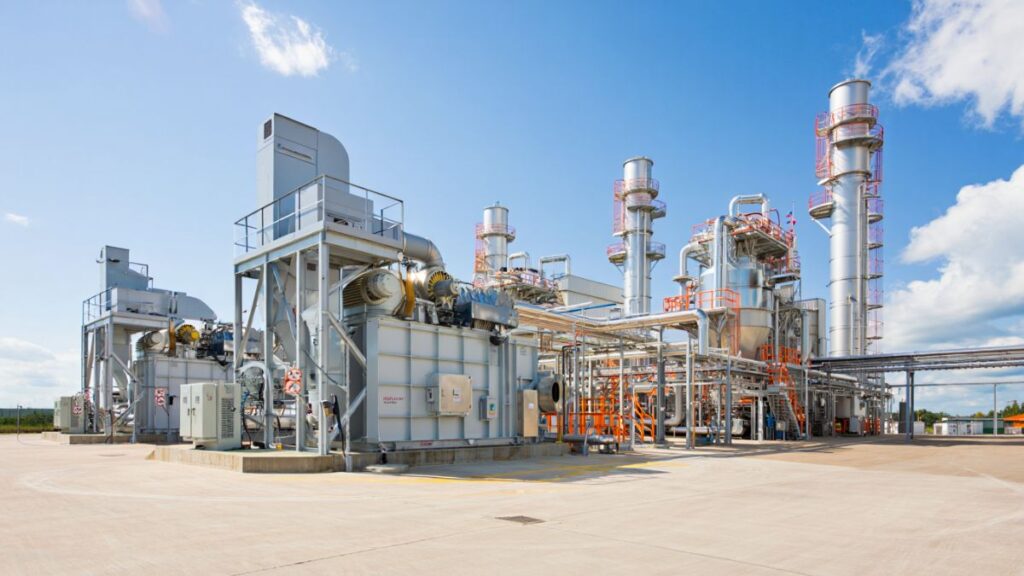
Technology advancements in 2025 allow biomass plants to operate cleaner and more efficiently. These modern updates include torrefied biomass fuel, high-efficiency boilers, better emission controls, and AI-based feedstock monitoring.
These innovations help the U.S. meet biomass carbon neutrality goals and improve plant competitiveness compared to fossil fuels.
Torrefaction and Biochar Production
Torrefied biomass burns cleaner and has higher energy density, making it easier to transport and store. It supports modern co-firing applications.
Digital Monitoring and AI Optimization
Sensors and AI systems analyze fuel moisture, combustion temperature, and emissions, allowing real-time adjustments that boost efficiency.
Gasification Reliability Improvements
New reactors improve syngas purity, supporting cleaner engines and turbines. This is central to advanced biomass power technologies.
Carbon Capture Integration
Biomass paired with carbon capture creates “negative emissions,” an important tool for U.S. climate strategies.
Global and U.S. Market Trends (2025–2030 Forecast)
The global biomass electricity market is growing as countries focus on carbon-neutral targets. In the U.S., investments continue in rural energy development, grid reliability, and waste-to-energy systems.
Analysts expect steady growth driven by improved technologies and supportive incentives.
Market Growth Forecast 2025–2030
The U.S. market is projected to expand as the biomass electricity market growth forecast 2025-2030 remains positive due to strong policy support.
Rising Demand for Waste-to-Energy Systems
Cities face landfill shortages, increasing interest in waste-to-energy biomass facilities.
Government Incentives and Funding
Federal and state incentives encourage renewable projects, supporting government incentives for biomass power projects in 2025.
Research and Development Expansion
Universities and national labs continue advancing feedstock pretreatment, gasification, and emissions reduction, pushing biomass power generation research 2025 forward.
Future of Biomass Electricity Generation
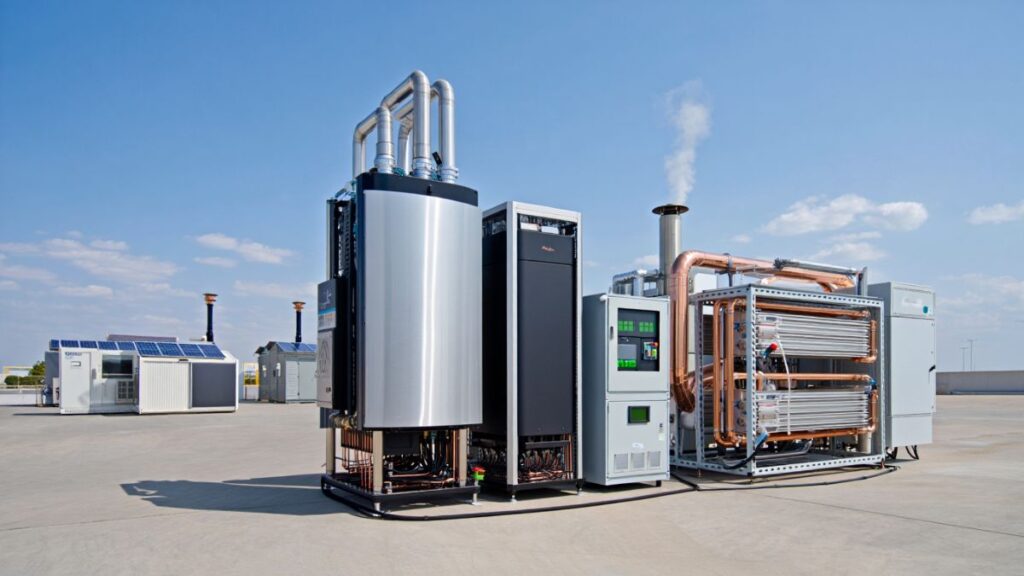
Biomass electricity will play a major role in building a resilient, clean, and flexible U.S. energy system. It complements wind and solar while adding value through waste reduction and rural economic support. With carbon capture and advanced combustion technologies, biomass could deliver carbon-negative power within the decade.
The future includes decentralized systems, more efficient technologies, and new energy crops designed for better yields and lower emissions. You can also learn how emerging technologies will reshape the future of biomass energy production as the U.S. moves toward cleaner electricity systems. The future of biomass electricity generation will focus on cleaner fuels, carbon capture, and expanding rural renewable-energy infrastructure.
Biomass and Carbon-Negative Power
Pairing biomass with carbon capture produces net-negative emissions—pulling more CO₂ from the air than is released.
Growth in Rural Renewable Hubs
Rural America will see more small-scale biomass units providing local power and backup energy.
Integration With Hydrogen Production
Some plants may convert syngas into hydrogen, supporting future clean-fuel markets.
Expanding Role in the Renewable Transition
Biomass will support grid reliability as the country transitions toward 80–90% renewable power.
Final Thoughts
Biomass electricity generation is a powerful clean-energy option that produces reliable electricity from organic waste, agricultural residues, and forestry byproducts. It reduces methane emissions, supports rural communities, and fits perfectly into America’s long-term clean-energy goals. With modern technologies and supportive policies, biomass will continue to grow as a major part of a sustainable energy future.
FAQs
1. Why don’t we use biomass energy?
Biomass energy is not used everywhere because it requires a constant supply of organic material, creates emissions if poorly managed, and can be more expensive than wind or solar. Some areas also lack enough feedstock to support large biomass power plants.
2. What percentage of electricity is produced by biomass?
Biomass provides about 1.3%–2% of total electricity in many developed countries, including the U.S. The exact percentage depends on energy policies, feedstock availability, and local investment in biomass facilities.
3. Can biomass power a house?
Yes, biomass can power a house through small-scale biogas units, pellet systems, or biomass generators. These systems convert organic waste into heat or electricity, making them a practical renewable option for rural or off-grid homes.
4. What is the cheapest way to generate electricity?
Wind and solar power are usually the cheapest electricity sources today because they have no fuel cost. Biomass can be cost-effective where agricultural or forestry waste is abundant, but it is usually more expensive than wind and solar.
5. How efficient is biomass electricity?
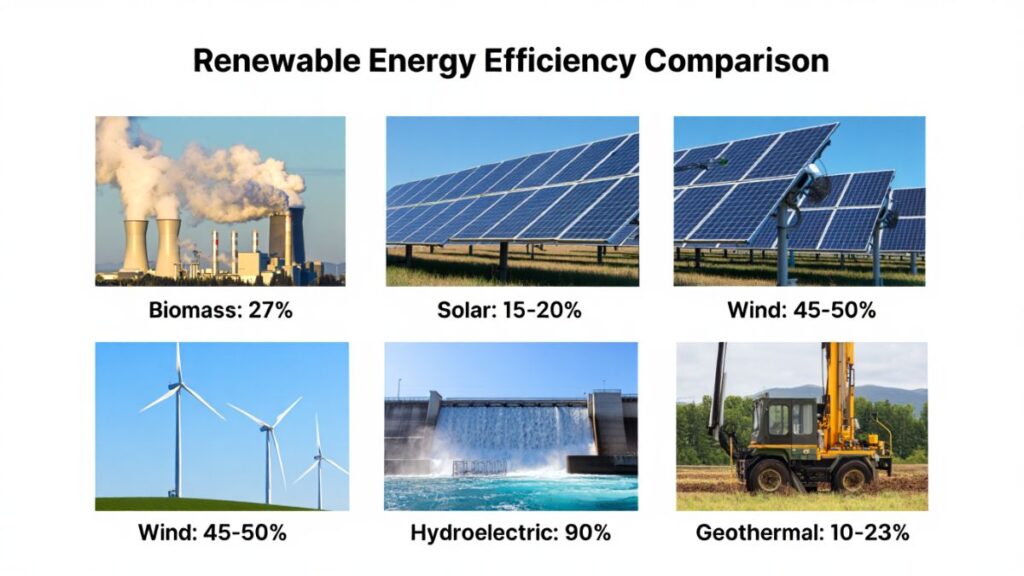
Biomass electricity systems typically operate at 20%–35% efficiency. Advanced combined heat and power (CHP) plants can reach up to 80% efficiency when both heat and electricity are captured and used.

Welcome to Renewable Energy! I’m Adnan, Owner, Admin, and Author of this Website.