Quick Summary:
The advantages and disadvantages of biomass energy reveal how bioenergy from agricultural residues, forestry waste, and municipal solid waste supports renewable power, reduces waste, and boosts energy security. This article explores the advantages and disadvantages of biomass energy in terms of technologies, environmental impacts, economic viability, and practical challenges, providing readers with a clear, up-to-date view of biomass energy in 2026.
Introduction
The advantages and disadvantages of biomass energy are crucial to understand as the world shifts toward cleaner and more sustainable power. Biomass, derived from renewable organic material like agricultural residues, forestry waste, and municipal solid waste (MSW), can be converted into bioenergy through processes like anaerobic digestion or gasification. Globally, Renewable organic materials like agricultural residues, forestry waste, and municipal solid waste (MSW) play a major role in modern bioenergy systems, as highlighted in our broader guide on biomass renewable energy.
There were about 4,971 biomass power plants in early 2024, producing roughly 83.8 GW of electricity, with China, Brazil, the U.S., and India leading capacity (Ecoprog, 2024). This article explores the advantages and disadvantages of biomass energy, including its practical benefits, environmental considerations, and economic feasibility.
Current Global Biomass Energy Overview (2024–2025)
In early 2024, there were around 4,971 active biomass power plants worldwide, totaling about 83.8 GW of installed capacity. This data highlights the scale of biomass energy. Projections suggest growth to roughly 5,980 plants and 96.8 GW by 2033, which shows the global interest in the advantages and disadvantages of biomass energy adoption (Ecoprog, 2024).
According to IRENA, global bioenergy capacity reached 151 GW in 2024. Meanwhile, REN21 reports that solid bioenergy contributed to 3.5% of total final energy consumption and 8.3% of global heat consumption, reflecting both the advantages and disadvantages of biomass energy in practical use.
What Is Biomass Energy? (Is It Renewable?)
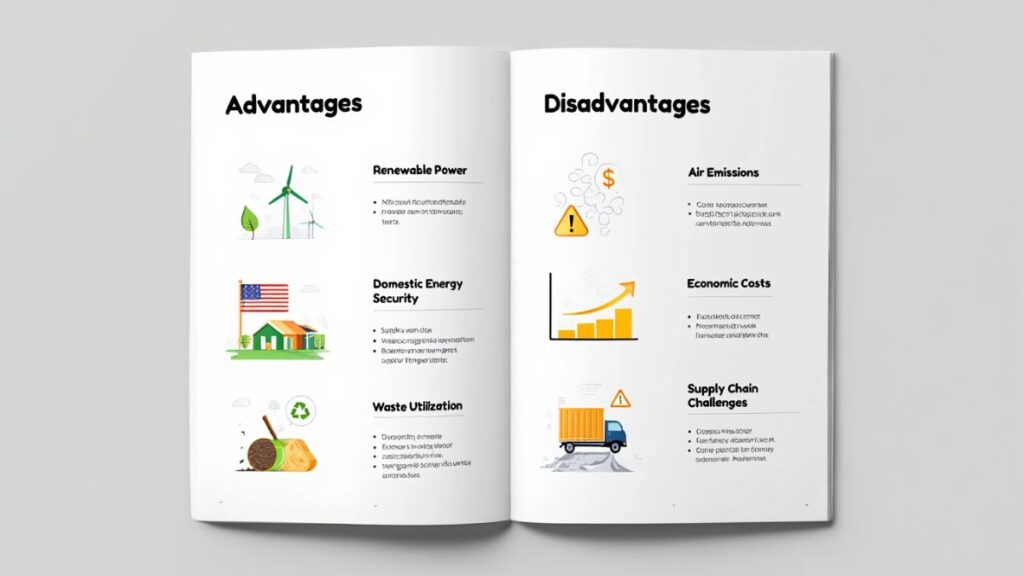
Biomass energy comes from organic matter like wood chips, agricultural residues, or waste materials. Unlike fossil fuels, it can regrow or be produced continuously, making it generally renewable.
The advantages and disadvantages of biomass energy depend on sustainable harvesting practices and the closure of the carbon cycle. Poor management can lead to deforestation, ecosystem damage, or a net carbon increase (IEA Bioenergy, 2024).
How Biomass Becomes Usable Energy (Technologies & Processes)
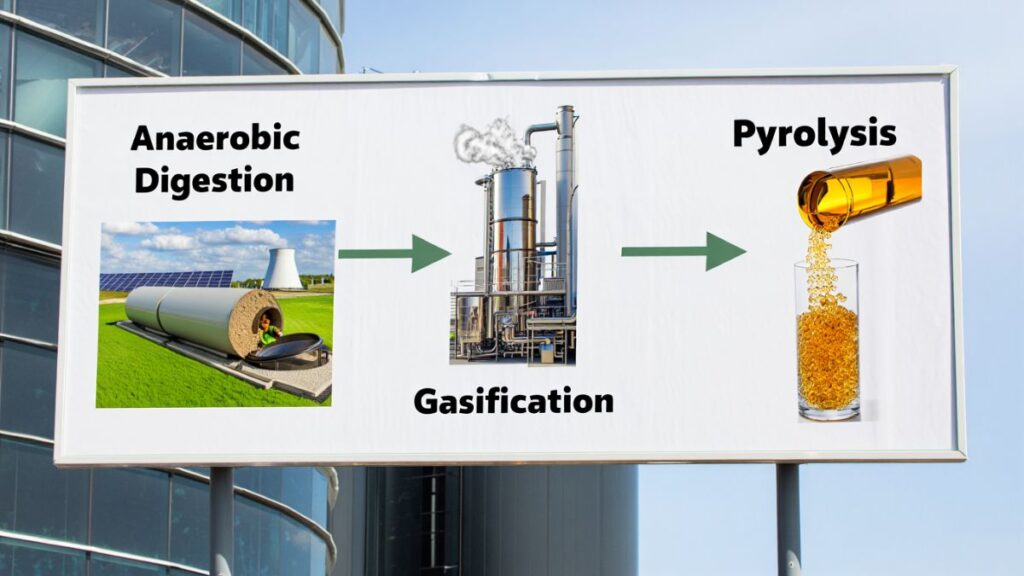
Combustion & Steam Turbines
Burning woody biomass produces heat that converts water into steam, spinning turbines for electricity. This common method illustrates the practical advantages and disadvantages of biomass energy. This method remains one of the most widely used pathways in biomass electricity generation, especially for consistent base-load power delivery.
Anaerobic Digestion & Biogas
In anaerobic digestion, food waste, animal manure, or industrial effluents produce methane-rich gas for heating or renewable natural gas. This demonstrates both the efficiency and environmental advantages and disadvantages of biomass energy.
Gasification & Pyrolysis
Gasification generates syngas, and pyrolysis yields bio-oil and char. These methods show the technical advantages and disadvantages of biomass energy, balancing fuel flexibility against higher complexity.
Biofuels & Renewable Diesel
Conversion into biofuels or renewable diesel highlights transportation benefits but requires investment and advanced infrastructure — reflecting the advantages and disadvantages of biomass energy.
Common Feedstocks and Types of Biomass
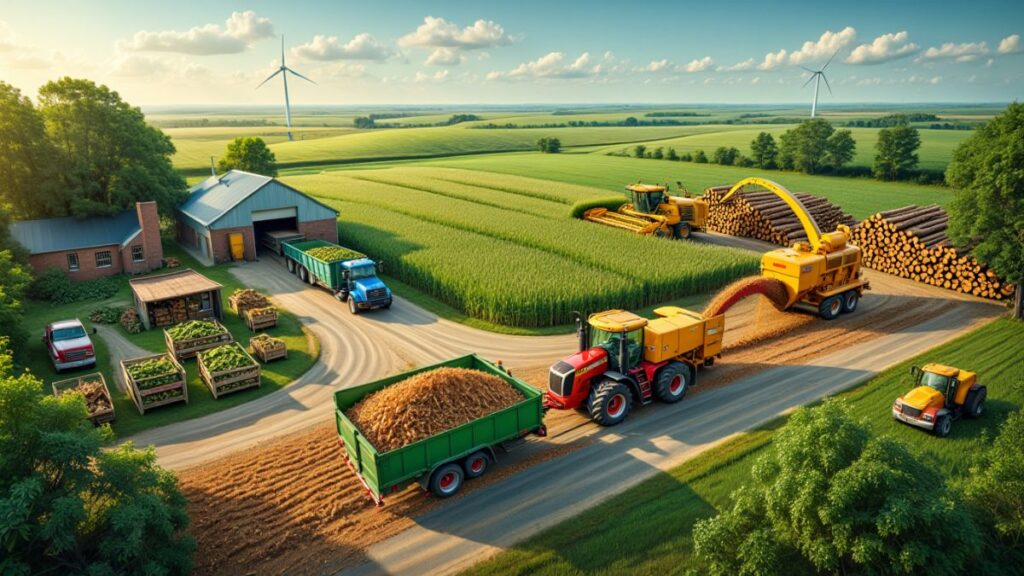
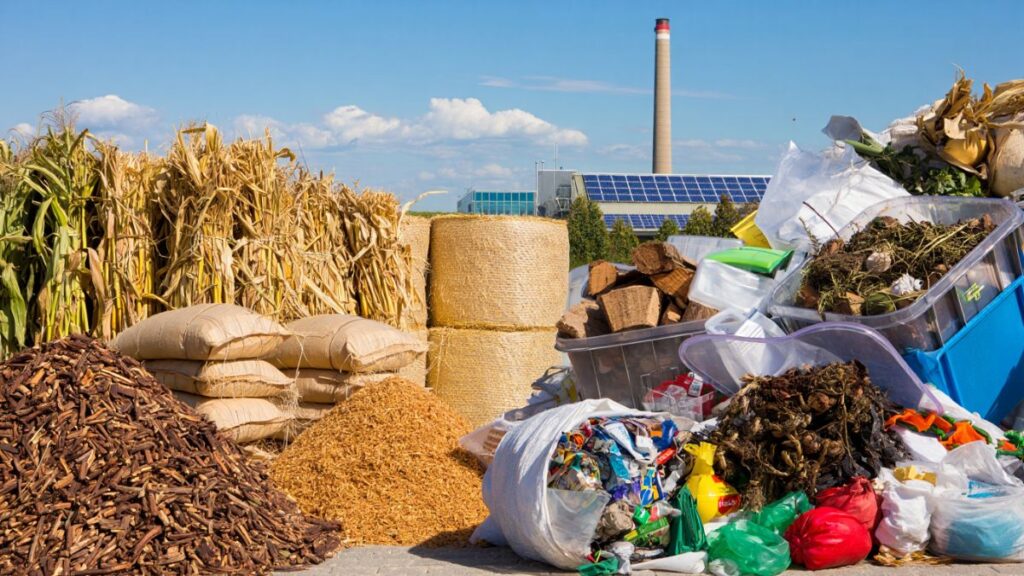
Understanding the main categories of agricultural residues, woody biomass, organic waste, and energy crops becomes clearer when exploring the types of biomass energy in the U.S.
Agricultural Residues
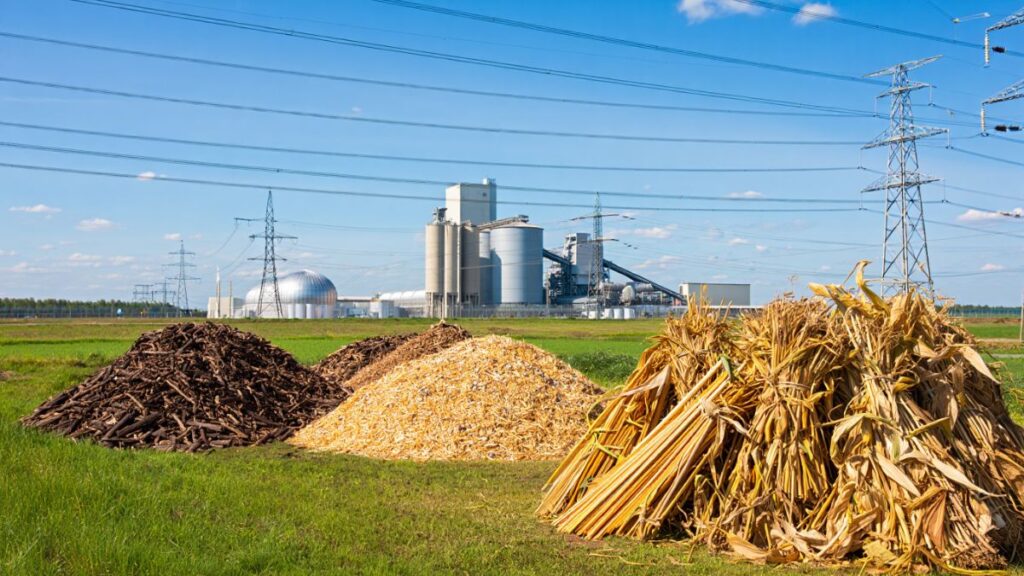
Straw, corn stalks, and bagasse are low-cost, abundant feedstocks, showing the advantages of biomass energy in waste management and energy production.
Woody Biomass & Forestry Residues
Sawdust, branches, and leftover timber provide renewable fuel but involve collection and transport challenges, a disadvantage of biomass energy.
Organic Waste & Municipal Solid Waste (MSW)
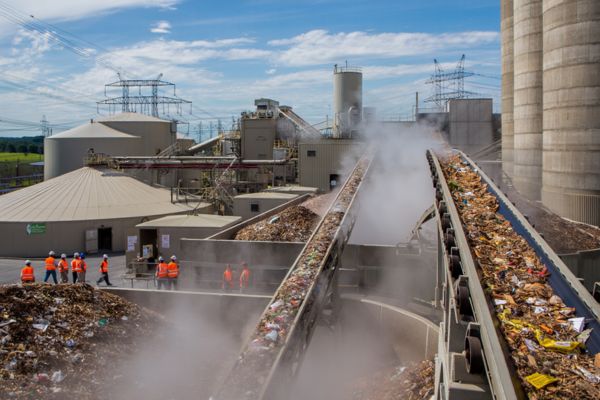
Food waste, manure, wastewater, and urban garbage serve as feedstock. Converting this waste to energy highlights both advantages and disadvantages of biomass energy (EIA, 2023).
Energy Crops & Specialized Biomass
Fast-growing grasses and woody plants maximize output, emphasizing the advantages of biomass energy, while land-use competition remains a disadvantage.
Advantages of Biomass Energy (Practical Benefits)
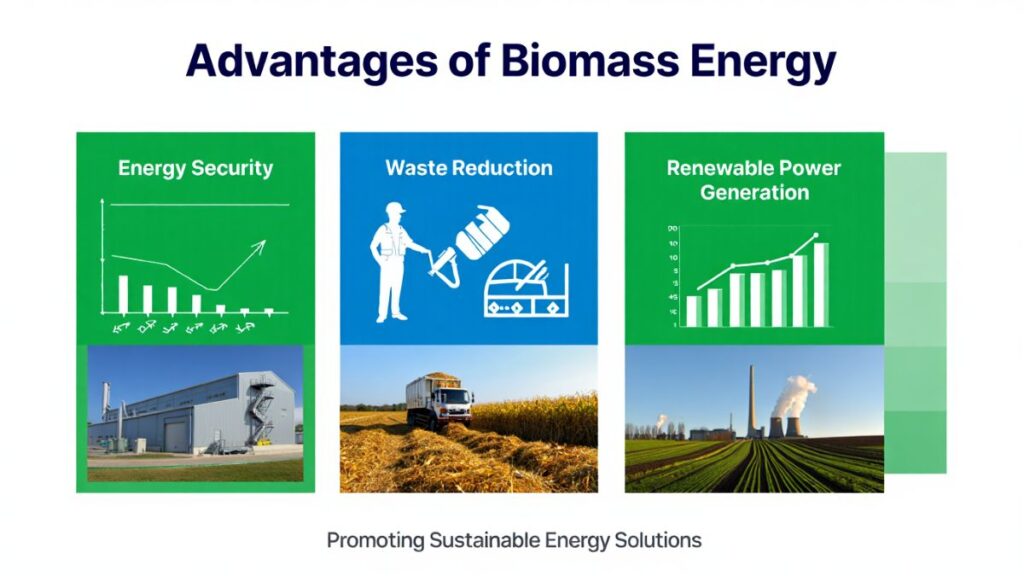
Energy security, local jobs, waste management, and carbon neutrality are key advantages of biomass energy. Base-load power, CHP efficiency, and reduced fossil fuel dependence are other benefits.
Converting municipal solid waste or agricultural residues to energy illustrates the practical advantages of biomass energy in sustainability and rural development (REN21, 2025). These real-world applications demonstrate why communities and industries continue to highlight the top benefits of biomass energy in 2026.
Disadvantages and Main Challenges (Clear)
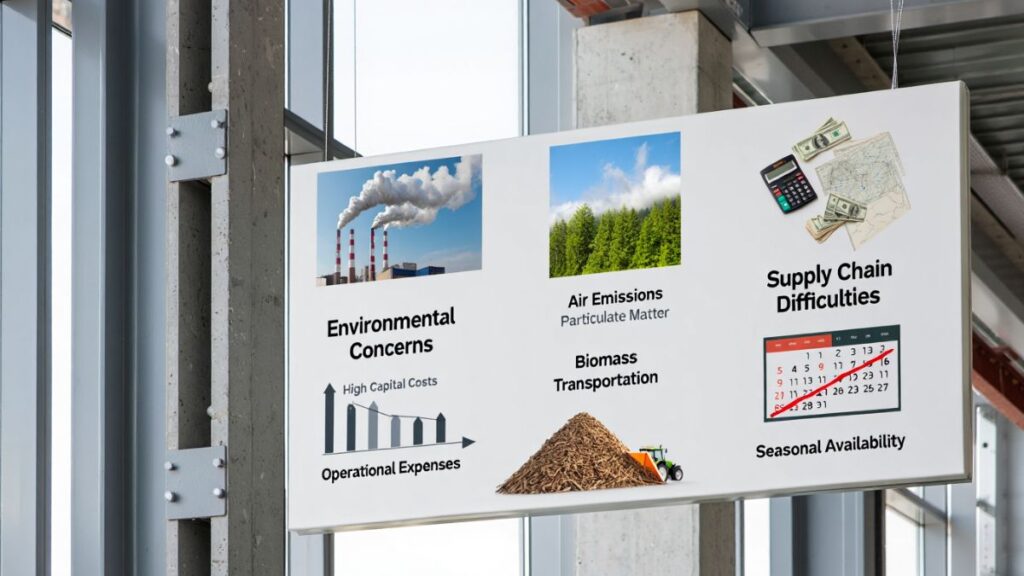
Feedstock logistics, high setup costs, emissions, and low energy density are the main disadvantages of biomass energy. Technical complexity and environmental concerns like deforestation or air pollution further demonstrate challenges in implementing the advantages and disadvantages of biomass energy solutions (Market Growth Reports, 2024).
Environmental & Sustainability Considerations (Deep Dive)
Life-cycle emissions, carbon payback periods, and sustainable sourcing are critical. Without proper certification/sustainability standards, the advantages and disadvantages of biomass energy can shift toward environmental harm. Circular economy applications of bioenergy maximize benefits.
Economics, Scale & Practical Deployment (Where It’s a Good Fit)
Small-scale plants serve communities, large-scale plants serve industry. Policy incentives like tax credits improve the economic advantages and disadvantages of biomass energy. Hybrid systems with wind or solar enhance efficiency and grid stability (Precedence Research, 2025).
Future Outlook & Technological Innovations
These advancements continue shaping the future of biomass energy production, especially as countries move toward circular and low-carbon energy systems. Advanced gasification, pyrolysis, biohydrogen, and BECCS reflect emerging advantages and disadvantages of biomass energy. Circular economy integration and waste-to-energy technologies strengthen the case for renewable power globally.
Economics & Market Outlook — Key Data at a Glance
| Metric | 2024 / 2025 | Forecast / Projection |
| Global bioenergy capacity | ~151 GW (IRENA) | — |
| Modern solid bioenergy share | 3.5% of total final energy, 8.3% of global heat (REN21) | — |
| Biomass power plants (global) | ~4,971 plants, ~83.8 GWel (Ecoprog) | ~5,980 plants, ~96.8 GWel by 2033 |
| Biomass power market revenue | USD ~149.68 B (Precedence Research) | USD ~237.49 B by 2033 (5.95% CAGR) |
| Regional growth trends | Significant in APAC, Europe, and North America (GlobeNewswire, 2025) | APAC and developed regions expected to lead |
Conclusion
The advantages and disadvantages of biomass energy show that biomass is a flexible, renewable power source that reduces waste and provides local jobs. Yet, it also brings logistical, environmental, and financial challenges. With sustainable sourcing, smart policies, and advanced technologies, biomass can play a major role in a resilient U.S. renewable energy future.
FAQs:
- What is biomass energy?
Biomass energy is power generated from organic matter like plants, agricultural residues, and waste. - Is biomass energy renewable?
Yes, biomass is considered renewable when sourced sustainably from energy crops and organic waste. - What are the main advantages of biomass energy?
It provides bioenergy, reduces waste-to-energy, supports rural development, and enhances energy security. - What are the disadvantages of biomass energy?
Challenges include greenhouse gas emissions, inefficient energy conversion, and land use concerns. - Can food waste and animal manure be used for biomass energy?
Yes, both food waste and animal manure can produce methane-rich gas through anaerobic digestion.

Welcome to Renewable Energy! I’m Adnan, Owner, Admin, and Author of this Website.