Quick Summary:
Build a DIY wind turbine for the home to generate clean, low-cost electricity and support off-grid power. This guide covers everything from rotor blades and wind generator selection to tower setup, energy output, costs, and safety tips for efficient backyard wind power.
Introduction
DIY wind turbines for home projects are becoming a practical option for homeowners who want clean, low-cost electricity and more energy control. A home-built wind turbine converts moving air into usable power using rotor blades, a wind generator, and a simple control system. This article explains how a DIY wind turbine works, the small wind turbine components required, ideal wind conditions, realistic energy output, costs, and safety considerations.
Readers will also learn how tower height affects performance, how wind energy supports off-grid power, and when backyard systems make financial sense. The guide provides clear, factual insights to help homeowners decide if building a wind turbine is a smart renewable energy choice.
For a deeper foundation, understanding how wind energy works for homes in the United States helps set realistic expectations.
DIY Wind Turbines for Home Use
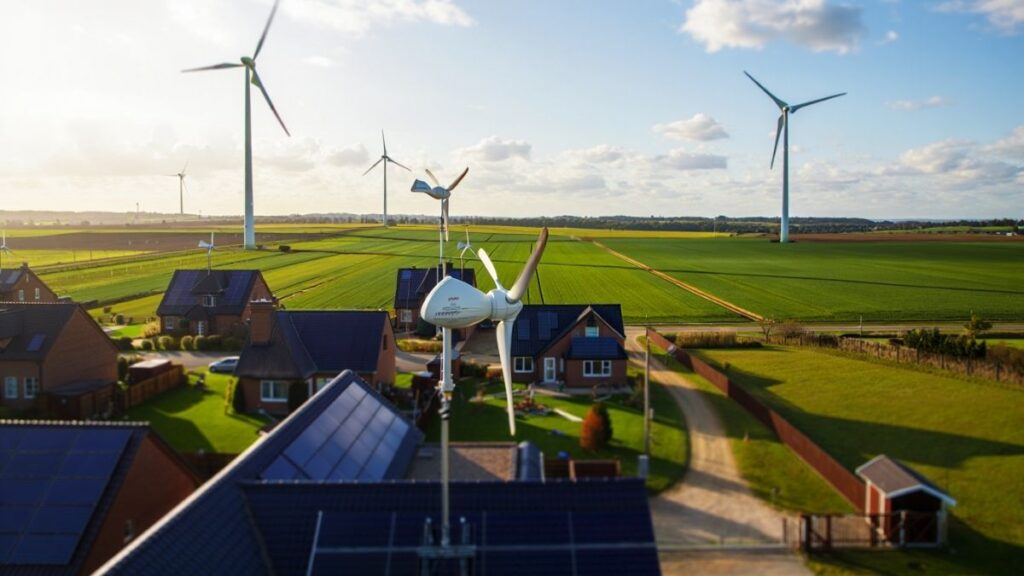
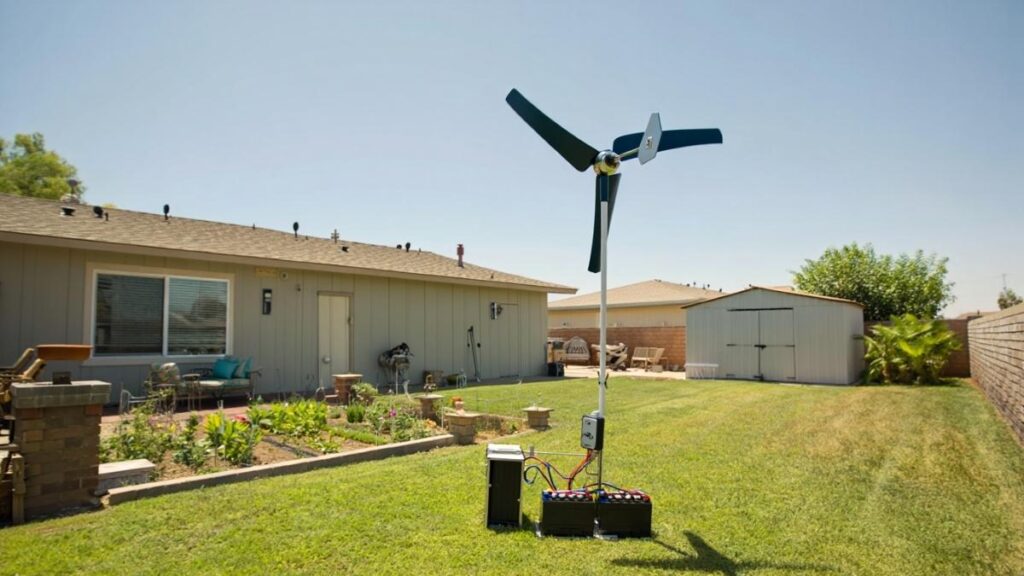
A diy wind turbine for the home is a small-scale energy system designed to convert moving air into usable electricity. Unlike large commercial turbines, these systems are compact and built for personal use, making them suitable for backyard wind power, rural homes, and off-grid properties.
Home wind turbines appeal to people who want control over their energy supply. Whether used as backup power or as part of a renewable setup, a small wind turbine allows homeowners to produce free electricity once the system is installed and maintained.
What Is a DIY Wind Turbine for the Home?
At its core, a home wind turbine is a wind generator mounted on a tower. Wind spins the rotor blades, turning a shaft connected to a generator that produces electricity. That power is then managed through a control system for safe use.
Why Homeowners in the U.S. Are Exploring DIY Wind Power
Many U.S. homeowners face rising utility rates and grid reliability issues. Wind power works day and night in suitable areas and pairs well with solar. For open landowners, farms, and cabins, wind offers consistent renewable energy throughout the year.
How a DIY Wind Turbine for the Home Works (Basic Concepts)
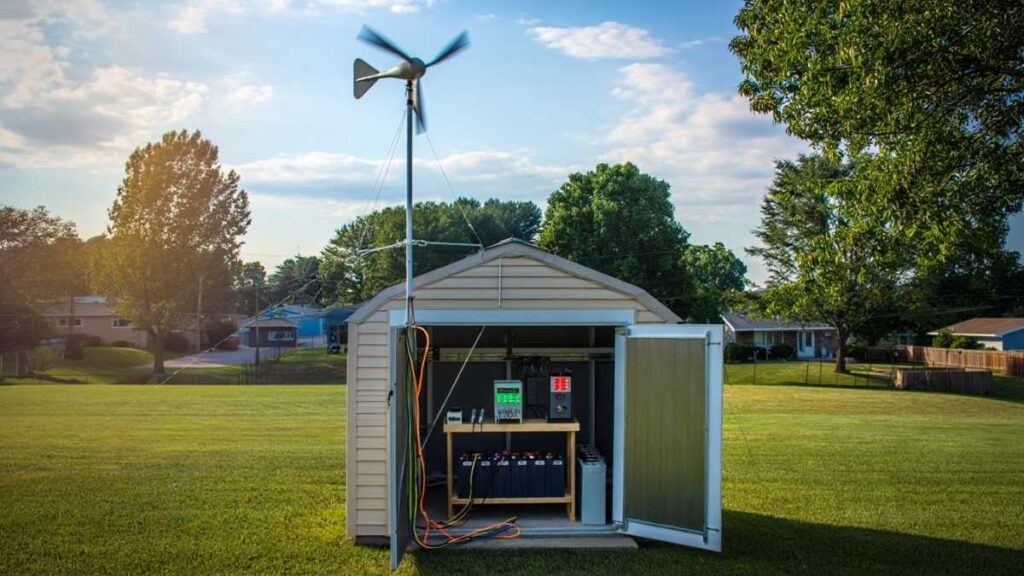
A diy wind turbine for the home follows a simple energy flow. Wind moves the blades, mechanical motion spins the generator, and electrical power flows to batteries or appliances. This simplicity is why wind systems remain popular for off-grid and hybrid use.
Understanding these basics makes it easier to design, build, and troubleshoot your system. It also helps explain why location and tower height matter more than blade appearance.
How Wind Turns into Electricity at Home
Wind creates lift across the blades, similar to airplane wings. This rotation drives a generator, often a permanent magnet DC motor or car alternator generator, converting motion into electrical energy. The actual power generated by a wind turbine depends on wind speed and blade size.
Off-Grid vs Grid-Tied Wind Systems
An off-grid wind turbine setup stores energy in a battery bank and works independently from utilities. Grid-tied systems feed power into the grid but require permits and certified equipment, which often limits DIY options.
Core Components Needed to Build a DIY Wind Turbine for Home
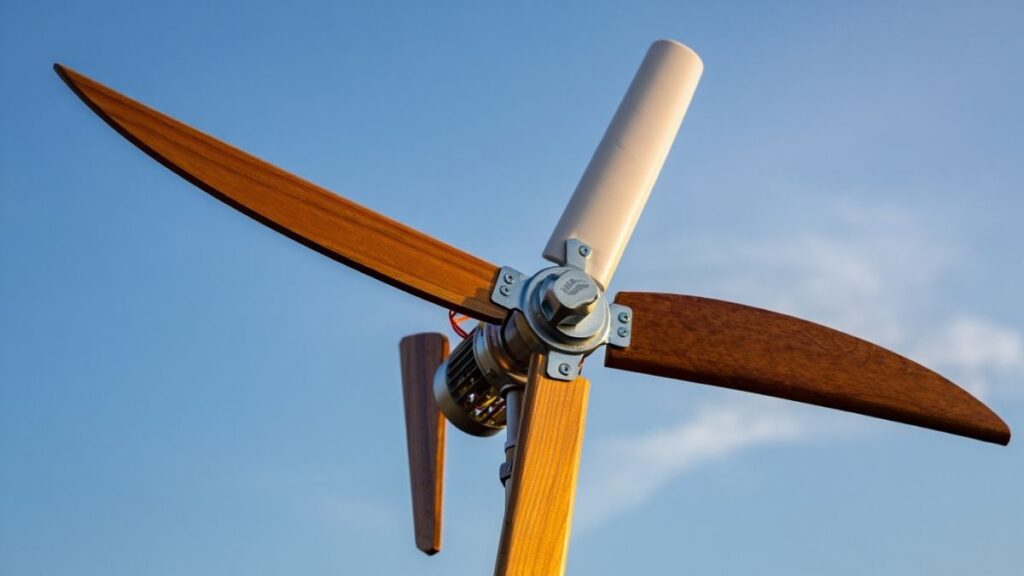
Every diy wind turbine for home use uses the same essential components, regardless of size or design. Quality parts improve safety, durability, and energy output, even when using low-cost materials.
Many DIY failures happen because of poor mounting or electrical protection, not because of blade design. Solid fundamentals matter most.
Rotor Blades and Hub Assembly
Blades capture the wind’s energy. Builders often use PVC pipe blades or wooden airfoil blades for affordability. A balanced hub assembly keeps all rotor blades evenly spaced, reducing vibration and wear.
Generator and Electrical Components
The generator converts motion into electricity. Common options include a surplus DC motor, a permanent magnet DC motor, or a converted alternator. Power flows through a charge controller, a voltage regulator, and sometimes a dump load for safety. These parts are also explained in detail in this guide on home wind energy system components.
Choosing the Right Location and Wind Conditions
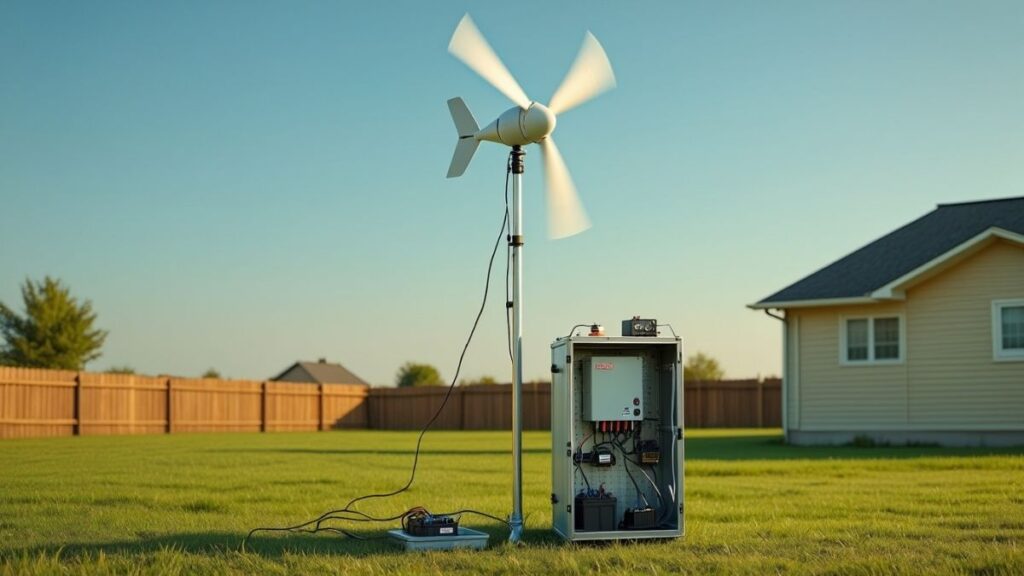
Location determines success more than turbine size. A well-built diy wind turbine for the home performs poorly if placed in weak or turbulent wind.
Wind speed increases with height, so clear airflow and tower elevation are critical for consistent energy production.
Minimum Wind Speed Requirements
Most small turbines need average annual wind speeds of at least 5–6 m/s (11–13 mph). Below this range, energy output drops sharply, even with large blades.
Measuring Wind Correctly
The most accurate method is using an anemometer at hub height. Wind maps also help estimate potential. The U.S. Department of Energy provides reliable data at
https://www.energy.gov/eere/wind/wind-resource-maps
Designing Your DIY Wind Turbine for the Home (Size, Power & Efficiency)
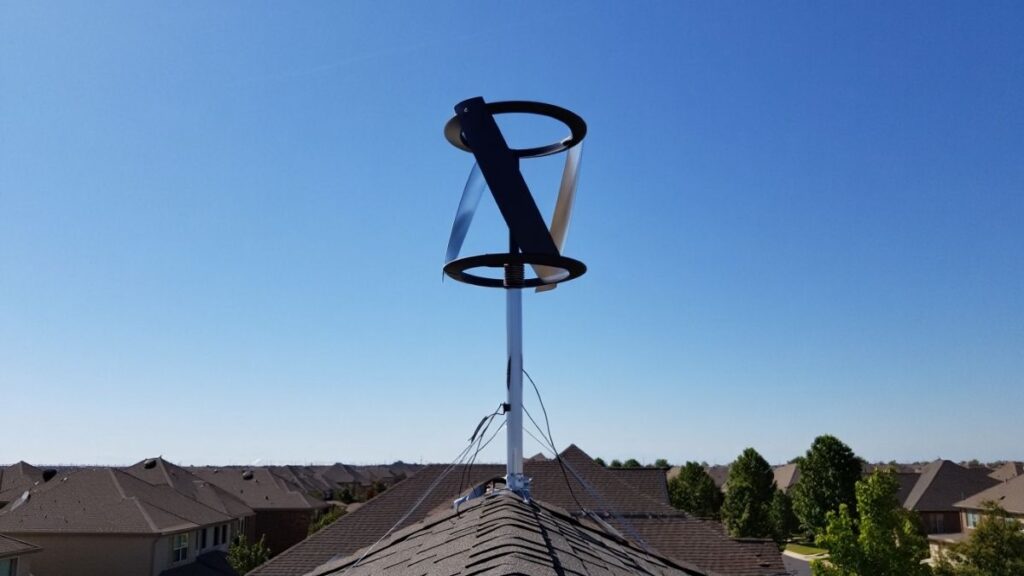
Design choices determine whether a diy wind turbine for the home delivers steady power or constant frustration. The goal is matching turbine size to wind conditions, not overbuilding.
Proper design balances blade diameter, generator capacity, and tower height for realistic output.
Choosing the Right Turbine Size
DIY systems commonly range from 400W to 2kW. A 1kW turbine suits many rural homes. Larger systems require stronger towers and foundations.
Horizontal vs Vertical Axis Turbines
Horizontal turbines are more efficient overall. A diy vertical wind turbine for home handles turbulence better but produces less power. A clear comparison of types of wind turbines for home use helps homeowners choose the right design.
Step-by-Step Overview: How to Build a DIY Wind Turbine for the Home
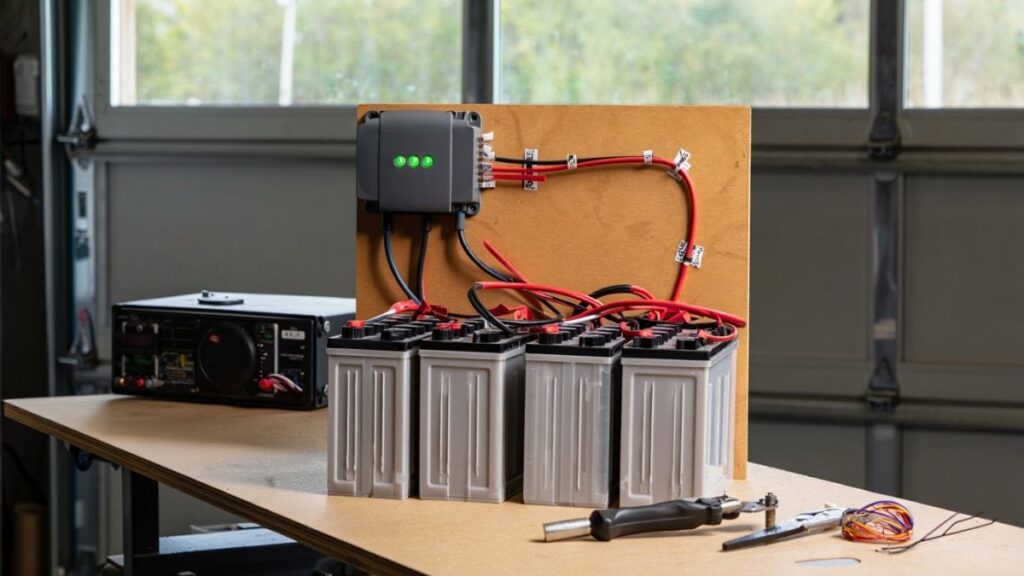
Building a diy wind turbine for the home is achievable with careful planning. Many builders complete a basic system as a two-day wind generator project using standard tools.
Success depends more on preparation and safety than on technical complexity.
Planning and Material Preparation
Start by defining your energy goal, whether for lighting, battery charging, or off-grid cabin power. Many beginners aim for a cheap DIY wind turbine using inexpensive materials and wind turbine designs to learn safely.
Assembly, Wiring, and Testing
After the blade and generator assembly, the turbine is raised on a pipe tower or tilt-up tower using guy wires. Wiring connects the generator to the control system management components, followed by low-wind testing.
Cost Breakdown and Budget Planning for a DIY Wind Turbine for the Home
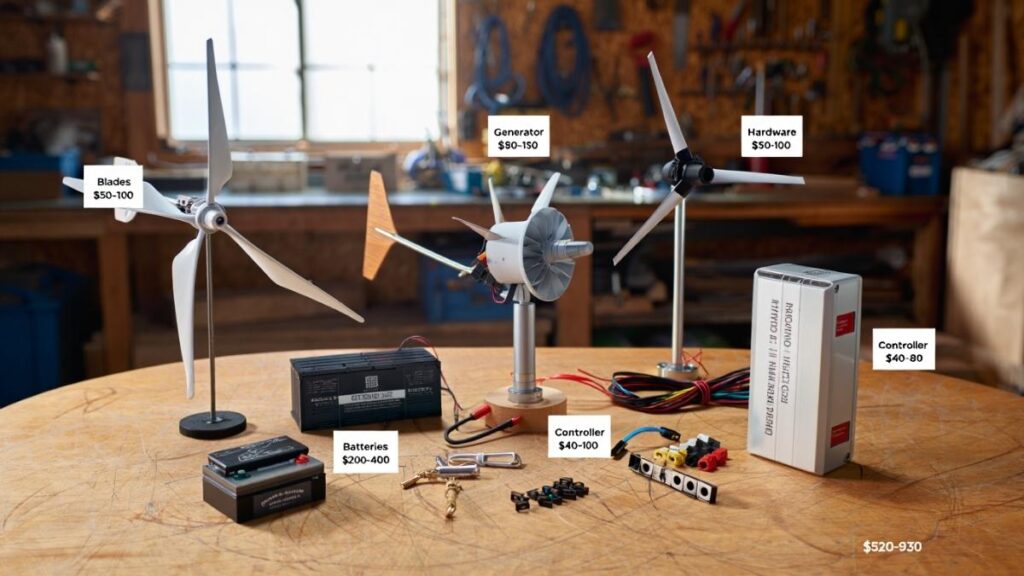
One major advantage of a diy wind turbine for the home is cost flexibility. Builders choose where to invest and where to save, depending on durability goals.
Even modest systems can deliver long-term value when built correctly.
Typical DIY Wind Turbine Costs in the U.S.
Some experimental builds cost under $200, while durable systems range from $800 to $2,000. Cost depends on generator type, tower height, and electrical components.
Sample Cost Table
| Component | Typical Cost (USD) |
| Blades | $10–$50 |
| Generator | $30–$300 |
| Tower & mounting | $100–$600 |
| Controller & batteries | $100–$500 |
A more detailed cost analysis is available in this guide, which outlines the costs, output, and installation of home wind systems.
Energy Output, Savings, and Payback Period Explained
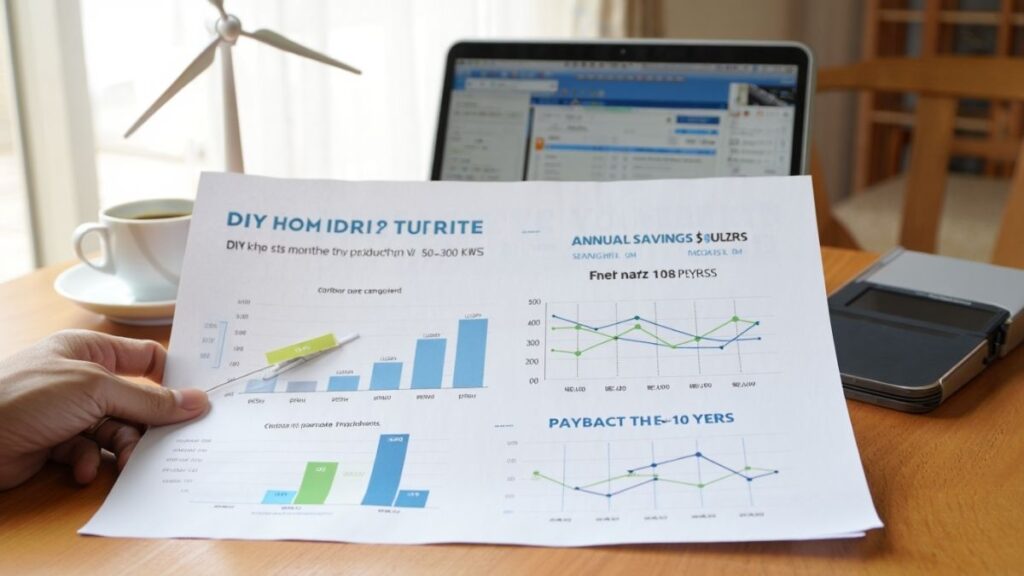
Energy output varies with wind speed and system efficiency. A diy wind turbine for the home should be evaluated over a year, not day by day.
Wind rarely replaces grid power completely, but it can significantly reduce bills.
Estimating Energy Production
A turbine with a 1-meter radius rotor at 6 m/s may produce 500–1,500 kWh annually. This supports lighting, electronics, or remote property electricity needs.
Payback and Savings
At $0.15 per kWh, 1,000 kWh saves $150 annually. Payback typically ranges from 5 to 15 years. Pairing wind with solar and wind hybrid systems for home improves year-round reliability.
Safety, Legal, and Maintenance Considerations
Safety must come first when you install your own wind turbine. Rotating blades and elevated towers require proper design and respect.
Ignoring codes or maintenance can turn a useful system into a liability.
Safety and Installation Best Practices
Always use secure foundations, grounding, and a weatherproof enclosure. Battery systems need proper ventilation and protection. This is why a wind turbine battery storage system is critical for safety and longevity.
Permits and Maintenance
Many U.S. counties limit tower height or noise. Maintenance includes checking bolts, blades, wiring, and tower mounting tension twice a year.
DIY Wind Turbine for the Home – Is It Worth It? Final Thoughts
A diy wind turbine for the home is worth building when wind resources are strong, and expectations are realistic. Open land, steady airflow, and patience make the biggest difference.
For travelers and emergencies, a mini wind turbine for camping or a boat wind power setup offers flexible energy. For homeowners, wind paired with solar creates long-term resilience within a satisfactory refined power wind turbine range that supports daily needs.
Final Takeaway
Wind power rewards planning, testing, and gradual improvement. Start small, measure your wind, and grow your system over time. With the right location and design, building your own turbine becomes a practical step toward energy independence.
FAQs
What is a DIY wind turbine for the home?
A DIY wind turbine for the home is a small wind-powered system built by homeowners to generate electricity using natural wind energy.
How much electricity can a DIY wind turbine for the home produce?
A typical DIY wind turbine for a home can generate between 500 and 2,500 kWh per year, depending on wind speed, turbine size, and tower height.
What wind speed is needed for a DIY wind turbine to work effectively?
Most DIY wind turbines require an average wind speed of at least 11–13 mph (5–6 m/s) to produce useful electricity.
How much does it cost to build a DIY wind turbine for the home?
Building a DIY wind turbine for the home usually costs between $200 and $2,000, depending on materials, generator type, and system size.
Is a DIY wind turbine better than solar panels?
A DIY wind turbine works better than solar panels in windy locations, while solar performs better in sunny areas, making hybrid systems ideal.

Welcome to Renewable Energy! I’m Adnan, Owner, Admin, and Author of this Website.