Quick Summary:
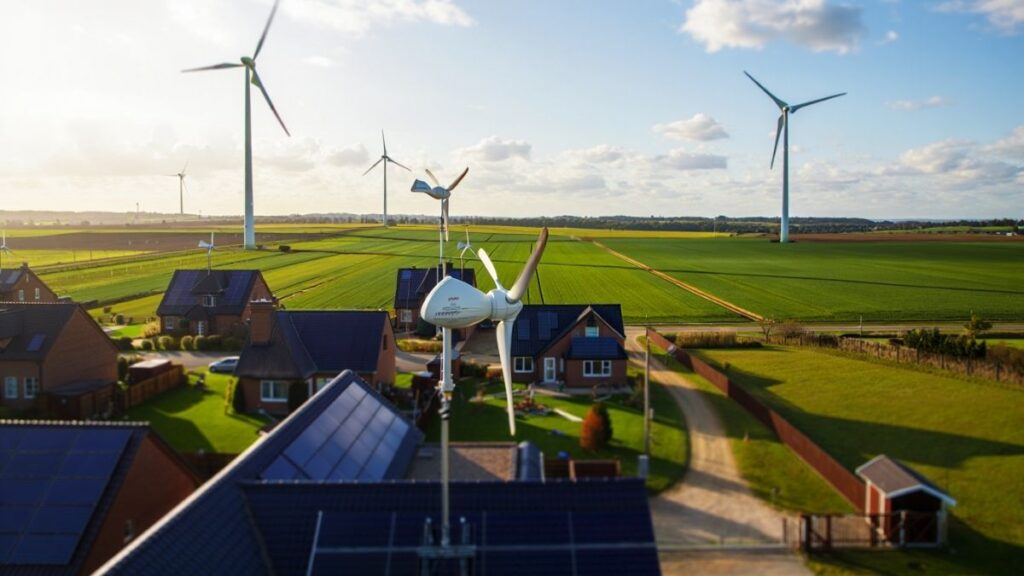
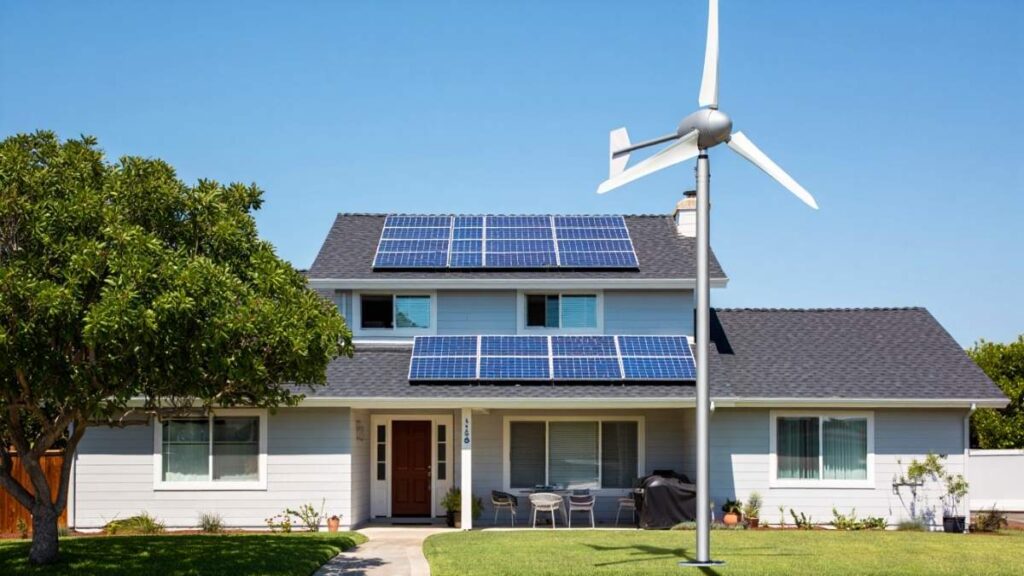
A wind energy system for the home helps U.S. homeowners cut electricity bills, generate clean power, and reduce grid dependence. This guide explains costs, power output, installation steps, incentives, and the best residential turbine options so you can choose the right system with confidence. Ideal for beginners comparing solar, hybrid, and wind solutions.
A Wind energy system for the home is becoming a practical, clean-energy choice for many U.S. homeowners. These systems use the natural wind resources on your property to generate electricity through a turbine, tower, and inverter setup. When designed correctly, they can reduce energy bills, support off-grid living, and function as a hybrid system with solar.
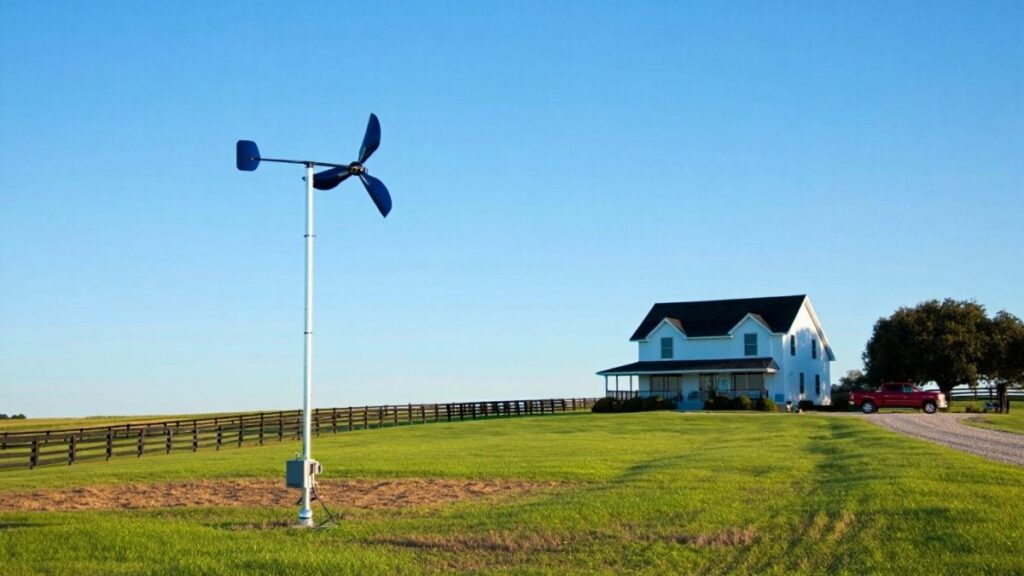
This guide explains everything you need to know about wind energy systems for homes—including costs, output, installation, sizing, permitting, and long-term performance. You’ll learn how home wind turbines for electricity work, which types are available, how much energy they produce, and whether they’re the right fit for your home. For basics, you can also review our detailed wind guide here:
➡️ How Wind Energy Works (U.S. Guide)
Is a wind energy system for the home right for you?
A wind energy system for the home works best in rural or open areas with steady winds above 10–12 mph. Homes on wide properties, farms, coastal regions, or elevated land typically get the most reliable output. If your area has high utility rates or limited access to the grid, these systems offer strong long-term benefits.
Wind systems are less suitable in dense neighborhoods, wooded properties, or areas with HOA restrictions. If tall buildings or obstacles surround your land, output drops significantly. A wind energy system for a home becomes more practical when your property has steady wind speeds above 10–12 mph. Homeowners should also check local zoning rules before planning a home wind turbine system. States like Texas, Oklahoma, Wyoming, and parts of the Midwest offer the best wind resources.
How wind energy systems for homes work
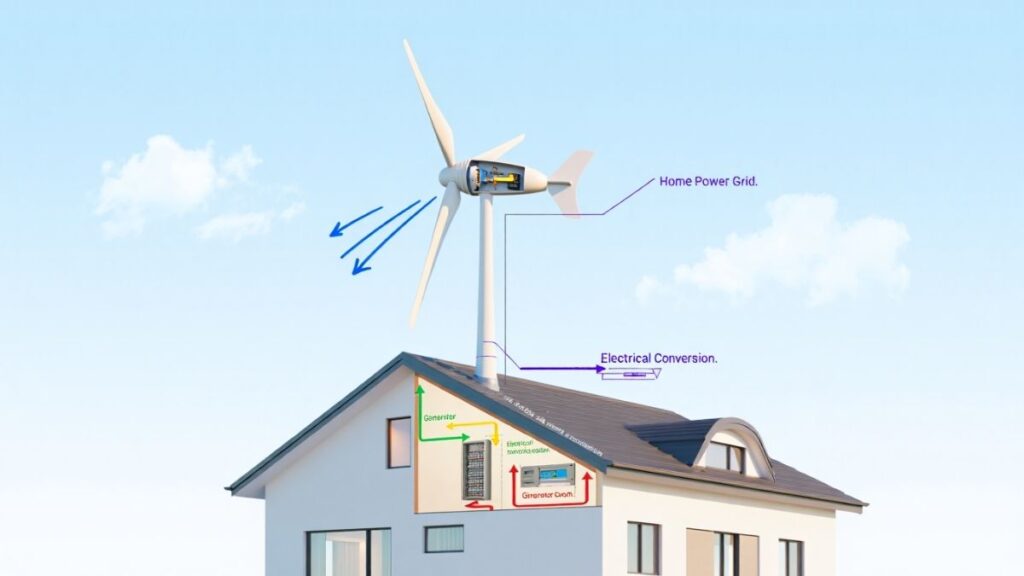
A residential home wind turbine uses spinning blades to convert wind into rotational energy. This turns a generator that produces electricity, which is fed through an inverter to power your household.
The process is simple, automatic, and can operate day and night as long as wind is available. Understanding how a wind energy system for a home converts moving air into electricity helps you compare different technologies.
Grid-tied systems allow you to sell excess electricity back to your utility through net metering wind energy, lowering your monthly bill. Off-grid setups use batteries to store power for later use. A complete system includes a turbine, tower, wiring, controller, inverter, and optional storage.
Types of home wind turbines & towers
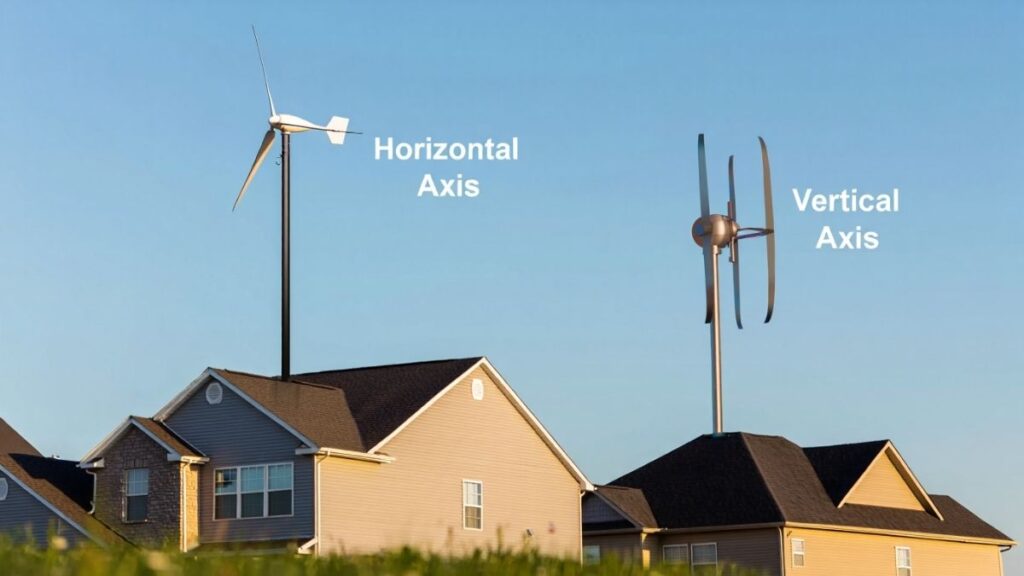
Horizontal-axis turbines (HAWT) are the most common choice for U.S. homeowners. They deliver the highest efficiency and work well on taller towers in open spaces. These systems provide strong wind turbine power for home use when mounted at heights between 60–120 feet.
Vertical-axis turbines (VAWT) are compact and can handle unpredictable wind from multiple directions. A wind turbine for home vertical design works better on rooftops or smaller properties, but produces less power overall.
Choosing the right wind energy system for your home depends on whether you prefer horizontal or vertical turbine designs. For a deeper breakdown, see our turbine comparison guide:
➡️ Types of Wind Turbines (Horizontal vs Vertical)
How to size a wind energy system for a home
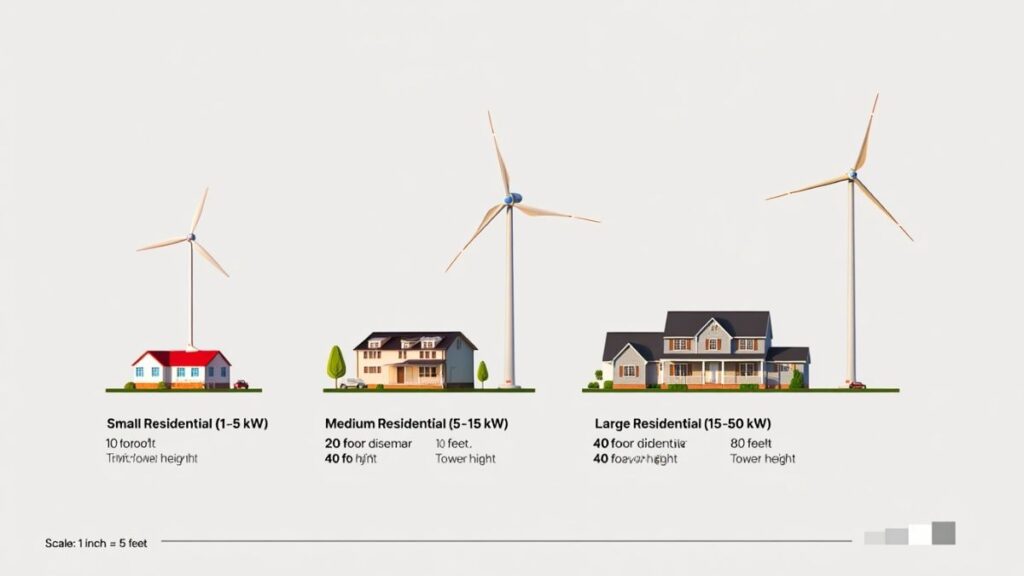
Correctly sizing a wind energy system for your home ensures you generate enough electricity without overspending. Most U.S. households use 8,000–11,000 kWh per year. To meet this demand entirely with wind, homeowners typically need a 5–15 kW turbine, depending on location and average wind speeds.
Understanding your utility bills is the first step in selecting the right turbine size. Output varies by state. A 10 kW turbine can produce 8,000 kWh per year in moderate wind regions but up to 18,000 kWh in high-wind states. Hybrid systems combining wind with solar offer more consistent output and extend battery backup capacity.
Costs, incentives, and financing
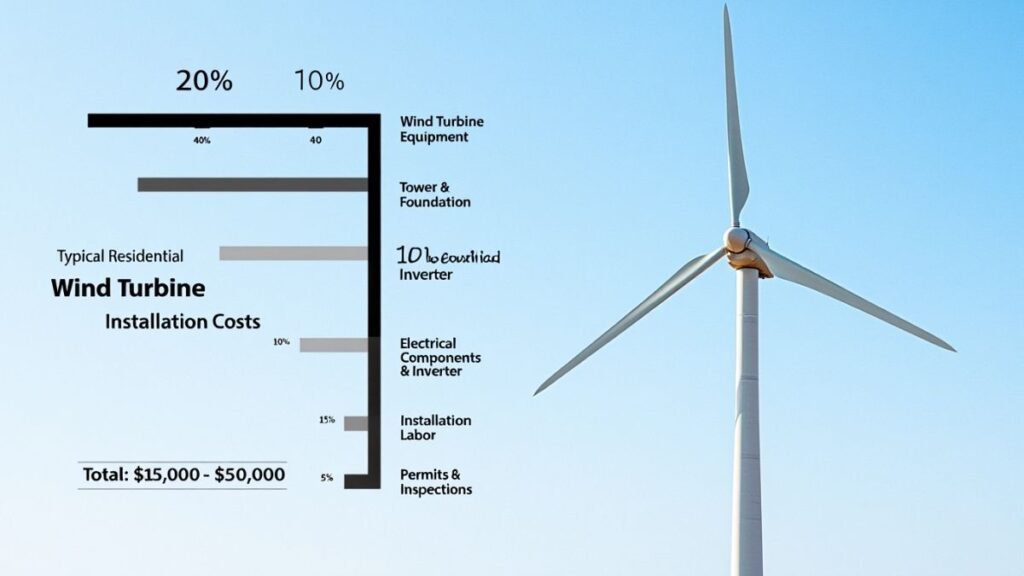
The cost to install home wind turbine equipment ranges from $12,000 to $50,000 for small systems and $60,000–$100,000 for full-power setups. Pricing depends on tower height, turbine size, installation difficulty, and local permits.
The cost of domestic wind turbine hardware is only part of the total expense. The total cost of a wind energy system for a home depends on turbine capacity, tower height, labor, and regional permitting fees.
Federal tax credits cover 30% of the installation under the Investment Tax Credit (ITC). Several states offer rebates, grants, or performance-based incentives for wind turbines for residential use. Financing options include green energy loans, home equity financing, and manufacturer programs.
Incentives vary by state, and the DSIRE database of U.S. wind energy incentives is the best place to confirm current rebates and tax credits. Some homeowners start with a cheap wind turbine for the home to supplement solar or battery systems.
Average Cost Breakdown (USA)
| Component | Cost Range |
| Turbine hardware | $4,000 – $25,000 |
| Tower (60–120 ft) | $5,000 – $40,000 |
| Inverter & controls | $2,000 – $8,000 |
| Installation labor | $3,000 – $20,000 |
| Permits & inspections | $200 – $1,500 |
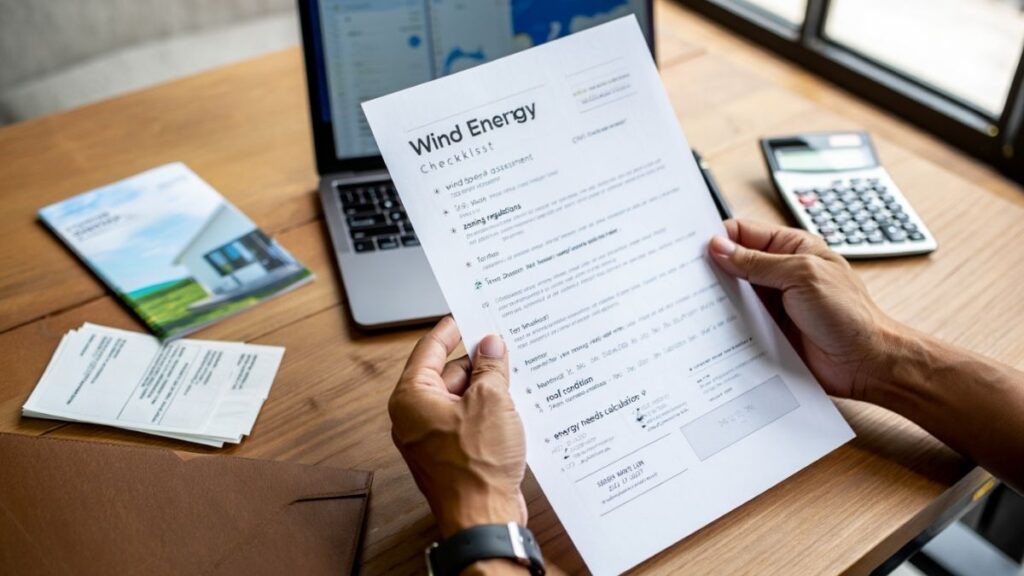
Site assessment & permitting: choose the best spot and stay legal
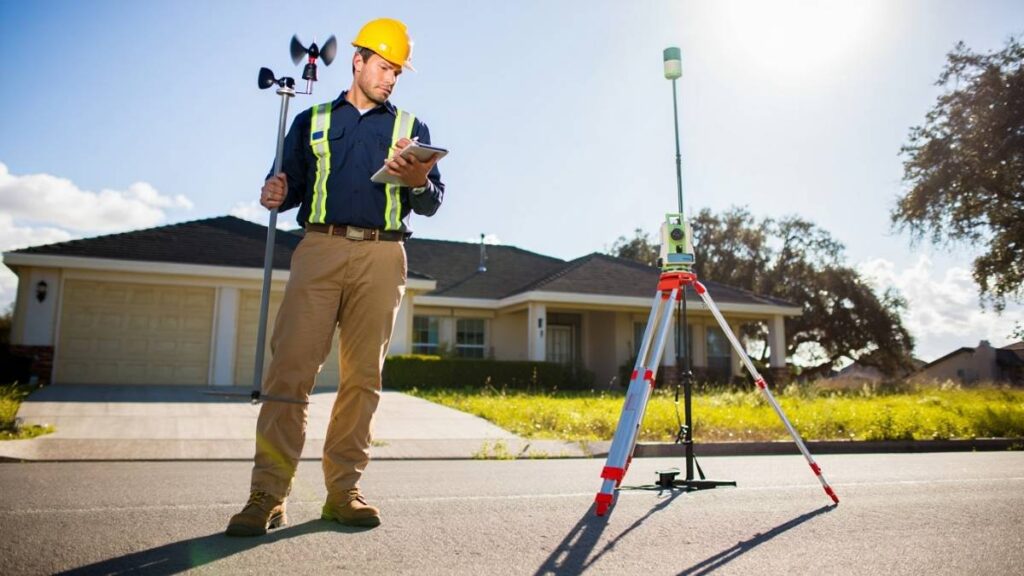
Choosing the right turbine location is critical. Turbines should sit well above nearby obstacles, ideally 30 feet higher than anything within 300 feet. Open fields, coastal areas, and elevated ridgelines offer the best performance. A wind energy generator for the home works best with smooth, low-turbulence airflow.
Check local zoning laws, permit requirements, and HOA rules before planning installation. Some counties restrict tower height or require setback distances. Environmental rules may also apply when installing near wildlife areas. For national wind resource maps, see the authoritative data from the U.S. Department of Energy.
Installation process step-by-step
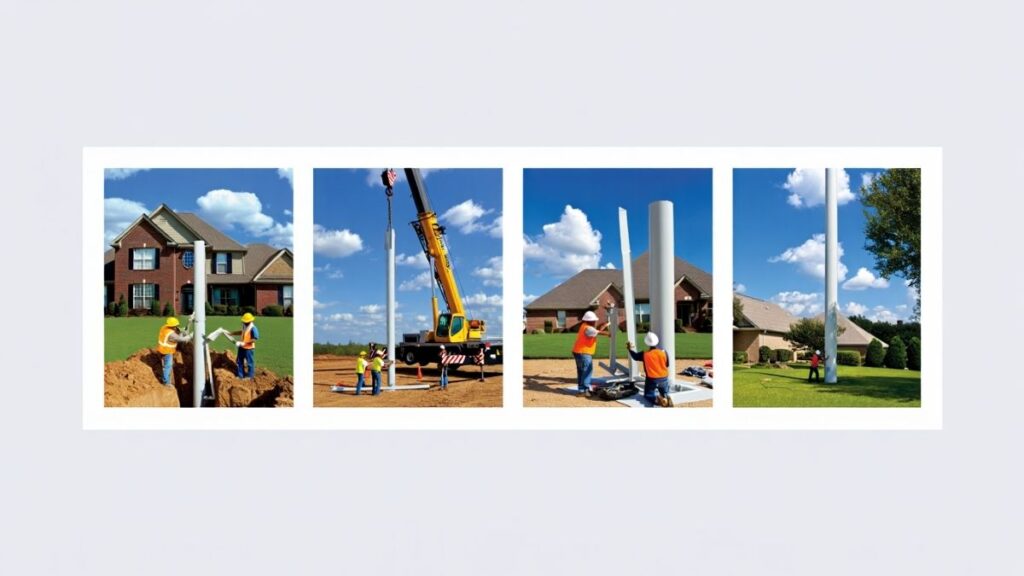
Installation begins with site preparation, trenching for electrical lines, and constructing the foundation. The tower and turbine are assembled on-site and lifted with a crane, then securely anchored and balanced. After mounting, technicians run wiring and configure the inverter and safety disconnects.
The final steps include inspection, grid interconnection, and performance testing. Homes installing home wind turbines for electricity must comply with all applicable electrical codes. You’ll receive a full operational walkthrough, including monitoring instructions for your new wind turbine for your home. Most installers begin by confirming that your wind energy system for your home meets all safety and interconnection requirements.
Operation, maintenance & troubleshooting
A typical turbine needs inspection twice a year. Maintenance includes blade checks, tightening bolts, lubricating bearings, and verifying electrical connections. Proper care extends the lifespan of wind turbines for residential use to 20–30 years. Many models include remote monitoring features.
Common issues include vibration, reduced output, or weather damage. Storm-resistant models help reduce risk in high-wind states. A home wind turbine installation paired with battery storage offers better stability, especially for off-grid homes. Good maintenance increases reliability and lowers long-term costs.
Pros, cons & comparing wind to other home renewables (solar, batteries, hybrids)
Wind systems produce clean energy day and night and work best where winds stay steady throughout the year. They reduce bills, support off-grid living, and operate even when solar panels cannot. Many homeowners use hybrid solar-wind setup designs for 24/7 power.
However, wind isn’t ideal in low-wind areas or suburbs with strict zoning rules. Solar offers more predictable output in many regions. Homes choosing between a small wind turbine vs solar panels should consider roof space, wind speeds, and utility rates to decide the best mix.
When comparing renewables, a wind energy system for a home can outperform solar in regions with stronger seasonal winds.
How to buy, hire, and finalize
Look for certified installers with experience in residential wind turbines and tower construction. Always compare 2–3 suppliers, review warranties, and verify turbine ratings. Ask for a wind resource assessment before committing to a system. A good installer should help with paperwork, permitting, and financial incentives.
Before signing, confirm tower height, swept area, annual energy estimate, cost breakdown, and maintenance plans. Many homeowners also request a residential wind power payback period estimate. Expect ROI between 7–20 years, depending on wind conditions and electricity costs.
Conclusion
A wind energy system for home can be a powerful long-term solution for clean, affordable electricity—especially for rural properties and high-wind regions. By choosing the right turbine size, checking your wind resources, and hiring a qualified installer, you can build a reliable system that lowers your energy bills for decades.
Whether you’re comparing wind vs solar, planning a hybrid system, or looking for off-grid independence, wind power remains one of the strongest clean energy options available to U.S. homeowners.
FAQs
Q: Can a wind energy system for a home fully power a house?
A: Yes, in areas with 12+ mph average wind. A 10–15 kW turbine can power most U.S. homes.
Q: Do home wind turbines save money?
A: Savings vary by state, energy use, and wind quality. Wind-rich regions see strong long-term savings.
Q: Are vertical wind turbines for the home worth it?
A: They work well in turbulent or rooftop settings but produce less power overall.
Q: How noisy are home wind turbines?
A: Modern systems average 40–55 dB. Many quiet wind turbines for suburbs are now available.
Q: What about battery storage?
A: A wind turbine battery storage home setup increases reliability and supports off-grid living.

Welcome to Renewable Energy! I’m Adnan, Owner, Admin, and Author of this Website.