Quick Summary: Discover the different types of wind turbines, from horizontal and vertical designs to the best home options in 2026. Learn how each type works, their efficiency, costs, and which system is ideal for your home or property
Introduction
Wind energy is growing fast across the United States, and choosing the right system starts with understanding the types of wind turbines available today. Each design works differently, performs better in certain locations, and fits unique home or commercial needs. Now we explain the main turbine categories, how they work, and which options offer the best performance for 2026.
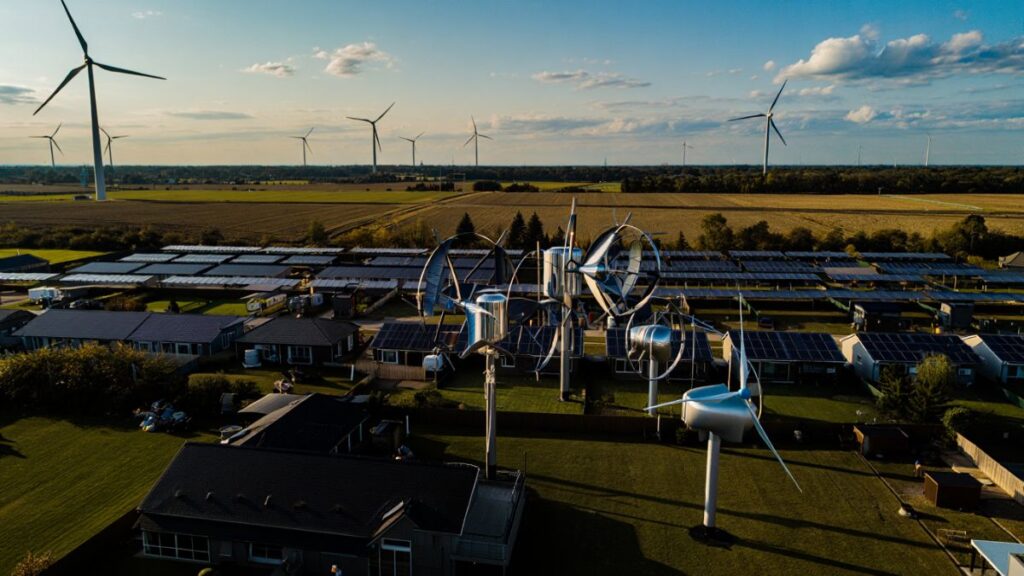
you will learn how horizontal-axis wind turbine systems compare to vertical-axis wind turbine designs, which models suit rooftops, and how small residential wind turbines stack up in cost and output. We also provide updated comparisons, future trends, and a clear breakdown of onshore, offshore, and home options. For beginners, this is a complete overview of wind turbine technology in practical, easy language.
Introduction: Why Understanding the Types of Wind Turbines Matters
Understanding the different types of wind turbines helps Americans choose the right system for their climate, home, or commercial site. Wind conditions vary widely between coastal areas, open plains, and suburban neighborhoods, making it essential to match turbine design with local wind patterns. A good match improves energy output and long-term savings.
As renewable energy expands, more homeowners are exploring small wind turbines for homes and rooftop installations. Choosing the correct orientation, blade style, and tower height ensures the system performs safely and efficiently. This guide offers a clear, beginner-friendly breakdown of every major turbine type, including options for homes in 2026.
What Are the Main Types of Wind Turbines? (Beginner-Friendly Overview)
Wind turbines generally fall into two main groups: horizontal-axis and vertical-axis. The difference comes from rotor shaft orientation, which affects how the turbine captures wind. Horizontal models face the wind directly, while vertical models accept wind from any direction, making them useful in turbulent areas like cities.
Homeowners and developers often compare HAWT vs VAWT systems to find the best fit. Horizontal models dominate utility-scale wind farms, while vertical options are increasingly popular for urban homes and rooftop applications. A quick comparison helps beginners understand performance differences.
Horizontal vs Vertical Orientation Explained Simply
Horizontal turbines look like airplane propellers and require stronger winds. Vertical turbines resemble spinning cylinders or curved blades and work better in messy, unpredictable wind.
Key Components Shared Across All Wind Turbines
All turbines include blades, a rotor, a generator, and a tower. Some systems use lift-based turbines, while others rely on drag or mixed designs.
Where the Main Types Are Used in the USA
Horizontal turbines dominate onshore wind farms across Texas, Iowa, and Oklahoma. Vertical systems appear more often in residential backyards and urban rooftops.
Quick Comparison Table: HAWTs vs VAWTs vs Home Systems
| Feature | HAWT | VAWT | Home Turbine |
| Works in turbulent wind | No | Yes | Yes |
| Efficiency | High | Medium | Low–Medium |
| Best location | Rural | Urban | Residential |
| Maintenance | Higher | Low | Low–Medium |
Horizontal-Axis Wind Turbines (HAWTs): Features, Pros & Use Cases

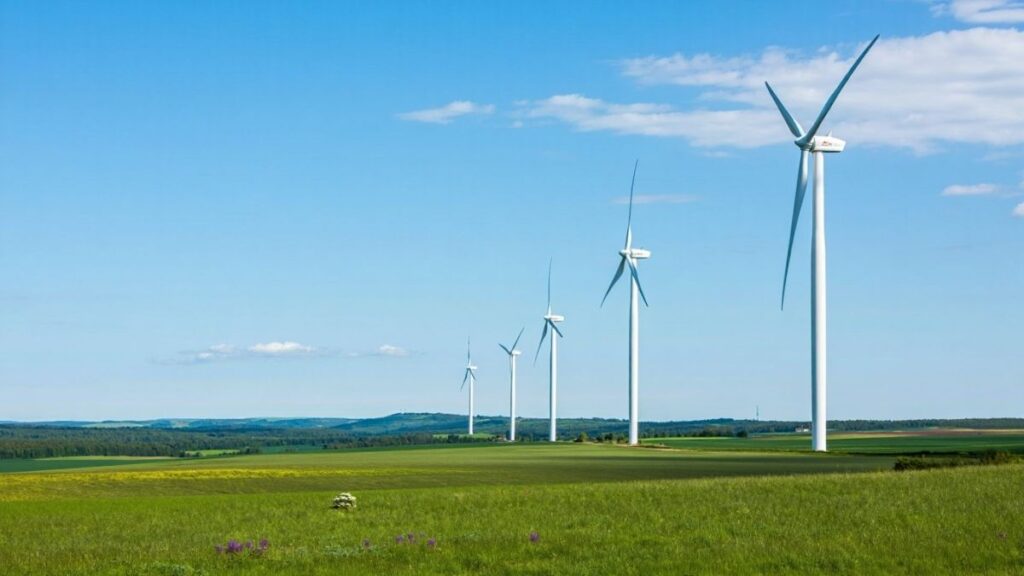
A horizontal axis wind turbine features blades that rotate around a horizontal shaft. These machines face the wind using yaw systems and are the most widely installed turbines worldwide. Their strong performance and proven technology make them ideal for large-scale wind farms.
HAWTs use wind turbine blades designed to capture lift efficiently, similar to airplane wings. Their tall towers reach stronger, cleaner winds, allowing higher energy output. They power millions of American homes through utility-scale projects and continue to be the standard for national wind expansion.
Why HAWTs Are the Most Common Worldwide
They deliver strong efficiency, predictable output, and reliable technology backed by decades of research.
Pros: High Efficiency, Strong Output, Mature Technology
Their design supports large wind turbine capacity options, reaching multi-megawatt levels offshore.
Cons: Height, Noise, and Space Requirements
HAWTs need open land and steady winds, making them less suited for dense residential areas.
Where HAWTs Fit Best in U.S. Projects
They dominate regions like the Midwest where wide plains offer stable, year-round wind.
Vertical-Axis Wind Turbines (VAWTs): Features, Pros & Use Cases
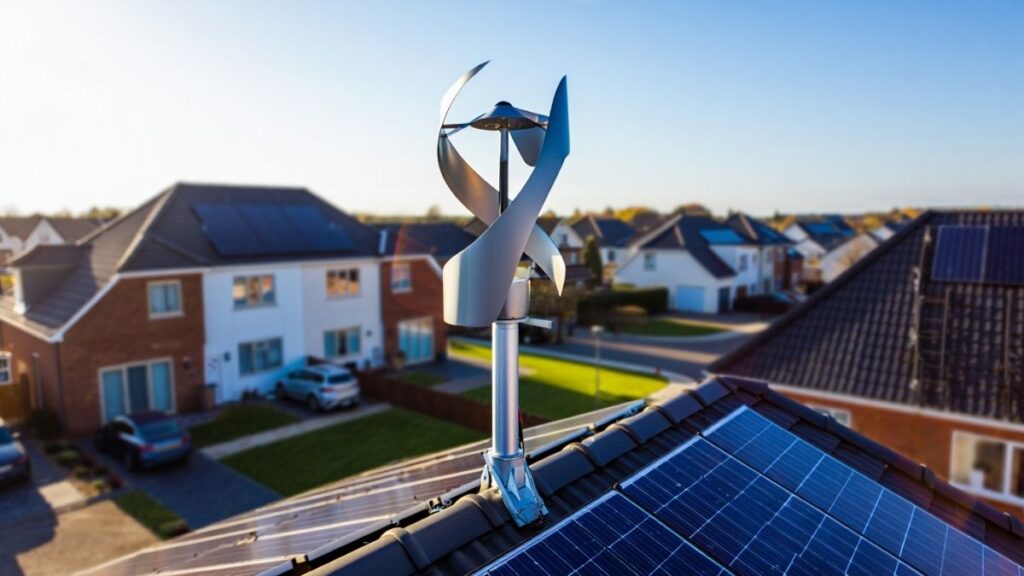
A vertical axis wind turbine spins around a vertical shaft and collects wind from all directions. These systems shine in low-wind or turbulent environments, such as rooftops or small backyards where airflow constantly shifts.
VAWTs come in several forms, including Savonius rotor models that use drag-based motion and Darrieus turbine designs that rely on lift. The Giromill VAWT variant also appears in newer small-scale designs. These turbines deliver quieter, safer operation for homes.
Types of VAWTs: Darrieus vs Savonius
Darrieus models offer better efficiency, while Savonius versions start easily in low wind.
Pros: Better for Turbulent, Urban, or Low-Wind Areas
Their compact form works well for rooftops and close-quarter neighborhoods.
Cons: Lower Efficiency Compared to HAWTs
VAWTs capture less wind energy overall but provide smoother operation.
Ideal Applications for VAWTs
Great for homeowners looking for a vertical-axis home wind turbine or compact hybrid setup.
Onshore vs. Offshore Wind Turbines (Key Differences Explained)
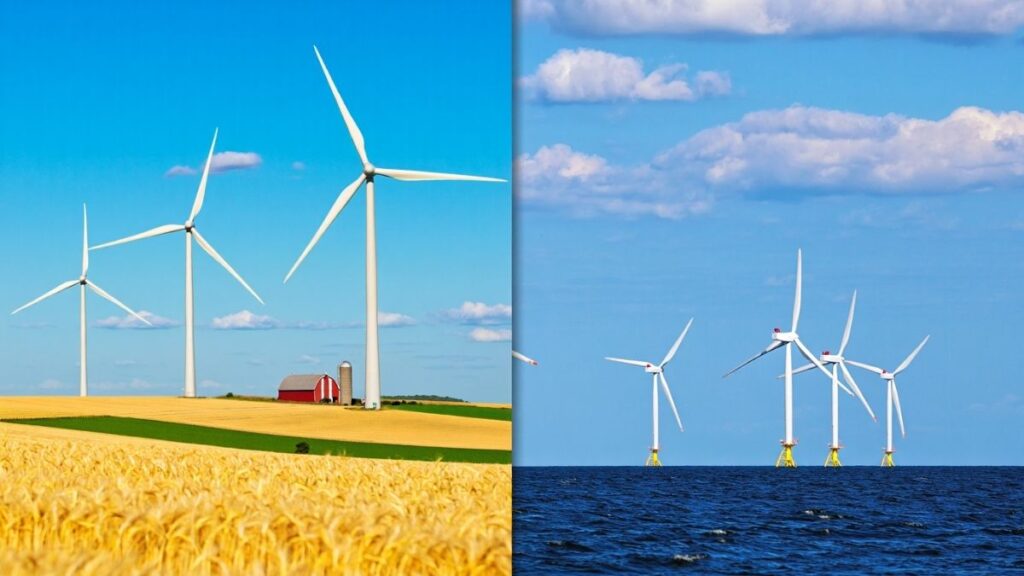
Onshore turbines sit on land and cost less to install, making them the most common type across the United States. They power many rural communities and contribute heavily to state-level renewable goals. According to the U.S. Department of Energy, onshore wind remains the country’s largest renewable power source.
Offshore wind turbines operate in deeper waters where winds are stronger and steadier. These systems grow larger, with offshore wind turbine heights exceeding 850 feet in some 2025–26 projects. They cost more but deliver higher energy output per turbine.
Onshore Wind Turbines: Cost, Access & Land Requirements
Easier access and lower installation costs make them ideal for inland states.
Offshore Wind Turbines: Higher Winds, Bigger Output
Offshore wind produces more consistent electricity, supporting large coastal cities.
Types of Wind Turbines for Homes (Best Small Wind Turbines in 2026)
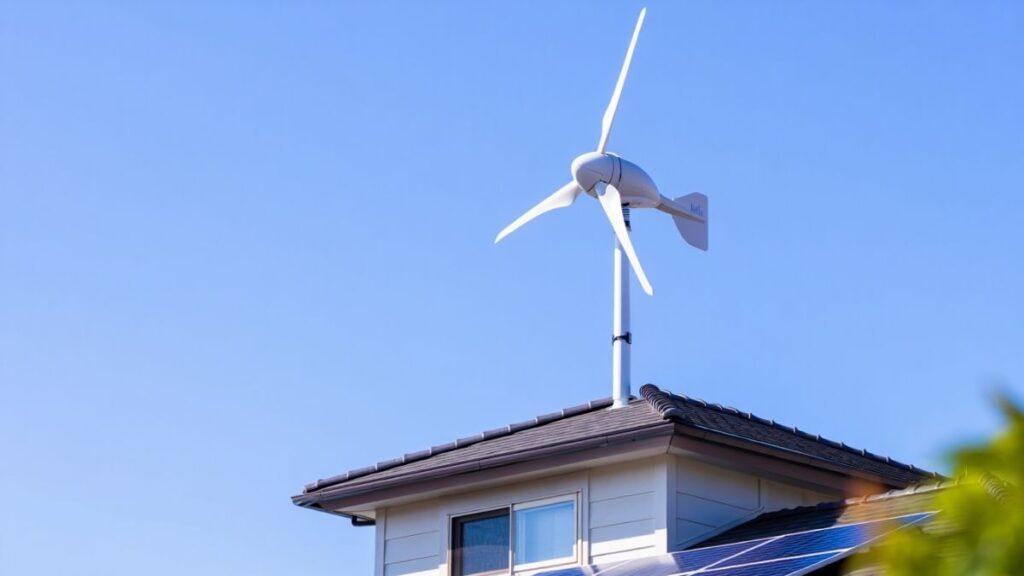
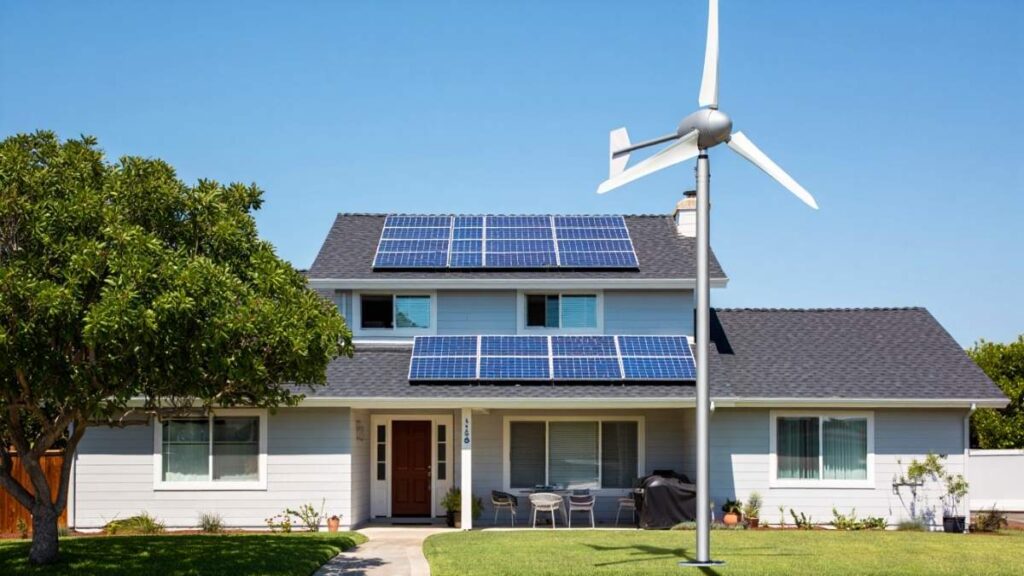
More homeowners are exploring small types of wind turbines for homes as electricity prices rise. Modern designs include compact horizontal models, rooftop VAWTs, and hybrid vertical types of wind turbines with solar panel systems. These setups work best in 10–12 mph average wind speeds.
For homes with limited yard space, a rooftop wind turbine for home can provide additional renewable power. Some manufacturers offer the best roof-mounted wind turbine options designed specifically for residential settings. These systems complement solar panels and reduce grid demand.
Small Horizontal Wind Turbines for Homes
Ideal for rural properties with open land and steady wind.
Vertical Axis Home Wind Turbine Options
Great for rooftops, suburban homes, or turbulent wind areas.
Mini and Personal Wind Turbine Systems
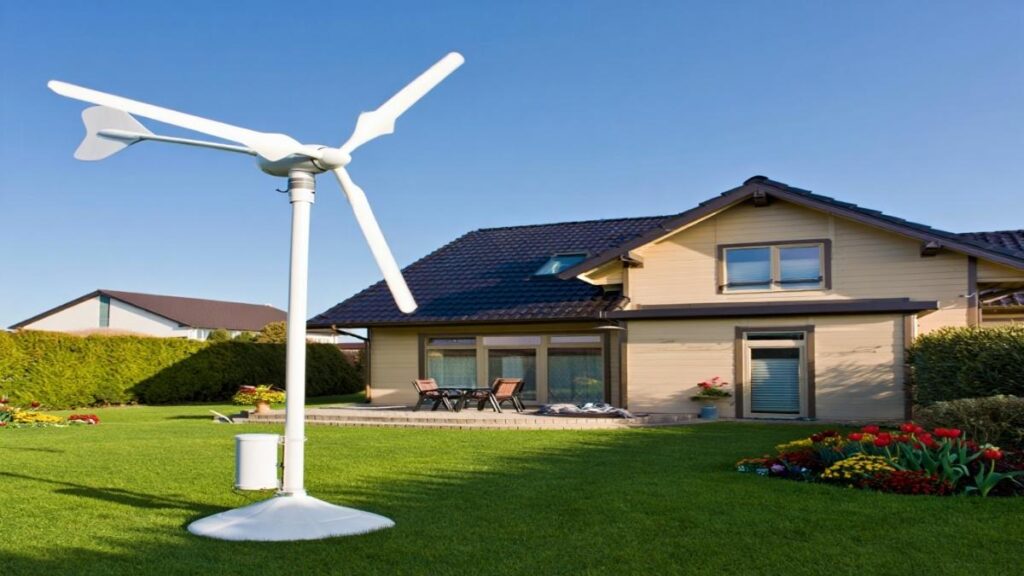
A personal wind turbine for home works well for cabins or off-grid sheds.
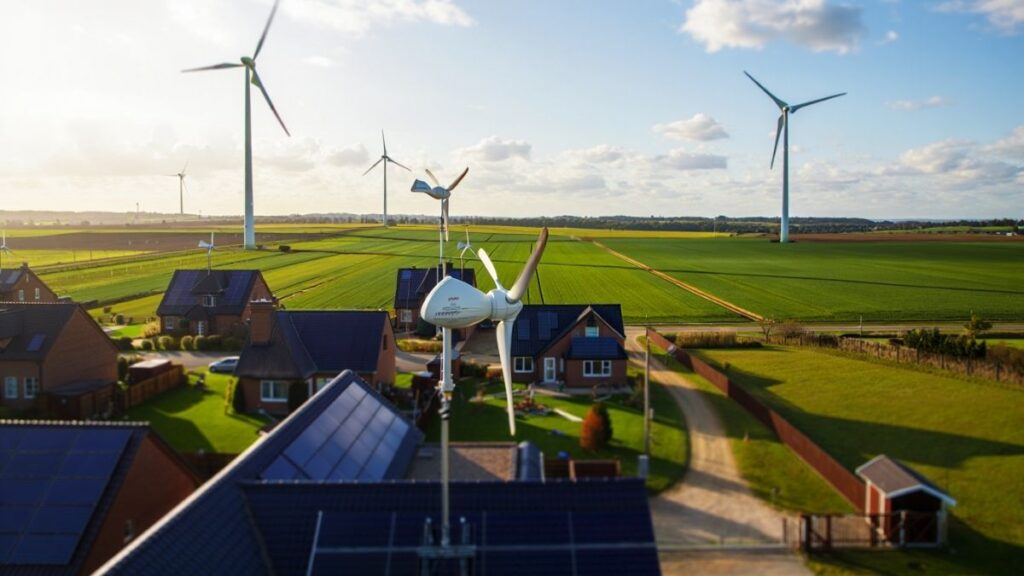
Hybrid Wind + Solar Systems
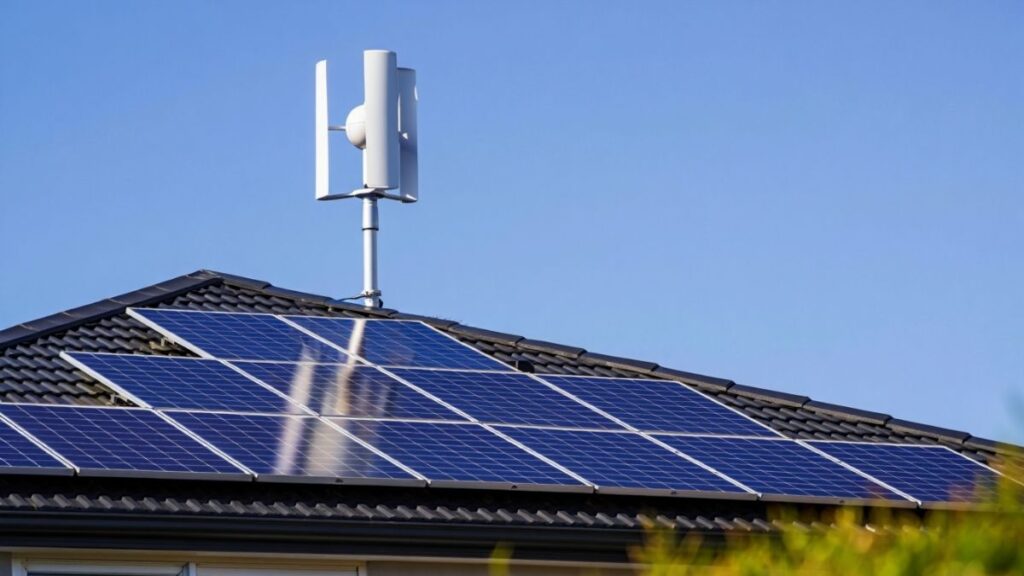
Hybrid designs deliver more stable, year-round power.
How to Choose the Right Types of Wind Turbines (Step-by-Step Guide)
Choosing the right system starts with measuring local wind speeds. The National Renewable Energy Laboratory recommends average speeds above 9 mph to justify home installations. Tools like residential wind maps help determine if your area is suitable.
Homeowners should compare turbine types, design features, and tower height options. Some neighborhoods require permits or have restrictions on residential rooftop wind turbine setups, so checking local zoning rules is essential. Hybrid systems may offer better performance in mixed-wind regions.
Step-by-Step Breakdown
- Measure average wind speeds
- Select horizontal or vertical orientation
- Decide on roof or ground installation
- Review zoning & HOA rules
- Estimate cost, payback, and maintenance needs
Efficiency, Power Output & Cost Comparison of Different Turbine Types
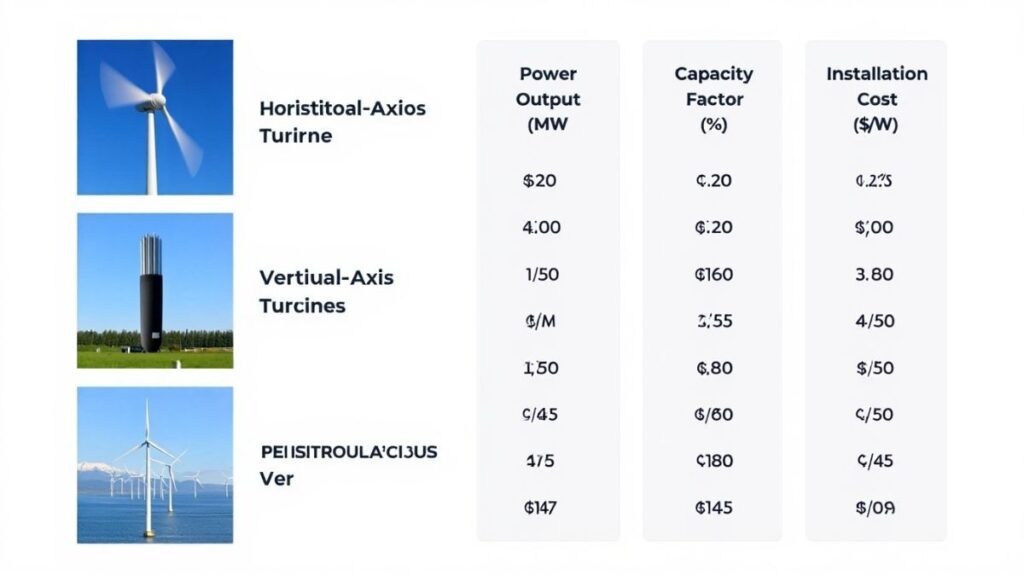
Modern turbines continue to improve, and recent U.S. wind energy capacity data shows stronger performance across both onshore and offshore installations.
Horizontal turbines remain the most efficient design, especially in open land areas. They offer higher wind turbine capacity levels and long-term reliability. Vertical turbines offer stable performance in turbulent wind conditions but generate less power.
Home turbines vary widely in size and cost. A typical 1 kW unit ranges from $2,000 to $8,000, depending on the tower height and design. Rooftop options cost less but offer lower output, making them ideal for supplemental energy rather than full home power.
Cost Comparison Table
| Turbine Type | Avg Cost | Output Range | Best For |
| Small HAWT | $3,000–$12,000 | 1–10 kW | Rural homes |
| Small VAWT | $1,000–$5,000 | 300–2,000 W | Urban homes |
| Rooftop VAWT | $800–$3,500 | 100–800 W | Apartments & townhouses |
Future Trends in Wind Turbine Design (What to Expect in 2026 & Beyond)
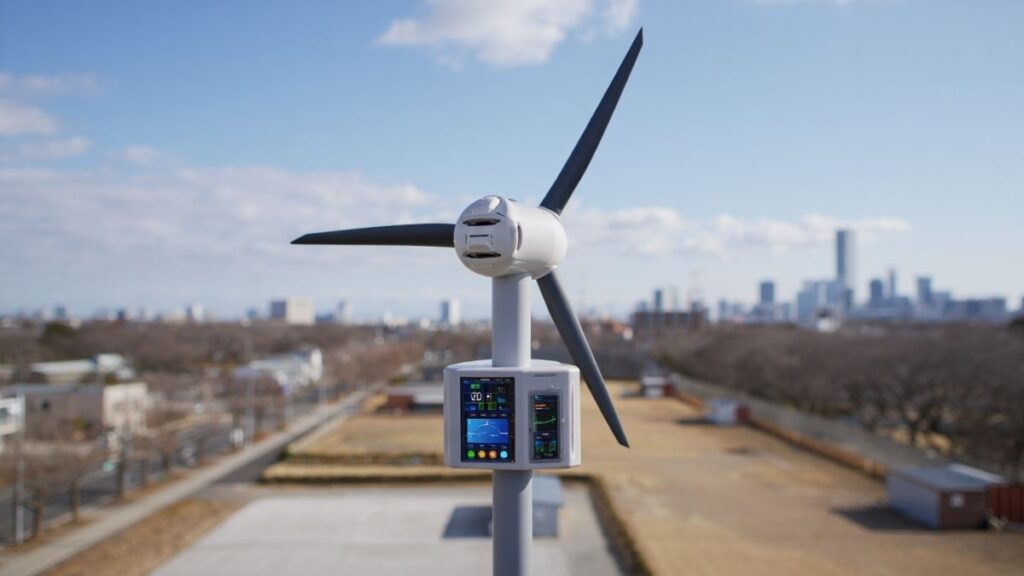
New designs include ultra-quiet blades, lightweight composite materials, and AI-powered monitoring systems. According to ongoing National Renewable Energy Laboratory research, turbine designers are now testing lighter blades and smarter control systems.
Some companies are introducing rooftop turbines shaped like cylinders for safer urban installation. These innovations target smaller American homes where solar alone may not be enough.
Hybrid types of wind turbines with solar panel systems continue expanding as technology improves. The U.S. is also increasing incentives for distributed wind, making it easier for households to combine wind and solar. For a deeper explanation of how turbines generate electricity, see this wind energy guide.
New Innovations
AI monitoring, noise-reducing blades, and micro-turbines for city rooftops.
Conclusion: Which Types of Wind Turbines Are Best for You?
Homeowners should review wind resource assessment guidelines before selecting a small turbine, especially in low-wind regions. The right system depends on your location, space, and wind speeds.
Horizontal wind turbines offer strong performance in rural areas, while vertical models fit better in cities or on rooftops. Homeowners with limited space may prefer mini or hybrid systems that combine both wind and solar.
Understanding the types of wind turbines helps you make a clear, confident choice. With rising energy prices and new incentives, 2026 is an excellent year to explore renewable options tailored to your environment and budget.
FAQs
Which type of wind turbine is most efficient?
Horizontal-axis turbines remain the most efficient due to their lift-based blade design and tall towers.
What type works best for homes?
Vertical turbines perform better in turbulent or low-wind suburban areas.
Are rooftop turbines practical?
They help supplement solar power but rarely power an entire home.
Can small turbines run a whole house?
Only in windy regions with larger, multi-kilowatt systems.

Welcome to Renewable Energy! I’m Adnan, Owner, Admin, and Author of this Website.