Quick Summary:
The benefits of biomass energy offer a versatile renewable solution, converting agricultural residues, forestry waste, and municipal solid waste into electricity, heat, and biofuels. Learn how biomass improves waste management, reduces greenhouse gases, and contributes to a sustainable energy landscape in 2026.
Introduction
The benefits of biomass energy play a crucial role in the transition toward cleaner, more sustainable power in the United States. By converting agricultural residues, forestry byproducts, and organic waste into electricity, heat, or biofuels, biomass provides reliable, renewable baseload power and supports bioenergy production while reducing landfill pressure. It also strengthens rural economies by creating jobs in feedstock collection and plant operations. Learn more about biomass renewable energy
This article examines the primary benefits of biomass energy, including waste management, carbon-neutral potential, diverse energy applications, and economic benefits, providing readers with a comprehensive, research-based, and trusted resource like the U.S. Energy Information Administration and Department of Energy to understanding of how biomass contributes to a cleaner, more resilient, and efficient energy future.
1. Biomass Energy Supports Renewable and Sustainable Power
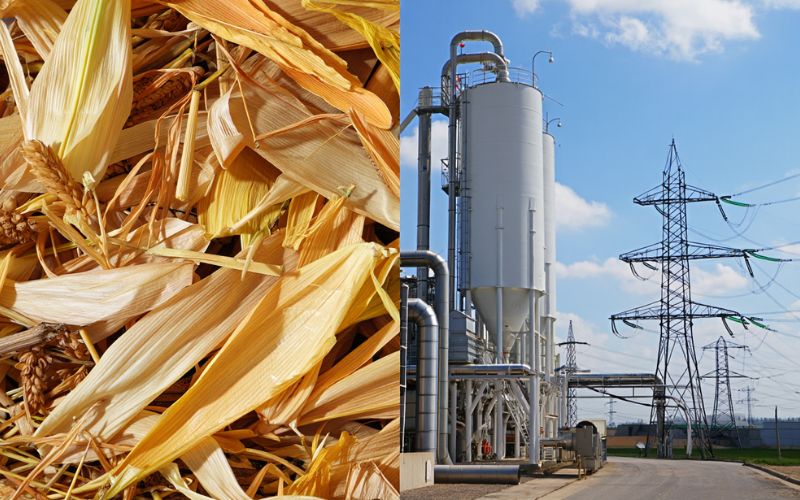
Biomass energy uses organic materials that regrow naturally, making it a steady and renewable baseload power option when paired with responsible sourcing. It provides more stability than intermittent sources like wind or solar, ensuring communities have dependable energy even during cloudy or calm conditions. This is why agencies such as the U.S. Department of Energy highlight biomass as a key part of a balanced clean-energy mix.
Because biomass fuels can be repeatedly replenished, the benefits of biomass energy also include long-term resource security. Agricultural residues, forestry byproducts, and dedicated energy crops help maintain a constant supply. With proper land management, these materials regenerate, allowing America to reduce its dependency on imported fuels while strengthening resilience against energy disruptions.
1.1 Biomass Uses Organic Waste Efficiently
Biomass systems convert waste into heat, fuel, and renewable electricity, preventing landfills from overfilling. This reduces methane emissions and turns a problem into a valuable energy source — a major sustainability win.
2. Biomass Helps Reduce Greenhouse Gas Emissions
One of the most important benefits of biomass energy is the potential to lower lifecycle carbon emissions. When managed responsibly, biomass releases approximately the same amount of CO₂ that plants previously absorbed, helping maintain a natural carbon balance. According to the EPA, strategic use of biomass reduces methane emissions from waste and offsets fossil fuel consumption.
Compared to traditional coal or oil, biomass fuels generally produce fewer pollutants, including sulfur dioxide and particulate matter. Cleaner combustion improves regional air quality and reduces the environmental burden on high-traffic industrial zones. These reductions make biomass an attractive option for communities trying to cut emissions without sacrificing reliable heat or power.
2.1 Lower Methane Emissions From Decomposing Waste
Landfills emit methane — a gas 28 times more potent than CO₂. Converting organic waste into energy stops methane from forming, significantly improving environmental outcomes.
3. Biomass Energy Strengthens Rural Economies
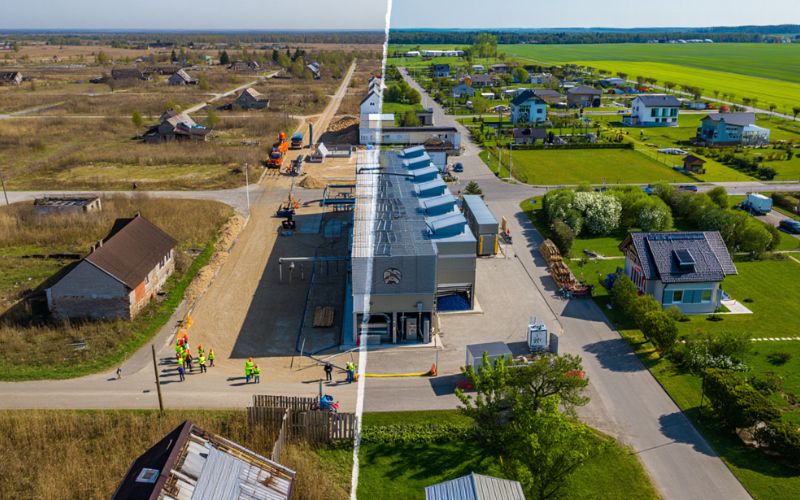
A major advantage of biomass is the economic boost it delivers to farming and forestry communities. The benefits of biomass energy include creating stable local jobs in harvesting, transportation, processing, and plant operations. According to the U.S. Department of Agriculture, bioenergy industries support thousands of rural jobs each year. To explore how new markets and technology will shape rural biomass income in the coming years, check our detailed guide on the future of biomass energy production.
Local biomass collection also opens new revenue streams for farmers who can sell crop residues or dedicated energy crops. These opportunities help stabilize incomes, especially in regions with limited access to large industries. Stronger local markets encourage long-term economic growth and reduce the rural-urban economic gap.
3.1 Supports Farm Revenue Through Energy Crop Production
Farmers can grow crops like switch grass and miscanthus that are sold directly to biomass plants, providing consistent income and diversifying agricultural production.
4. Biomass Provides Reliable Baseload Electricity
nlike solar and wind, biomass produces steady, 24/7 renewable baseload power that fits consistently into the national grid. This reliability makes it ideal for replacing aging coal plants without sacrificing stability. As noted by the National Renewable Energy Laboratory (NREL), biomass plants maintain predictable output and support flexible grid operations.
The benefits of biomass energy also include easy integration with existing utility infrastructure. Many facilities retrofit old coal systems, allowing utilities to transition to greener sources at lower costs. This bridging capability helps speed up the clean-energy shift while keeping electricity affordable for households and businesses.
4.1 Consistent Power in All Weather Conditions
Biomass plants operate regardless of sunlight or wind, supporting hospitals, industries, and communities that require uninterrupted energy.
5. Biomass Energy Reduces Waste and Landfill Pressure
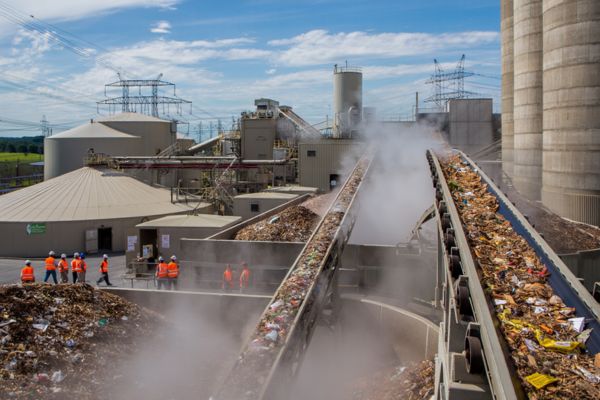
Biomass offers a powerful way to manage agricultural, industrial, and municipal waste that would otherwise end up in landfills. By converting residues into renewable electricity or biofuels, communities reduce landfill volume and prevent harmful emissions. The EPA’s waste-to-energy resources highlight biomass as a key strategy in sustainable waste systems.
Another major benefit of biomass energy is its versatility. Wood chips, crop residues, yard trimmings, manure, and food waste can all be processed into usable energy. This adaptability allows cities and rural areas to cut disposal costs while generating cleaner power, making biomass one of the most practical zero-waste solutions.
5.1 Converts Diverse Waste Streams into Energy
Biomass handles everything from forestry residues to municipal waste, allowing cities and farms to reduce landfill dependence and improve sustainability.
6. Biomass Offers Multiple Forms of Energy (Heat, Electricity, Fuels)
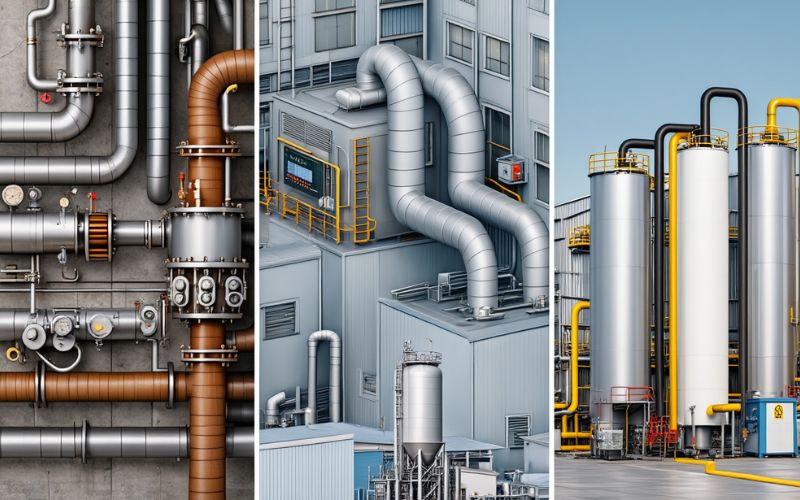
Biomass is not limited to electricity — it also provides bioheat, biofuels, and biogas, giving communities flexible energy options. This multi-use capability strengthens national energy diversity and reduces reliance on imported petroleum. According to Energy.gov, biofuels such as ethanol and biodiesel significantly cut emissions in transportation.
The diverse applications expand the benefits of biomass energy beyond power generation. Homes and businesses can use pellet stoves for heating, industries can fuel boilers, and transportation fleets can run on cleaner biofuels. With more sectors transitioning to renewable energy, biomass offers scalable solutions across many use cases.
6.1 Biofuels Help Reduce Transportation Emissions
Ethanol and biodiesel replace part of gasoline and diesel, cutting greenhouse gas emissions and improving urban air quality.
Conclusion
The key benefits of biomass energy include renewable power generation, waste reduction, rural job creation, lower greenhouse gas emissions, and diverse energy applications. With strong support from organizations like NREL, USDA, EPA, and EIA, biomass continues to play a vital role in America’s clean and sustainable energy future. When sourced responsibly, it provides a practical bridge between today’s needs and tomorrow’s low-carbon economy.
FAQs
Q1: How is biomass beneficial?
Biomass provides renewable energy, reduces waste, supports rural jobs, and can help lower greenhouse gas emissions.
Q2: What are the advantages of biomass energy work?
It generates reliable electricity, produces heat, enables biofuel production, and promotes circular economy practices.
Q3: Why is biomass energy useful?
Biomass turns organic waste into energy, reduces landfill pressure, and strengthens energy security.
Q4: What are the major benefits of biomass energy?
Key benefits include renewable power, waste management, carbon neutrality potential, local employment, and versatile energy applications.
Q5: What are 5 interesting facts about biomass?
It uses organic waste, supports bioenergy, contributes to carbon cycle balance, can produce biofuels, and provides base-load power.

Welcome to Renewable Energy! I’m Adnan, Owner, Admin, and Author of this Website.