Summary:
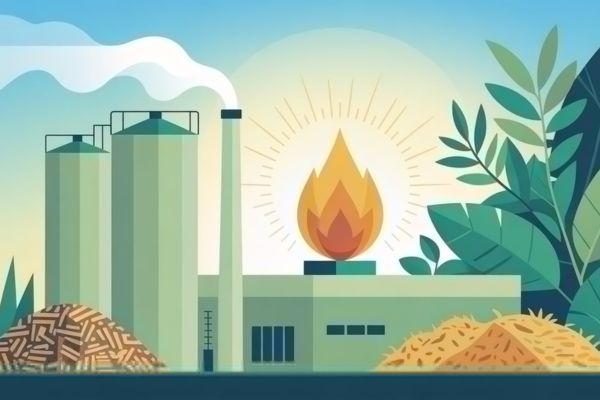
Biomass renewable energy turns food waste, plants, and agricultural residues into clean electricity, heat, and fuel. Explore how this sustainable solution works, its benefits, challenges, and real-world applications, making it a powerful option for reducing greenhouse gas emissions and supporting a circular economy.
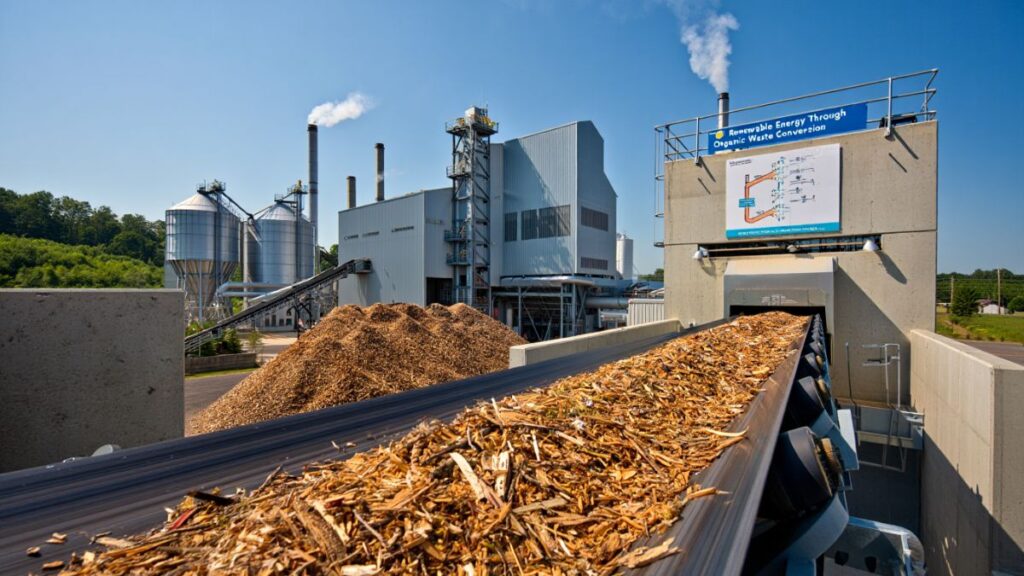
Biomass renewable energy is a sustainable solution that transforms organic waste, plants, and agricultural leftovers into electricity, heat, or fuel. By converting food waste energy and yard waste biomass into power it helps reduce greenhouse gas emissions from food waste, lowers landfill dependence, and supports a circular economy waste diversion.
This approach uses proven technologies like combustion biomass electricity, anaerobic digestion, gasification, and pyrolysis to generate clean energy efficiently. In this beginner’s guide, readers will learn how biomass energy works, the types of feedstocks used, its environmental and economic benefits, real-world applications, challenges, and how it compares to other renewable sources in the United States.
What Is Biomass Renewable Energy?
Biomass renewable energy comes from organic materials such as plants, food scraps, and agricultural leftovers. These materials can be used to make electricity, heat, or fuels. Because biomass comes from natural sources that can regrow or be continually produced, it supports a circular economy and reduces reliance on fossil fuels.
One important benefit is its ability to cut methane emissions. Food loss and waste generate 8–10% of global greenhouse gases, mostly from landfills. Turning these materials into energy instead helps reduce landfill methane, supports waste diversion, and provides clean, local power. This makes biomass an important part of today’s renewable energy mix in the U.S.
Types of Biomass Feedstocks (What Fuels Bioenergy?)
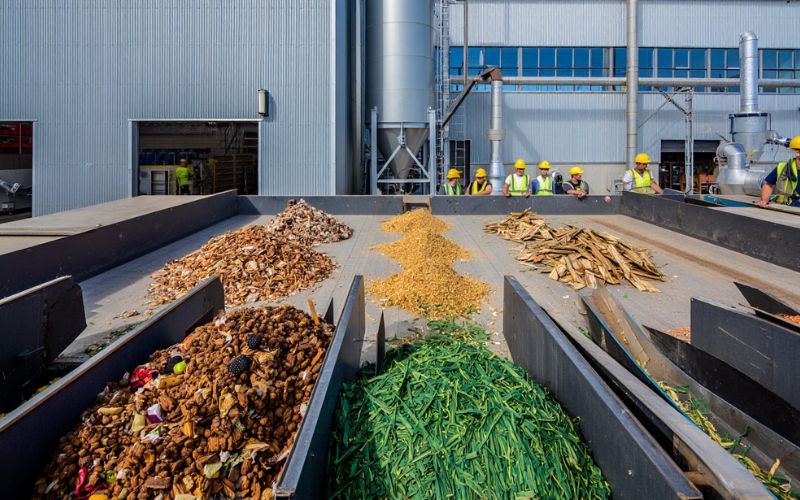
Biomass renewable energy systems can run on a wide mix of materials, but the most common types fall into three categories: food and beverage waste, agricultural residues, and yard or municipal organics. Each has different energy density, moisture content, and processing requirements, which influence how efficiently it can be converted into energy.
Using diverse feedstocks helps keep energy production steady year-round. Feedstock flexibility also reduces disposal costs, especially for businesses paying high tipping fees. Below are the most important categories used across the U.S. For a detailed guide on the different types of biomass energy, explore our comprehensive article Types of Biomass Energy Explained: Solid, Liquid & Gas Biofuels in the U.S.
Food & Beverage Waste
Food manufacturers, restaurants, breweries, and distribution centers generate large volumes of organic waste. These materials work extremely well in anaerobic digestion biogas systems because of their high moisture and nutrient content. Converting this waste into energy helps cut emissions, lower disposal costs, and support the transition to waste-to-energy solutions.
Agricultural & Forestry Residues
Farm leftovers like rice straw, wheat straw, corn stover, and orchard waste offer abundant material for energy systems. These residues often serve as feedstock for bioenergy, especially in regions with strong agricultural economies. Many facilities also use forestry waste or Grade C waste wood, keeping low-quality wood out of landfills.
Yard & Municipal Organic Waste
Leaves, grass clippings, and food scraps collected through municipal composting programs form another valuable feedstock source. Turning municipal organic waste into energy reduces landfill needs and helps cities meet sustainability goals, especially in states with strong organics recycling laws.
How Biomass Renewable Energy Is Converted (Core Technologies Explained Simply)
Biomass can be transformed into useful energy through several well-developed conversion methods. The right method depends on the feedstock type, moisture content, and intended end use — such as electricity, renewable natural gas (RNG), or biofuels.
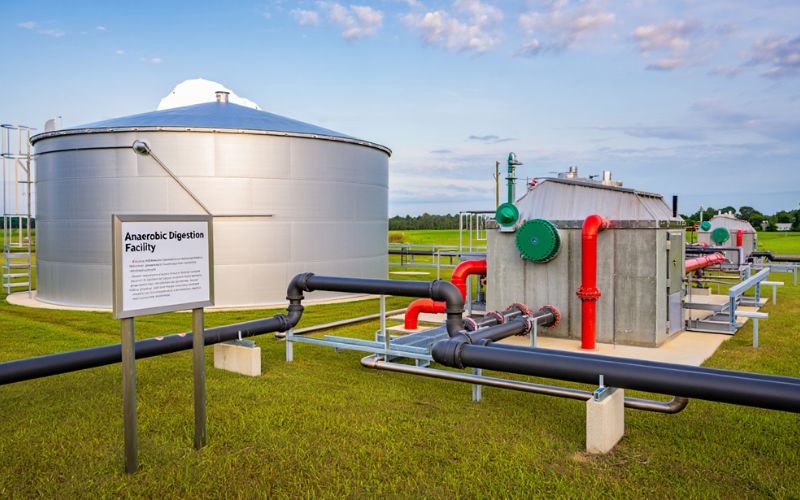
Below are the four primary conversion pathways used in the United States.
Combustion (Burning Biomass for Heat & Electricity)
Combustion is the simplest and most widely used method. Biomass is burned in a boiler to create steam. The steam turns a turbine, which powers a generator and produces electricity. This combustion biomass electricity process follows the classic flow: boiler → steam → turbine → generator.
However, combustion requires emissions controls to limit air pollutants. It also works best with dry materials, since wet feedstock requires more energy to burn.
Anaerobic Digestion (Producing Biogas From Waste)
Anaerobic digestion breaks down organic waste without oxygen inside a sealed reactor. Microbial communities inside the digester convert food waste, manure, and wastewater into biogas, which contains methane and carbon dioxide. The FAO notes that purified biogas becomes biomethane, a cleaner alternative to natural gas.
This process also produces digestate, a nutrient-rich fertilizer used to improve soil health. Community-scale digesters are growing in popularity across rural towns and farms.
Gasification (Making Syngas With Limited Oxygen)
Gasification heats biomass to high temperatures with very little oxygen. Instead of burning, the material breaks down into syngas — a mixture of hydrogen, carbon monoxide, and methane. Syngas can be used for electricity, industrial heat, or upgraded into fuels.
Gasification works well for harder-to-process materials, including woody waste and mixed residues.
Pyrolysis (Turning Biomass Into Bio-Oil & Biochar)
Pyrolysis uses high heat without oxygen to produce bio-oil, syngas, and biochar. Biochar helps sequester carbon in soil, while bio-oil can be upgraded into advanced biofuels. Pyrolysis plays an important role in biorefinery systems, where multiple fuel products are produced from one feedstock stream.
Real-World Uses & Case Studies (Who Uses Biomass and How?)
Biomass renewable energy is used across several industries—from agriculture and food manufacturing to utilities and universities. Many organizations adopt biomass to reduce waste, lower energy bills, or meet sustainability goals.
One standout project example is Linden Renewable Energy, which converts organic waste into renewable natural gas and fertilizer products. By sourcing waste from multiple suppliers, the facility keeps operations steady and diverts thousands of tons of material from landfills.
Another example is breweries converting brewers’ spent grain into energy, reducing fuel costs and supporting the circular economy waste diversion model.
Benefits of Biomass Renewable Energy (Clear, Practical Advantages)
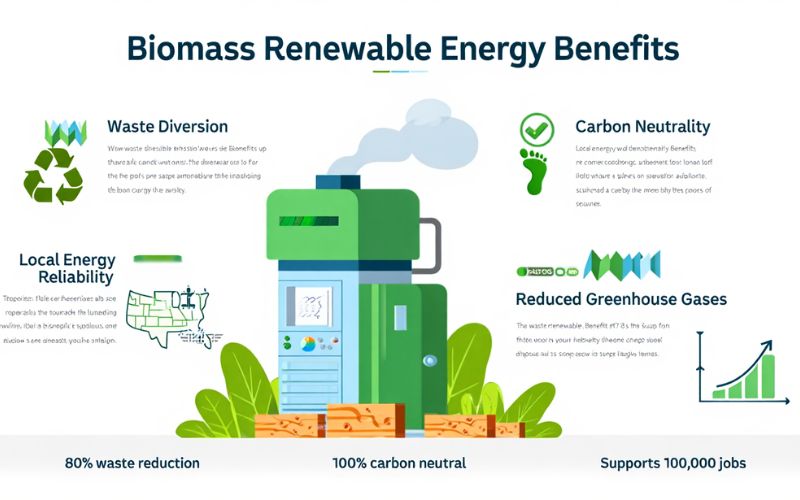
Biomass renewable energy offers several advantages beyond energy production. It helps stabilize local power supplies, reduces greenhouse gases, and provides a reliable outlet for organic waste. Because biomass is locally sourced, it supports rural economies and strengthens community resilience.
Another major benefit is landfill methane reduction. Since methane is far more potent than carbon dioxide, shifting food and organic waste away from landfills delivers immediate climate benefits. Businesses also gain financial advantages through reduced disposal costs and sustainability incentives.
Environmental, Sustainability & Social Concerns (Real Risks, Explained)
Although biomass renewable energy offers environmental benefits, it also comes with concerns. Poor feedstock sourcing can lead to overharvesting or competition with food crops. Additionally, some biomass lifecycle emissions can vary, depending on transportation distances and processing efficiency.
Some regions worry about air pollution when combustion is not well controlled. Modern facilities require strong biomass air pollution controls to meet U.S. environmental standards. Communities also watch for land-use conflicts, especially when energy crops compete with food production.
In addition to biomass energy, wind energy provides a sustainable electricity source for homes and communities.
Costs, Efficiency & Practical Economics (What It Really Costs)
The cost of biomass renewable energy depends on feedstock availability, technology type, and project scale. Capital expenses for digesters or gasification systems can be high, and operating expenditures can shift based on transportation conditions and market prices. However, businesses often save significant money on waste disposal fees.
Biomass also produces multiple revenue streams: electricity, heat, biofuels, RNG, fertilizer, and sometimes carbon credits. Many U.S. states offer grants, tax incentives, or energy credits to support project development.
Policy, Standards & Certification (How Governments Shape Biomass)
Federal and state policies influence how fast biomass grows. Programs like Renewable Portfolio Standards, tax credits, and clean energy grants help companies adopt biomass systems. Some states, like California, support organic recycling and RNG projects through additional incentives.
Certification programs, such as sustainable biomass sourcing standards, ensure materials are produced responsibly. Environmental permitting covers emissions, water use, and waste handling, helping facilities follow safe and transparent practices.
How Biomass Compares to Other Renewables
Compared to solar, Geothermal, and wind, biomass has one major advantage: it uses waste that would otherwise produce methane. It also provides stable, continuous energy, unlike intermittent wind and sunlight. However, biomass comes with land-use and emissions considerations that solar and wind do not. If you’re interested in a deeper breakdown, you can also explore our complete geothermal energy guide, where we explain how geothermal systems provide consistent, earth-powered heating and electricity.
Solar, Geothermal, and wind produce clean electricity, but do not address food waste, energy, or landfill challenges. A balanced approach often combines multiple renewables to achieve the strongest results. If you want to learn more, explore our detailed guide on solar energy, where we explain how solar power supports and benefits modern homes.
The Future of Biomass Renewable Energy: Innovations & Where It’s Headed
The future of biomass includes smarter digesters, improved bio-oil refining, and the growth of BECCS (Bioenergy with Carbon Capture and Storage). BECCS aims to capture emissions during energy production, potentially making the process carbon-negative.
Innovations in community-scale anaerobic digester systems allow small towns and farms to generate power locally. Advances in biorefineries will also create new fuels, chemicals, and carbon storage opportunities as demand for cleaner energy continues to rise.
Practical Guide: How to Evaluate a Biomass Project or Plant
Evaluating a biomass project requires reviewing feedstock availability, technology options, location, environmental impacts, and financial performance. Start by confirming a stable supply of organic waste, and compare the moisture and energy content of your materials.
Next, assess logistics, transportation needs, and regulatory requirements. Run a financial analysis that includes CAPEX, OPEX, revenues from energy and by-products, and potential incentives.
Conclusion
Biomass renewable energy offers a practical way to turn everyday waste into clean, reliable power. It helps businesses lower disposal costs, reduce methane emissions, and support long-term sustainability goals. With the right technology and responsible sourcing, biomass can play a major role in America’s clean energy future.
If your business wants to cut waste and generate renewable energy, expert guidance can help you get started. Reach out today to explore biomass solutions tailored to your operations.
FAQs About Biomass Renewable Energy
Q1: Is biomass really a renewable energy source?
Yes, when sourced sustainably, biomass is renewable because plants and organic waste can regrow or be replenished.
Q2: What is the biggest problem with biomass?
Unsustainable sourcing and emissions from combustion are the main challenges of biomass energy.
Q3: Why is biomass renewable energy not widely used?
High costs, infrastructure requirements, and limited feedstock availability restrict its widespread adoption.
Q4: What are the 5 advantages and 5 disadvantages of biomass?
Advantages:
renewable,
reduces waste,
lowers emissions,
supports local energy,
carbon-neutral potential.
Disadvantages:
air pollution,
land-use competition,
lower efficiency,
high capital costs,
feedstock variability.
Q5: What countries use biomass energy the most?
The United States, Brazil, China, Germany, and India are top users of biomass energy.
Q6: Is biomass better than fossil fuels?
Yes, biomass produces fewer net greenhouse gases and provides practical waste-to-energy solutions.

Welcome to Renewable Energy! I’m Adnan, Owner, Admin, and Author of this Website.